
Shrubs
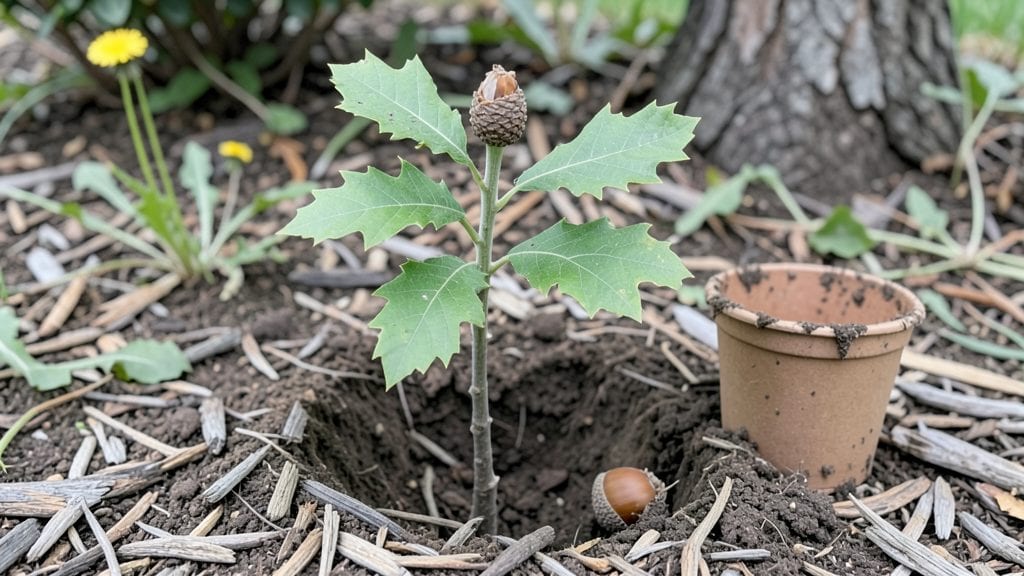
Planting red oak acorns might seem like a gamble, but with the right prep, you can grow a 20-foot tree from a single nut you found on a fall walk. ✨ The trick isn’t just burying acorns—it’s mimicking nature’s timing with cold stratification and choosing the right soil mix.
I’ve watched dozens of acorns sprout after this process, and the strongest saplings come from those first few weeks of careful handling.
You’ll need fresh acorns (no cracks or mold), a mix of sand and peat moss for drainage, and a cold spot like a refrigerator or buried outdoors. Skip the fancy tools—just a small pot, some patience, and a sunny window or shaded garden bed.
Most people overlook the stratification step, which is where the real magic happens for breaking dormancy and boosting germination rates.
Once those first green shoots appear—usually in spring—you’ll be nurturing a tree that could outlive you. The roots develop slowly at first, so keep the soil moist but never soggy, and move seedlings outdoors gradually to harden them.
By year two, you’ll have a sturdy sapling ready to plant permanently in well-drained soil with full sun.
This method works best in zones 4-9, where red oaks thrive, but even in cooler climates, the stratification trick improves your odds. The payoff? A future shade tree, wildlife magnet, and legacy garden feature—all starting from what most people would toss in the compost.
📚 In This Guide
- What you need
- Instructions
- Tips and common mistakes
- Wrapping up and next steps
What you need
- ● Fresh red oak acorns: 10–20 healthy, mature acorns (ensure they’re plump, free of cracks, and from a Quercus rubra source).
- ● Well-draining potting mix: 1–2 gallons of a 50/50 blend of peat moss or coconut coir and perlite/sand (sterilized to prevent mold).
- ● Small pots or containers: 4–6 4-inch diameter pots with drainage holes (or a seed tray with individual cells).
- ● Watering can or spray bottle: With a fine mist setting for gentle hydration.
- ● Plastic wrap or humidity dome: To create a mini greenhouse effect.
- ○ Scarification tool (optional but helpful): Sandpaper (medium-grit, ~100–120)
- ● OR a knife for carefully nicking the acorn shell (if using the stratification method).
- ● Refrigerator or cold stratification setup: A sealed container with a damp paper towel (for 60–90 days at 35–40°F).
- ● Growth hormone gel: (e.g., Rootone) to boost root development.
- ● Heating mat: For pots during germination (keeps soil at 65–75°F).
- ● pH test kit: To ensure soil pH is 5.0–7.0 (ideal for oak seedlings).
- ● Label markers: To track planting dates and varieties.
- ● Outdoor nursery bed: Prepared with loose, sandy soil for transplanting later.
Step-by-step instructions for planting red oak acorns
Here's how to grow sturdy red oak saplings from acorns—no fancy equipment needed.
🌱 Step 1: Collect and Prepare Healthy Acorns
Gather acorns from mature red oaks in late fall, when they've fallen naturally. Choose plump, round acorns with intact caps—these hold the most energy for germination. Avoid cracked or worm-infested ones. Store them in a cool, dry place until you're ready to plant, ideally within a few weeks.
Before planting, soak the acorns in lukewarm water for 24 hours. This softens the hard shell and kickstarts the germination process. I like to place them in a mesh bag or between damp paper towels to keep them contained. Check occasionally—they're ready when the shell feels slightly less firm to the touch.
🌱 Step 2: Plant Acorns at the Right Depth and Time
Plant the acorns in late fall or early winter, mimicking their natural cycle. Dig small holes about 1 inch deep in well-draining soil, spacing them 6 inches apart. Place one acorn per hole, cap-side up, and cover lightly with soil. Don't bury them too deeply—they need light to trigger germination.
Water gently after planting to settle the soil, but avoid overwatering. The goal is moist but not soggy soil. If planting in containers, use a mix of 50% potting soil and 50% perlite to improve drainage. Keep the containers in a sheltered spot outdoors or in a cool garage until spring.
☀️ Step 3: Provide Moisture and Light for Germination
Once spring arrives, move the containers or seedlings to a spot with partial shade. Red oak seedlings need bright light but can scorch in direct sun until established. Water once a week or when the top inch of soil feels dry—young roots are delicate and prone to drying out.
Germination can take 4-6 weeks, so be patient. You'll know it's worked when you see the first tiny leaves, called cotyledons, pushing through the soil. At this stage, the seedlings are fragile—avoid disturbing them. If you notice yellowing leaves, it's a sign of overwatering or poor drainage.
🌿 Step 4: Transplant and Care for Young Saplings
When seedlings reach 4-6 inches tall, usually in their first spring, it's time to transplant them to individual pots or a nursery bed. Use a small trowel to carefully lift them, keeping the root ball intact. Plant them in a sunny spot with well-draining soil, spacing them 12 inches apart.
Water deeply after transplanting to help the roots settle. Red oak saplings grow slowly, so focus on keeping the soil consistently moist but not waterlogged. Fertilizer isn't necessary in the first year—too much can harm young roots. Instead, mulch around the base with 1-2 inches of organic mulch to retain moisture and suppress weeds.
⏰ Step 5: Monitor Growth and Protect Young Trees
Over the next few years, your red oak saplings will grow gradually. Watch for signs of stress, like wilting or discolored leaves, which can signal overwatering, underwatering, or pests. Deer and rabbits love young oaks, so consider protecting them with a wire cage or repellent if they're a threat in your area.
By the time your saplings are 3-4 feet tall, they'll be ready to plant in their permanent location. Choose a spot with full sun and space them 20-30 feet apart for mature growth. With patience and care, you'll have a thriving red oak forest in no time!
Tips & tricks for planting red oak acorns
Here's what I've learned after watching dozens of acorns grow into strong saplings—these tricks make all the difference between success and disappointment.
The Soaking Secret: That 24-hour lukewarm water soak is non-negotiable for red oak acorns. I've tried shorter soaks, and germination rates drop dramatically. Place the acorns in a mesh bag submerged in water to prevent them from floating away—this keeps them contained while allowing water circulation. After 24 hours, gently squeeze the acorns to check readiness: they should feel slightly softer but still firm to the touch.
Planting Depth Matters: The 1-inch depth recommendation isn't arbitrary—it's the sweet spot where acorns get enough light to germinate but stay protected from drying out. If you plant too shallow, they'll dry out; too deep, and they may rot before sprouting. For container growing, use a mix of 50% potting soil and 50% perlite to mimic natural drainage conditions perfectly.
Germination Timing: The 4-6 week germination window can feel like forever, but consistency is key. Place your containers in a spot with partial shade during this critical period—direct sun can scorch the delicate sprouts while they're still establishing roots. I've found that checking soil moisture with your finger (top inch should feel slightly damp) is more reliable than sticking to a rigid watering schedule.
Transplanting Wisdom: When your seedlings reach that 4-6 inch mark in their first spring, don't rush the transplant. The roots will be fragile but surprisingly deep for their size. Use a small trowel to carefully lift them, keeping that intact root ball—this minimizes shock. After transplanting, water deeply but gently to avoid dislodging the soil around the delicate roots.
Pro Tips for Planting Red Oak Acorns
- Here's what I've learned after watching dozens of acorns grow into strong saplings—these tricks make all the difference between success and disappointment.
- The Soaking Secret: That 24-hour lukewarm water soak is non-negotiable for red oak acorns.
- Planting Depth Matters: The 1-inch depth recommendation isn't arbitrary—it's the sweet spot where acorns get enough light to germinate but stay protected from drying out.
Frequently asked questions
Got questions about planting red oak acorns?
You’re not alone! Whether you’re a first-time gardener or a seasoned landscaper, these common queries can help you avoid pitfalls and boost your success rate. Let’s dive in!
When is the best time to plant red oak acorns?
Plant them as soon as they fall in late fall (October–November) or stratify them in a moist medium at 40°F (4°C) for 60–90 days before spring planting. Avoid planting bare acorns in summer—they’ll dry out and fail to germinate.
Do I need to soak acorns before planting?
No soaking is required, but a quick 24-hour cold water soak can soften the shell slightly. Focus instead on stratification (mimicking winter) or direct fall planting. Over-soaking risks mold—keep it simple!
How deep should I bury red oak acorns?
Plant them 2–3 inches deep in well-draining soil. Deeper burials delay germination, while shallower ones risk drying out. Use a small trowel and mark the spot with a stake if needed—saplings take 1–2 years to emerge!
Will squirrels eat my acorns before they sprout?
Bury acorns in wire mesh cages (like chicken wire) or plant them in hard-to-dig spots (e.g., under dense mulch). Alternatively, sow extra acorns—nature’s loss is your gain with volume!
What if my acorns don’t germinate after a year?
Patience is key! Red oaks can take 2–3 years to sprout. Check for moisture, depth, and stratification issues. If soil is too dry, water gently but avoid over-saturating. Test a few acorns in a controlled environment to rule out viability.
Bonus Tip:
Pro Tip:
Label your planting spots! Red oak saplings are slow-growing, and marking them now saves future confusion. Use biodegradable flags or a simple garden map.
Wrapping up and next steps
Planting red oak acorns is a rewarding way to nurture strong, native trees that support local ecosystems—and now you’ve got the germination secrets to make it happen! 🌱 From selecting the right acorns to providing the perfect growing conditions, every step sets your saplings up for success.
Whether you’re a beginner or a seasoned gardener, your patience and care will pay off with towering oaks in years to come.
Ready to take the next step? Start small—plant a few acorns this fall and observe their progress. Share your journey with fellow gardeners, or research local conservation programs to learn how your efforts contribute to a greener future. Happy planting! 🌳✨