
Trees
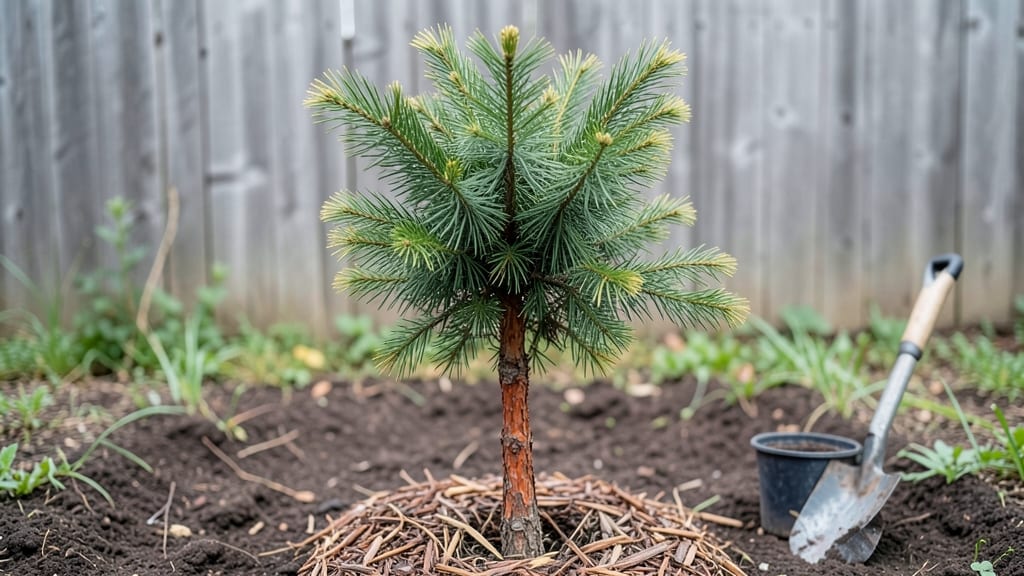
Planting redwood trees starts with a seedling that could one day reach 300 feet—if you give it the right conditions. 🌿 I’ve watched my first redwood sprout into a towering presence, and the key isn’t just patience, but knowing exactly where, when, and how to plant it.
These coastal giants thrive in cool, moist climates with rich soil, but even inland gardeners can grow them with the right adjustments.
The best spot mimics their natural habitat: partial shade, protection from harsh winds, and soil that drains well but holds moisture. Coastal redwoods love acidic, loamy soil, but if yours is heavier clay or alkaline, amending with compost and pine needles helps.
Space seedlings 20-30 feet apart—they’ll need room to stretch their roots deep and wide over decades.
Once planted, water deeply every 2-3 days for the first month, then taper to weekly soakings as roots establish. A thick layer of mulch keeps moisture in and weeds out, while shielding young trunks from temperature swings.
Within a year, you’ll see new growth—proof your redwood is settling in for a lifetime of skyward ambition.
Long-term care means minimal intervention: prune only to shape or remove dead branches, and avoid fertilizers that disrupt their natural slow-and-steady growth. With the right start, your redwood will reward you with shockingly lush foliage and a living legacy that outlasts most gardens. Here’s how to make it happen.
📚 In This Guide
- What you need
- Instructions
- Tips and common mistakes
- Wrapping up and next steps
What you need
- ● Redwood seedlings or seeds: Choose Sequoia sempervirens (coast redwood) or Sequoiadendron giganteum (giant sequoia). Seedlings (3–5 ft tall) are easier to transplant than seeds.
- ● High-quality potting soil: 5–10 gallons, well-draining, and rich in organic matter (e.g., a mix of peat moss, perlite, and compost).
- ● Grow bags or containers: 3–5 gallons each, with drainage holes (or a nursery bed if planting directly outdoors).
- ● Shovel or trowel: For digging planting holes (6–12 inches deep, depending on seedling size).
- ○ Mulch (optional but recommended): 2–3 inches of wood chips or straw to retain moisture and suppress weeds.
- ● Watering can or hose with a gentle spray nozzle: Redwoods love moisture but hate soggy roots!
- ● Pruning shears: For trimming dead or overgrown branches as they mature.
- ○ Stakes and ties (optional): If planting in windy areas, use 4–6 ft stakes to support young seedlings.
- ● Climate: Redwoods thrive in USDA Zones 5–9, with cool, humid summers and mild winters. Coastal areas with fog are ideal!
- ● Sunlight: Full sun to partial shade (6+ hours of sunlight daily for seedlings).
- ● Water access: A consistent water source (redwoods need 1–2 inches of water weekly, more during droughts).
- ● Soil pH: Slightly acidic to neutral (6.0–7.0). Test your soil or amend with sulfur if needed.
- ● Space: Mature redwoods need 30–60 ft of clearance (plant 10–20 ft apart for seedlings).
- ● Patience: Redwoods grow 2–3 ft per year—plan for decades of care!
- ● 🌡️ Start indoors: Sow seeds in spring (6–8 weeks before last frost) or buy established seedlings from a reputable nursery.
- ● ✨ Layer mulch: Apply mulch after watering to lock in moisture and protect roots from temperature swings.
- ● 🎯 Monitor for pests: Watch for aphids or spider mites—spray with neem oil if detected.
Step-by-Step instructions for planting redwood tree seedlings
Here's the method I've used to establish healthy redwoods—coastal giants that thrive with patience and the right approach.
🌱 Step 1: Choose the Right Location and Prepare the Soil
Redwoods need 6-8 hours of sunlight daily and well-draining soil with a pH between 5.5 and 7.5. I always test the soil first—redwoods hate soggy roots, so if your yard holds water, amend the area with 2-3 inches of organic compost and a mix of sand or perlite to improve drainage. Dig a hole twice as wide as the root ball but only as deep.
Loosen the sides of the hole with a shovel to encourage root spread. Redwoods have shallow but expansive root systems, so avoid compacting the soil around them. If planting in clay-heavy soil, work in 1-2 inches of coarse sand to help roots establish faster. The goal is to mimic their natural coastal habitat where water drains quickly but nutrients remain available.
🪴 Step 2: Handle the Seedling with Care and Plant Correctly
Remove the seedling from its container and gently loosen the roots if they're circling or compacted. Hold the root ball firmly but avoid squeezing—redwoods are delicate when young. Place the seedling in the hole so the top of the root ball sits 1-2 inches above ground level. This prevents stem rot and allows for settling over time.
Backfill the hole with the native soil you removed, tamping lightly every 2 inches to eliminate air pockets. Water deeply to settle the soil around the roots, then add a 2-inch layer of mulch (like wood chips) around the base, keeping it 6 inches away from the trunk. Mulch helps retain moisture and regulates soil temperature, which redwoods appreciate in their early years.
☀️ Step 3: Water Deeply and Establish a Routine
Water the seedling immediately after planting with 5 gallons of water, enough to soak the root zone completely. Redwoods need consistent moisture but hate "wet feet," so water again when the top 2 inches of soil feel dry to the touch. In the first year, I water 2-3 times per week during dry spells, adjusting for rain. Overwatering is the fastest way to kill a young redwood.
After the first month, reduce watering to once a week unless the weather is extremely hot or dry. You'll know the seedling is thriving when new growth appears in 4-6 weeks. Avoid fertilizing during the first year—redwoods establish roots slowly, and extra nutrients can stress them. Instead, focus on keeping the soil moist and shaded from intense afternoon sun.
✂️ Step 4: Protect and Prune for Healthy Growth
Redwoods grow best with minimal pruning in their early years. Remove only dead, diseased, or crossing branches with clean, sharp pruners. I prune in late winter or early spring before new growth begins. Never prune more than 25% of the foliage at once, as this can shock the tree and slow its development.
Protect young seedlings from strong winds, which can desiccate their tender needles. If your area gets frequent gusts, stake the tree temporarily with 2-3 supports tied loosely to the trunk. Redwoods are resilient but need time to strengthen their stems. After 2-3 years, the trunk will be sturdy enough to stand alone. Watch for signs of stress—yellowing needles or stunted growth—and adjust water or shade as needed.
⏰ Step 5: Monitor and Adjust for Long-Term Success
Check the soil moisture monthly after the first year. Mature redwoods tolerate drought better, but young trees still need regular watering. If the soil stays bone-dry between waterings, increase frequency slightly. Redwoods grow 2-3 feet per year under ideal conditions, so measure height annually to track progress.
After 3-5 years, you can fertilize lightly with a balanced, slow-release fertilizer in early spring. Redwoods grow best in rich, loamy soil, so add 1-2 inches of compost annually around the drip line (the edge of the tree's canopy). This mimics the nutrient-rich forest floors where redwoods naturally thrive. With patience and care, your coastal giant will reach for the skies.
Tips & tricks for perfect redwood tree planting
Planting redwoods is all about patience and precision—these tips will help you avoid common pitfalls and give your coastal giant the best start possible.
Soil Preparation is Everything: In Step 1, when you're amending the soil with 2-3 inches of compost and sand or perlite, take an extra minute to mix it thoroughly with the native soil. Redwoods hate soggy conditions, so if your yard has heavy clay, work in an additional 1-2 inches of coarse sand to create that perfect well-draining environment. Think of it like building a coastal habitat in your backyard—water should drain like the tide, not pool like a swamp.
Root Ball Placement Matters: During Step 2, when positioning your seedling so the root ball sits 1-2 inches above ground level, resist the urge to bury it deeper. This elevation prevents stem rot while allowing room for soil settling. If you plant too deep, the roots will suffocate and the tree may never establish properly. I've seen this mistake cost people their first redwood—don't make it!
Watering Wisdom: The 5 gallons of water you use immediately after planting should soak the entire root zone, but don't drown it. In Step 3, after that initial watering, check soil moisture by sticking your finger 2 inches deep—that's your guide for when to water again. Overwatering is the silent killer of young redwoods, so let the topsoil dry slightly between waterings, especially in the first year when roots are still shallow.
Mulch Like a Pro: When you add that 2-inch layer of mulch in Step 2, keep it 6 inches away from the trunk to prevent rot. I like to use wood chips because they break down slowly, adding nutrients as they decompose. This mimics the natural forest floor where redwoods thrive. Just remember: mulch should protect the roots, not smother the trunk.
Pro Tips for Planting Redwood Trees
- Planting redwoods is all about patience and precision—these tips will help you avoid common pitfalls and give your coastal giant the best start possible.
- Soil Preparation is Everything: In Step 1, when you're amending the soil with 2-3 inches of compost and sand or perlite, take an extra minute to mix it thoroughly with the native soil.
- Root Ball Placement Matters: During Step 2, when positioning your seedling so the root ball sits 1-2 inches above ground level, resist the urge to bury it deeper.
Frequently asked questions
Got questions about planting redwood trees?
You’re not alone—these majestic giants require thoughtful care. Here are answers to the most common queries to help you grow your own coastal sentinels with confidence!
How long does it take for redwood trees to grow to maturity?
Redwoods are slow but steady! Coastal redwoods (Sequoia sempervirens) may take 200–500 years to reach their full height (300+ feet). Dwarf varieties like Sequoia sempervirens ‘Pendula’ grow faster (1–2 feet per year) but stay smaller. Patience is key—think generations, not decades!
Can I plant redwood trees in hot or dry climates?
Redwoods love humidity—they thrive in coastal foggy climates (USDA Zones 7–9) with 60+ inches of annual rainfall. In drier areas, supplement with deep watering 2–3 times weekly during the first year. Avoid planting in full sun without shade or mulch; they prefer partial shade and moist soil.
What’s the best time of year to plant redwood seedlings?
Plant bare-root seedlings in late fall or early spring (October–March) when soil is cool and moist. Container-grown redwoods can be planted year-round, but avoid extreme heat or frost. Young trees need 1–2 years to establish roots, so timing matters!
Why is my redwood seedling turning brown or dropping needles?
Brown needles or leaf drop often signal overwatering, underwatering, or root rot. Check soil moisture—redwoods hate soggy roots but need consistent dampness. Ensure well-draining soil and avoid compacted areas. If pests (like spider mites) are the culprit, use neem oil or insecticidal soap.
Are there smaller redwood varieties for home gardens?
Yes! If space is limited, consider:
- Dwarf Coast Redwood (‘Pendula’): Grows 10–15 ft tall, great for containers.
- Golden Dawn Redwood: Compact (15–20 ft), with golden foliage.
- Pyramidal Redwood: Narrow, columnar shape (20–30 ft).
Wrapping up and next steps
Planting redwood trees is a rewarding journey that connects you to nature’s grandeur—literally! 🌲 From nurturing seedlings to witnessing towering giants rise, every step is a testament to patience and care. These majestic trees don’t just beautify landscapes; they also combat climate change and preserve biodiversity.
Ready to take the next step? Start small: research local nurseries for seedlings, join community reforestation efforts, or even plant one in your backyard. Whether you’re a seasoned gardener or a curious beginner, your redwood tree will grow into a legacy for generations to come. Let’s grow together!