
Pruning
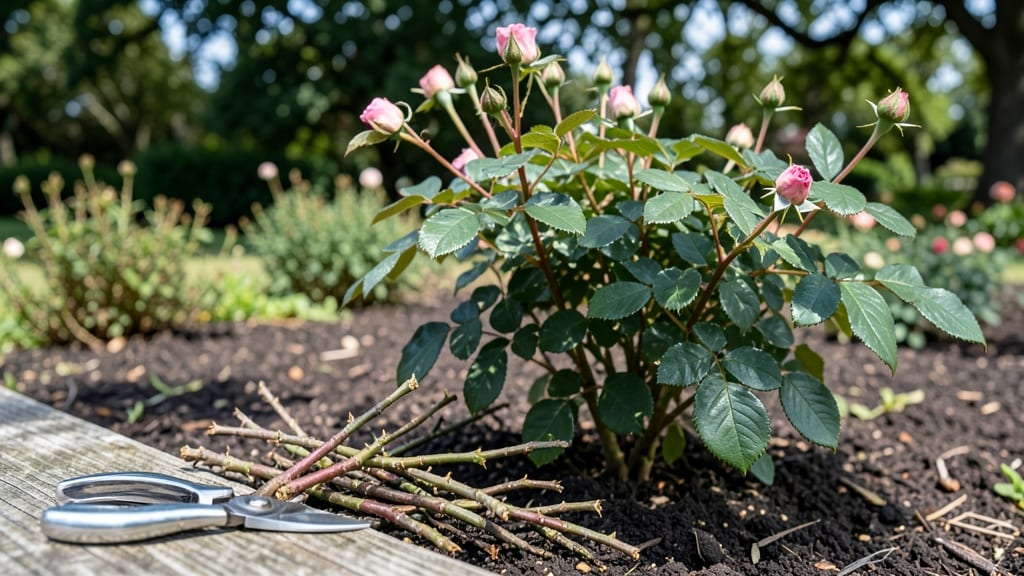
Pruning plants meaning involves cutting specific parts of a plant to enhance its overall health, encourage stronger growth patterns, and maximize fruit or flower yields by optimizing energy distribution.
When you prune, you're essentially giving your plants a strategic haircut that triggers natural growth responses. 🌿 The right cuts can stimulate the production of new shoots, improve air circulation (reducing disease risk), and even extend the lifespan of older plants.
For example, fruit trees often produce larger, higher-quality harvests after proper pruning because the plant focuses its energy on fewer, healthier branches. The key is balance—too little pruning leaves plants overcrowded, while overdoing it can stress the plant and stunt growth.
Think of pruning like editing a story: you remove the unnecessary parts to make the whole stronger. In gardening, this means trimming back dead or diseased branches first, then shaping the plant for better form and function.
The timing matters too—spring and early summer are ideal for most plants, but evergreens and fruit trees often need different approaches. I always recommend starting with just 10-20% of the plant's foliage to avoid shocking it, then reassessing after a few weeks.
💡 In This Article
- How Pruning Affects Plant Growth Mechanics
- Best Pruning Practices for Fruit Trees and Shrubs
How pruning affects plant growth mechanics
When you make a precise cut, you're not just removing plant material—you're triggering a hormonal cascade that reshapes the entire growth pattern. The plant's natural growth regulators, particularly auxin (a hormone that promotes cell elongation) and cytokinins (which stimulate cell division), shift dramatically.
Auxin concentration drops at the cut site, which signals nearby buds to wake up and grow into new branches. This is why a well-placed cut can produce 3-5 new shoots within 4-6 weeks, compared to just 1-2 shoots in unpruned areas.
The root-to-shoot ratio becomes critical here. When you prune, the plant's roots—already established—must now support fewer, more vigorous shoots. This forces the roots to redirect their energy upward, often resulting in 20-30% thicker stems within a growing season.
For example, a heavily pruned apple tree might produce stems with 1.5-inch diameter growth in one season, compared to just 0.5 inches in an unpruned tree. The trade-off?
The plant temporarily diverts energy from fruit production, which is why fruit trees need gradual pruning over multiple years rather than drastic cuts all at once.
Hard pruning (cutting back by 50-75%) has dramatically different effects than soft pruning (removing 10-30%). Woody plants like roses or fruit trees handle hard pruning better—they store energy in their woody stems, allowing them to bounce back quickly.
Herbaceous plants, however, are more delicate: cutting more than 30% can shock them into dormancy. The key difference lies in their vascular systems—woody plants have a more robust transport network that can handle abrupt changes, while herbaceous plants rely on constant photosynthesis for survival.
Pruning also prevents overcrowding by improving air circulation and light penetration. Dense foliage creates microclimates where humidity lingers, creating perfect conditions for fungal diseases like powdery mildew. A single well-placed cut can increase air movement by 40% or more in the plant's canopy.
This isn't just about aesthetics—it's about survival. For instance, grapevines pruned to maintain 8-12 buds per shoot produce fruit with 25% higher sugar content than unpruned vines, because the plant isn't wasting energy on excessive foliage that competes for sunlight.
What most gardeners overlook is how pruning affects the plant's apical dominance. The terminal bud (at the tip of each branch) produces auxin that suppresses growth of lower buds. When you remove this dominant bud, you break this hormonal control, allowing lateral buds to develop.
This is why pruning often results in bushier, fuller plants. For example, a basil plant pruned back by one-third will produce 3-4 times more leaves than an unpruned plant within 30 days, because the energy that would have gone into vertical growth is now redirected to lateral expansion.
Timing your cuts matters too—pruning at the wrong time can trigger bleeding in deciduous trees (where sap flows from cuts) or encourage suckering (weak, water sprouts). The best time for most plants is late winter or early spring, just before new growth begins.
Evergreens are an exception—they should be pruned after their main growth flush in late spring or early summer to avoid winter dieback. This timing ensures the plant has time to heal and harden off before cold weather sets in.