
Pruning
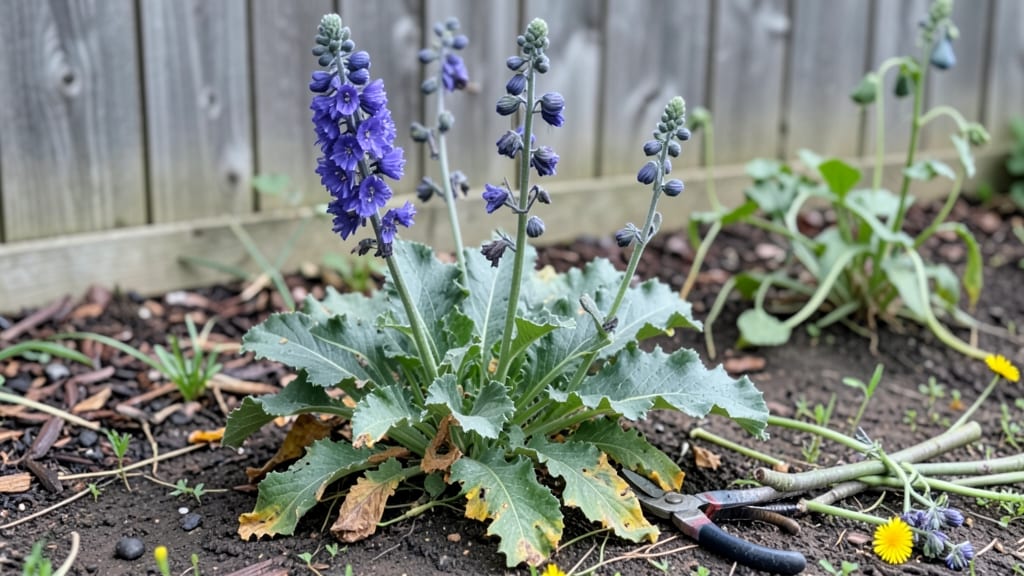
Pruning delphinium plants after they bloom is the secret to those dramatic, towering spikes returning year after year. 🌿 I learned the hard way—skipping this step means fewer flowers and leggy stems that flop by summer’s end. The right cuts encourage bushier growth and keep your plants looking their best.
You’ll need clean, sharp pruners (sterilized with rubbing alcohol) and a sunny afternoon to work. Cut back spent blooms to the first set of healthy leaves, and trim any weak stems at the base.
This isn’t just about looks—it’s about redirecting energy so your delphiniums put on a repeat performance all season.
The payoff is worth it: instead of one big flush of blooms followed by bare stems, you’ll get fresh flowers appearing every few weeks. Just avoid heavy pruning in late fall—wait until spring to shape the plant. Your neighbors will be jealous of those 6-foot-tall spikes.
Works for both perennial delphiniums and tender varieties grown as annuals. Here’s how to do it right—no guesswork, just results.
📚 In This Guide
- What you need
- Instructions
- Tips and common mistakes
- Wrapping up and next steps
What you need
- ● Bypass pruners (sharp, clean) – Choose a pair with ergonomic handles (e.g., Felco or Fiskars) for comfort during long pruning sessions.
- ● Hand pruners (for smaller stems) – Opt for bypass-style (not anvil) to avoid crushing stems.
- ● Garden shears or loppers – For thicker stems (½ inch or larger), use long-handled loppers (e.g., Corona or Razor-Back) to avoid strain.
- ● Disposable gloves – Nitrile or leather gloves protect against thorns and sap.
- ● Rubbing alcohol (70% or higher) – 1 small bottle to sterilize tools between cuts and prevent disease.
- ○ Garden twine or zip ties – 5-10 feet to support stems after pruning (optional but helpful for tall varieties).
- ● Pruning saw – For extra-thick stems (rare in delphiniums but useful if stems exceed 1 inch in diameter).
- ● Compost bin or bucket – To collect spent blooms and stems for composting.
- ● Plant food (balanced fertilizer, 10-10-10) – 1 small bag to feed plants post-pruning for a bloom boost.
- ● Stake or tomato cage – Extra support for tall or leggy delphiniums after cutting.
- ● Dry, sunny day – Prune when stems are not wet (disease risk!) and temps are mild (60–75°F).
- ● Clean workspace – Lay down newspaper or a tarp to catch debris.
- ● Patience and a steady hand – Delphiniums are thorny; take your time!
Step-by-Step instructions for pruning delphinium plants
Here’s how to keep your delphiniums blooming tall and vibrant all season—no guesswork, just results.
✂️ Step 1: Time Your First Prune for Peak Growth
Start pruning once your delphiniums reach 12-18 inches tall and have produced their first flush of blooms. This usually happens 6-8 weeks after transplanting or when you notice spent flowers wilting at the top. Cutting too early removes potential blooms, while waiting too long lets seed heads form, draining energy from new growth.
Use clean, sharp pruning shears (disinfect with rubbing alcohol first) to make cuts just above a set of healthy leaves or side buds. Avoid cutting into woody stems—focus on soft, green growth where new blooms will emerge. I like to make diagonal cuts to prevent water from pooling and rotting the stem.
✂️ Step 2: Deadhead Spent Blooms for Continuous Flowers
After the first flush, deadhead regularly every 7-10 days to encourage nonstop blooming. Look for wilted or browned flower heads—these signal spent blooms ready for removal. Pinch off the entire spent bloom cluster down to the first set of strong leaves or buds below it.
Here’s the thing—delphiniums are heavy bloomers, so they’ll produce new side shoots from those leaf axils. If you skip deadheading, the plant will redirect energy into seed production instead of more flowers. I promise, the more you prune, the taller and bushier your plants will grow—just don’t cut into old wood.
✂️ Step 3: Lightly Trim Leggy Stems Mid-Season
By mid-summer, some stems may stretch tall and thin, looking leggy or weak. These stems won’t produce strong blooms and can flop over in heavy rain. Identify the longest, weakest stems and cut them back to 6-8 inches tall, just above a healthy set of leaves.
This might seem drastic, but it’s actually a reset. The plant will respond by sending up sturdier, shorter side shoots that bloom just as beautifully. Avoid over-pruning—never remove more than 20% of the plant’s total growth at once. You’ll see new buds forming within 2-3 weeks if the weather stays warm.
✂️ Step 4: Clean Up for Next Season’s Growth
Once blooming slows in late summer or early fall, give your delphiniums a final trim. Cut back all stems to 4-6 inches tall, but leave the basal rosette of leaves intact. This protects the crown from winter damage while allowing the plant to store energy for next year.
Remove all dead or diseased foliage immediately—don’t leave it on the ground. Delphiniums are prone to powdery mildew, and old debris spreads spores. I like to mulch around the base with 2-3 inches of organic mulch (like shredded leaves) to insulate the crown over winter.
⏰ Step 5: Monitor and Adjust Through the Season
Check your delphiniums weekly for signs of stress—yellowing leaves, weak stems, or excessive wilting. If you notice overcrowded stems, thin them out by removing the thinnest or most congested shoots. Overcrowding leads to poor air circulation, which invites fungal diseases.
Adjust your pruning based on growth: if your plants are bolting early (sending up tall, flower-only stems), they need less water and more shade to slow growth. If they’re lush but not flowering, they might need more sunlight or a light fertilizer boost with low nitrogen to encourage blooms over foliage.
Tips & tricks for pruning delphinium plants
A few simple tricks will help you keep your delphiniums thriving and producing those stunning towering blooms all season long.
Timing Tip: In Step 1, when your delphiniums reach 12-18 inches tall, don't rush to prune! Wait until you see the first spent flowers wilting at the top. This ensures you're not cutting off potential blooms too early. I've learned the hard way that pruning too soon can actually reduce your total flower production. The 6-8 week mark after transplanting is your sweet spot for that first prune.
Tool Technique: Always disinfect your pruning shears with rubbing alcohol before and after each use, especially between different plants. Delphiniums are susceptible to powdery mildew, and contaminated tools can spread this fungal disease quickly. I keep a small bottle of rubbing alcohol in my gardening toolbox for this exact purpose. The diagonal cuts mentioned in Step 1 also help prevent water from pooling at the cut site, which reduces the risk of rot.
Pruning Strategy: When you're deadheading every 7-10 days as in Step 2, focus on removing the entire spent bloom cluster down to the first set of strong leaves or buds. This encourages new side shoots to form from those leaf axils. I've noticed that being precise with my cuts—rather than just snipping off the flower head—results in more robust regrowth and ultimately more flowers. Don't be afraid to get your hands in there and feel for those strong buds!
Seasonal Reset: In Step 3, when you're trimming those leggy stems back to 6-8 inches, think of it as a plant reset. The key is to never remove more than 20% of the plant's total growth at once. I mark the stems I'm cutting with a small piece of twine before making the cut to ensure I'm not over-pruning. You'll often see new buds forming within 2-3 weeks if you've done it right—it's like watching your plants hit the reset button for a second burst of energy.
Pro Tips for Pruning Delphinium Plants
- A few simple tricks will help you keep your delphiniums thriving and producing those stunning towering blooms all season long.
- Timing Tip: In Step 1, when your delphiniums reach 12-18 inches tall, don't rush to prune!
- Tool Technique: Always disinfect your pruning shears with rubbing alcohol before and after each use, especially between different plants.
Frequently asked questions
Got questions about keeping your delphiniums blooming like a queen? Here are answers to the most common ones—so you can prune with confidence and enjoy those towering spikes all season!
When is the best time to prune delphiniums?
Prune delphiniums after flowering (late summer) to encourage a second flush of blooms. For deadheading, snip spent blooms weekly to redirect energy to new growth. Avoid heavy pruning in early spring—wait until new shoots appear (usually after the last frost).
How far down should I cut delphinium stems?
For deadheading, cut stems just above a set of healthy leaves (about 1–2 inches below the faded bloom). If pruning for shape or size, reduce stems by one-third but leave at least 6–8 inches of growth. Never cut into old, woody stems—focus on current season’s growth to avoid stressing the plant.
What should I do if my delphiniums stop blooming after pruning?
If blooms fizzle post-pruning, check these fixes:
- Over-pruning: You may have cut too aggressively. Next time, leave more foliage.
- Lack of nutrients: Feed with a balanced fertilizer (10-10-10) after pruning.
- Poor sunlight: Delphiniums need 6+ hours of sun daily—move to a sunnier spot.
- Disease stress: Yellowing leaves? Prune infected stems immediately and treat with fungicide.
Can I prune delphiniums in fall or winter?
Lightly trim dead or damaged foliage in late fall, but avoid heavy pruning until spring. Delphiniums are perennials—cutting back too early can harm their winter hardiness. Wait until early spring (when new growth emerges) to shape the plant for the season.
Are there alternatives to pruning for longer blooms?
Yes! Try these low-maintenance tricks:
- Pinch young stems: In early summer, pinch back tips to encourage bushier growth and more blooms.
- Stake strategically: Support tall stems to prevent flopping, which can stress the plant.
- Divide clumps: Every 3–4 years, split overcrowded plants in spring to rejuvenate blooms.
- Mulch well: Add 2–3 inches of mulch to retain moisture and reduce stress.
Wrapping up and next steps
Pruning your delphinium plants doesn’t have to be intimidating—it’s all about timing, technique, and a little patience! 🌸 With the right tools and a few simple steps, you’ll encourage those stunning, towering blooms to thrive all season long.
Whether you’re a seasoned gardener or just starting out, your efforts will pay off in vibrant, healthy delphiniums that steal the show in your garden.
Ready to take the next step? Grab your pruners and head outside! Start small—even a single plant can make a difference—and soon, your garden will be bursting with color. Happy pruning! 🌿