
Pruning
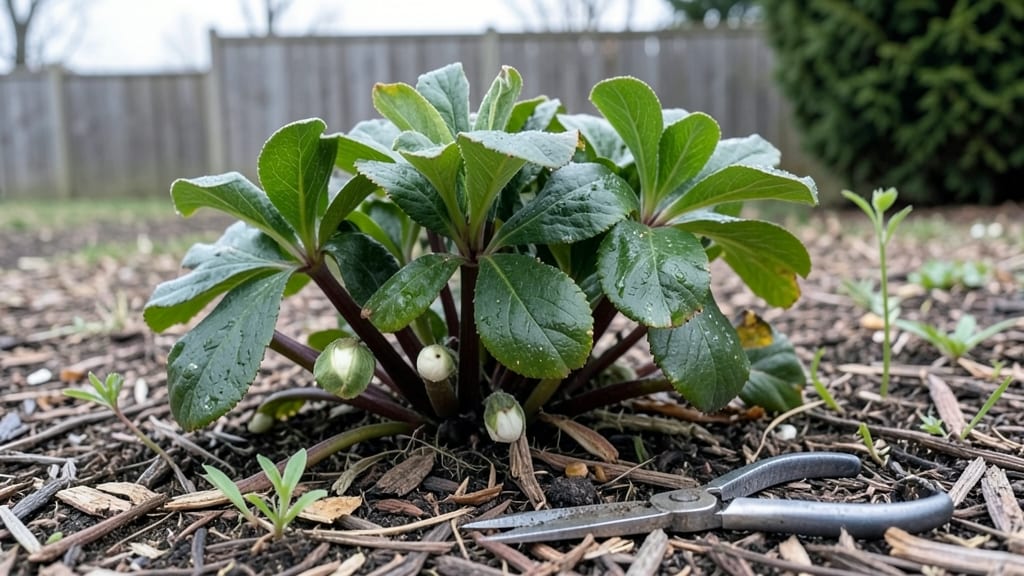
Pruning hellebore plants at the right time transforms them from scraggly survivors into showstopping woodland stars. 🌿 I learned the hard way that cutting too early strips away next year’s blooms—these perennials store energy in their leaves, not their stems.
The secret lies in patience and precision: wait until late spring, after flowering but before new foliage hardens, to trim back only what’s truly spent.
You’ll need just three tools: sharp pruners for clean cuts, gloves to protect from thorny stems, and a bucket for debris. The technique is simple—snip dead or yellowing leaves at the base, but leave the healthy foliage untouched.
This isn’t about shaping; it’s about preserving the plant’s ability to photosynthesize. Over-pruning here means fewer blooms next winter, and nobody wants that.
What you’ll gain is a hellebore that blooms earlier, denser, and for longer each season. The foliage stays lush and disease-resistant, and those iconic winter flowers arrive with bold, unblemished petals.
Think of it as giving your plants a spa day—less stress, more beauty, and a garden that stays stunning year-round.
This method works for all hellebore varieties, from classic Helleborus niger to hybrid cultivars. The key is consistency: prune the same way every year, and your plants will reward you with decades of effortless elegance. Now, let’s get those shears ready.
📚 In This Guide
- What you need
- Instructions
- Tips and common mistakes
- Wrapping up and next steps
What you need
- ● Pruning shears: Bypass pruners (sharp, clean, and sterilized—think 5-7 inch blades for precision). Avoid anvil pruners—they can crush stems.
- ● Gloves: Garden gloves (nitrile or leather) to protect from thorns and sap. Opt for cut-resistant if your hellebores have spiky foliage.
- ● Disinfectant: Rubbing alcohol (70% or higher) or a gardening disinfectant spray to clean tools between cuts (prevents disease spread).
- ● Trash bag or bucket: For deadheading spent blooms or diseased foliage. A lined bucket (with a 5-gallon capacity) works great.
- ● Sharpie or marker: Permanent marker (for labeling pruned sections if propagating).
- ● Hand lens or magnifier: Helps spot pests or diseased tissue up close.
- ● Compost bin: For repurposing healthy pruned stems as mulch or compost.
- ● Pruning saw: Only if dealing with thick, woody stems (rare in hellebores, but useful for mature plants).
- ● Hose or spray bottle: To rinse tools post-pruning and keep cuts clean.
Step-by-step guide to pruning hellebore plants
Mastering hellebore pruning transforms your garden’s winter interest into a year-round show.
✂️ Step 1: Time Your Pruning for Optimal Growth
Hellebores bloom on old wood, so timing matters. Wait until late spring or early summer—after flowering but before new foliage fully matures. You’ll know it’s time when spent blooms turn brown and crispy, but fresh leaves remain vibrant. Prune too early, and you risk cutting off next year’s flower buds hidden in last season’s stems.
I like to schedule this around June, when the soil has warmed slightly but hasn’t yet dried out completely. Avoid pruning in fall or winter, as hellebores store energy in their stems for next year’s blooms. If you must clean up in late winter, simply remove only the dead, brown foliage—never cut into green stems.
🌿 Step 2: Remove Only What’s Necessary
Use clean, sharp pruners to snip away only the damaged or unsightly foliage. Target stems that are yellowed, blackened, or completely dried out—these won’t recover. Healthy stems should feel firm and green, even if they’ve finished blooming. Never shear hellebores like a hedge; their natural, wavy growth is part of their charm.
Focus on deadheading spent blooms by cutting the stem just above the first set of healthy leaves. This redirects energy to new growth rather than seed production. If a stem looks weak but still green, leave it—it may produce smaller blooms later in the season. The goal is to maintain the plant’s natural shape while encouraging next year’s flowers.
✂️ Step 3: Clean Up Without Over-Pruning
After removing dead foliage, step back and assess the plant’s structure. Hellebores thrive on minimal intervention, so avoid the urge to trim back more than 20% of the plant’s height. Cutting too aggressively forces the plant to regrow from scratch, weakening its winter hardiness and delaying next year’s blooms.
Use your fingers to gently pinch off any ragged or split leaves—no pruners needed. For stubborn stems, make a clean cut at a 45-degree angle just above a leaf node. This prevents water from pooling and causing rot. Mulch around the base with 2-3 inches of organic mulch (like shredded bark) to protect roots and retain moisture during the pruning recovery period.
🌱 Step 4: Post-Pruning Care for Stronger Growth
Water deeply immediately after pruning to help the plant recover. Hellebores have shallow roots, so 1 gallon of water per plant ensures the soil stays moist but not soggy. Avoid overhead watering, which can spread disease—water at the base instead. Fertilize lightly with a balanced, slow-release fertilizer (like 10-10-10) in early fall to support root development for next year’s blooms.
Monitor the plant for new growth in the coming weeks. Healthy hellebores will produce fresh leaves within 4-6 weeks of pruning. If you notice yellowing leaves or stunted growth, reduce watering slightly—hellebores prefer well-draining soil and hate soggy roots. A little neglect is better than overwatering, which can lead to root rot.
⏰ Step 5: Plan for Year-Round Interest
Hellebores reward patience, so resist the temptation to prune heavily. Instead, leave the old foliage until spring—it provides winter structure and protects the crown from temperature swings. When new shoots emerge in early spring, you can trim back any remaining dead leaves, but avoid cutting into live stems.
This approach ensures your hellebores rebloom reliably year after year. Over time, you’ll notice clusters of new stems emerging from the center, creating a fuller, more dynamic plant. With proper pruning, a single hellebore can live—and thrive—for decades, becoming a garden staple that outperforms seasonal annuals.
Tips & tricks for perfect hellebore pruning
Hellebore pruning might seem intimidating, but these practical tips will help you avoid common mistakes and keep your plants thriving for decades.
Timing is Everything: The late spring to early summer window (around June) is critical because hellebores bloom on old wood. If you prune too early, you risk cutting off next year's flower buds. Look for brown, crispy spent blooms with fresh green leaves still vibrant—this is your perfect cue. I've learned the hard way that pruning in fall or winter can weaken the plant's winter hardiness, so always wait until the soil has warmed slightly.
Precision Over Aggression: When deadheading spent blooms in Step 2, cut just above the first set of healthy leaves—not too high, not too low. This small detail redirects energy to new growth rather than seed production. I've seen gardeners accidentally shear hellebores like hedges, which destroys their natural wavy charm. Remember, healthy stems should feel firm and green, even after blooming. If you're unsure, pinch off ragged leaves with your fingers instead of using pruners.
Post-Pruning Recovery Strategy: After pruning, immediately water with 1 gallon per plant to help recovery. The key is to keep soil moist but not soggy—hellebores hate wet roots. I've found that adding 2-3 inches of organic mulch (like shredded bark) around the base helps retain moisture while protecting roots. This step is often overlooked but makes a huge difference in the plant's ability to bounce back. Monitor for new growth within 4-6 weeks—if you see yellowing leaves, that's your signal to reduce watering slightly.
Year-Round Interest Secret: Resist the urge to prune heavily! Leave old foliage until spring—it provides winter structure and protects the crown from temperature swings. I've watched hellebores with winter foliage outshine many spring bloomers. When new shoots emerge in early spring, simply trim back any remaining dead leaves without cutting into live stems. This approach ensures reliable reblooming year after year, which is why hellebores become garden staples that outperform seasonal annuals.
Pro Tips for Pruning Hellebore Plants
- Hellebore pruning might seem intimidating, but these practical tips will help you avoid common mistakes and keep your plants thriving for decades.
- Timing is Everything: The late spring to early summer window (around June) is critical because hellebores bloom on old wood.
- Precision Over Aggression: When deadheading spent blooms in Step 2, cut just above the first set of healthy leaves—not too high, not too low.
Frequently asked questions
Got questions about pruning hellebores?
Here are some of the most common concerns—plus expert answers to keep your plants thriving!
When is the best time to prune hellebores?
The ideal time to prune hellebores is right after they finish blooming (typically late spring to early summer). This gives them time to recover before winter. Avoid pruning in fall or winter, as cold stress can harm the plant. If you miss the window, wait until early spring before new growth appears.
How much can I cut back hellebore foliage?
Hellebores are hardy and rarely need aggressive pruning. For most varieties, simply trim spent flower stems to the base and remove any yellowed or damaged leaves. Avoid cutting back more than one-third of the foliage—this can reduce the plant’s ability to photosynthesize and store energy for next year’s blooms.
What if my hellebore looks sad after pruning?
If your plant appears wilted or stressed post-pruning, it’s likely due to over-trimming or poor timing. Give it a few weeks to recover, and keep the soil consistently moist (but not soggy). If the foliage stays limp or yellows excessively, it may need more time—or a check for pests, like slugs or aphids, which love hellebores!
Do I need to prune hellebores every year?
Nope! Hellebores are low-maintenance perennials. Prune only when necessary—such as to remove dead flowers, damaged leaves, or overly crowded growth. Many gardeners skip pruning entirely and still enjoy vibrant blooms year after year. The key is observing your plant’s health and acting only when needed.
Can I prune hellebores for propagation?
Yes! You can divide and propagate hellebores in early spring or fall. Simply dig up the plant, separate the clumps, and replant the divisions. Prune back any damaged foliage before replanting. This is a great way to share hellebores with friends or refresh an overcrowded garden bed.
Still unsure? Drop your hellebore pruning questions in the comments—we’re happy to help!
Wrapping up and next steps
Pruning hellebore plants is a simple yet rewarding task that keeps your garden vibrant and blooming year-round! 🌸 By following the right timing—like trimming spent foliage in early spring or shaping in late winter—and using sharp tools, you’ll encourage healthier growth and stunning flowers.
Don’t let hesitation hold you back; grab those shears and give your hellebores the care they deserve!
Next step: Mark your calendar for late winter or early spring, gather your tools, and get ready to transform your garden into a lush, ever-blooming paradise. Happy pruning! ✂️🌿