
Planting
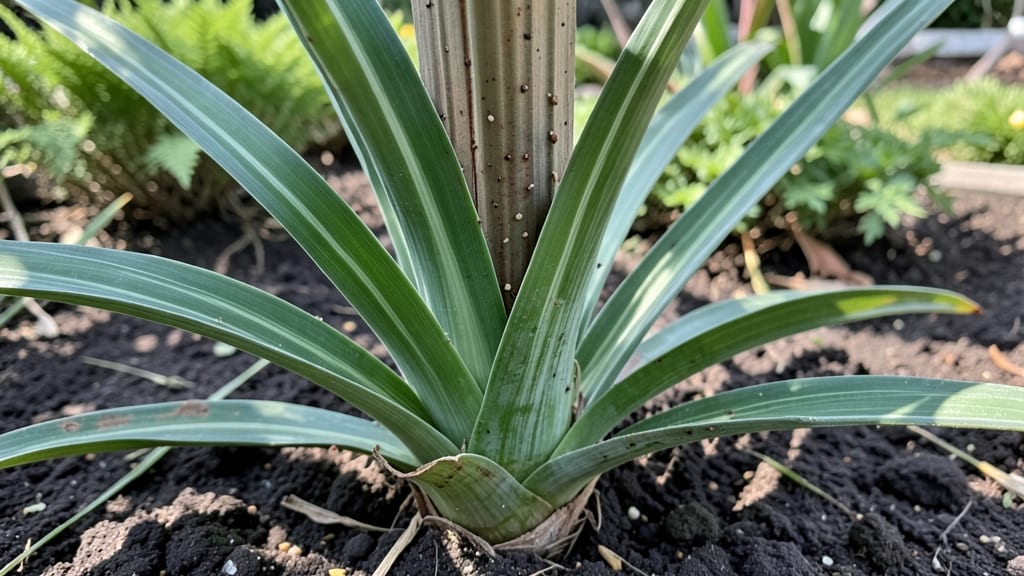
The snake tree plant in my corner has been my low-maintenance green ally for years—it’s the only houseplant that forgives my forgetfulness and still looks lush. it for weeks.
The secret lies in its ability to store moisture and adapt to almost any condition, making it perfect for busy gardeners or those with less-than-ideal light.
The key to keeping yours happy starts with the right setup: bright, indirect light (it tolerates low light too), well-draining soil, and water only when the top few inches are completely dry. Overwatering is the biggest mistake—this plant would rather go thirsty than drown.
Once you get the basics right, it grows fast and stays lush, with those signature striped leaves that add modern flair to any space.
You’ll love how it purifies the air while barely asking for anything in return. The leaves keep their vibrant green and yellow stripes year-round, and it even thrives in offices or bathrooms where humidity dips.
Propagation is simple too—just snip a leaf and root it in water or soil, and you’ll have a new plant in a few weeks.
Whether you’re a beginner or a seasoned gardener, this plant is impossible to kill. It’s the ultimate low-maintenance star for any home or office. Here’s how to keep yours thriving with minimal effort—and why it’s become a favorite for so many.
📚 In This Guide
- What you need
- Instructions
- Tips and common mistakes
- Wrapping up and next steps
What you need
- ● Snake plant (Sansevieria trifasciata) – 1 healthy pup (3-6 inches tall). Choose a variety like 'Laurentii,' 'Futura Superba,' or 'Hahnii' for unique looks!
- ● Pot with drainage holes – 1 ceramic or terracotta pot (6-8 inches in diameter for a small pup, 10+ inches for mature plants).
- ● Well-draining potting mix – 1 bag (5-10 quarts) of cactus or succulent soil mixed with perlite or pumice (20-30% by volume) for aeration.
- ○ Gravel or pebbles – A small handful (optional but helpful for extra drainage at the pot’s base).
- ● Gloves – 1 pair (to protect your hands from sharp leaf edges).
- ● Trowel or small shovel – 1 (for repotting or dividing plants).
- ● Watering can with a narrow spout – 1 (to avoid overwatering).
- ○ Misting bottle – 1 (optional, for humidity-loving varieties like 'Hahnii').
- ● Fertilizer (balanced or succulent-specific) – 1 bottle (5-10-10 or 2-7-7 NPK ratio, diluted to half-strength).
- ○ Spray bottle with neem oil – 1 (optional, for pest control).
- ● A bright, indirect light spot (east or north-facing window is ideal; tolerates low light but grows slower).
- ● Patience – Snake plants thrive on neglect! Water only when the soil is completely dry (every 2-4 weeks, depending on climate).
- ● Warmth – Ideal temps: 60–85°F (15–30°C). Avoid cold drafts!
Step-by-Step instructions for planting and caring for snake plant
This drought-tolerant beauty thrives with minimal fuss—just follow these simple steps for healthy, striking foliage.
Select the Right Container and Soil Mix
Choose a pot with drainage holes—snake plants despise soggy roots. A 6-inch diameter container works for one plant, but you can group four in a 12-inch planter for a bold display. I use a lightweight potting mix with 30% perlite to ensure excellent drainage. Avoid garden soil; it compacts and suffocates roots.
Fill the container about 2 inches deep with the mix, then tap the pot gently to settle it. The goal is a loose, airy medium that lets excess water drain quickly. If your mix feels dense, add another handful of perlite before planting. Snake plants prefer slightly dry conditions, so good drainage is non-negotiable.
Plant the Snake Plant Correctly
Remove the plant from its nursery pot and gently loosen the roots if they’re tightly bound. Place it in the container so the top of the root ball sits just below the rim—this prevents rot from overwatering. For multiple plants, space them 4-6 inches apart to allow airflow.
Fill the gaps with more potting mix, pressing lightly to secure the plant. Don’t bury the base too deeply; the crown (where leaves meet the soil) should stay visible. This ensures the plant stays dry at the base, reducing rot risk. Water lightly after planting to settle the soil around the roots.
Position for Light and Temperature
Snake plants thrive in bright, indirect light but tolerate low light—though growth slows. Place yours near a south- or east-facing window for ideal conditions. If leaves start stretching or losing their vibrant stripes, it’s getting too little light. Direct sun can scorch, so avoid harsh afternoon rays.
Keep temperatures between 60-85°F—they’re adaptable but dislike drafts or cold snaps below 50°F. A sunny windowsill or well-lit corner works perfectly. Real talk: These plants are forgiving, but bright, indirect light keeps their iconic patterns sharpest.
Water Sparingly and Only When Needed
Water only when the top 2-3 inches of soil feel completely dry—this could be every 2-3 weeks in winter or once a week in summer, depending on your climate. Stick your finger in the soil; if it’s damp, wait. Overwatering is the #1 killer of snake plants.
When you water, soak the soil until water runs out the drainage holes, then empty the saucer. This prevents root rot. Yellowing leaves often mean overwatering, while crispy tips signal underwatering. Find that balance, and your plant will reward you with bold, upright foliage for years.
Fertilize Lightly and Prune as Needed
Feed your snake plant once in spring with a balanced, diluted houseplant fertilizer (half-strength). Too much fertilizer burns roots, so less is always better. Skip fertilizing in fall and winter—these plants are dormant and don’t need extra nutrients.
Prune only when necessary: Remove yellow or brown leaves at the base with clean scissors. If a leaf gets damaged, trim it back to the nearest healthy node. Snake plants rarely need repotting—only when roots circle the pot or growth slows. Repot in spring into a container just 1-2 inches larger than the current one.
Tips & tricks for perfect snake plant care
These simple but game-changing tips will help your snake plant thrive with minimal effort and maximum impact.
The Container Drainage Secret: In Step 1, when selecting your pot, prioritize drainage holes above all else. I’ve seen snake plants thrive in terracotta pots because they naturally wick away moisture, but even plastic pots work as long as they drain. Pro tip: If your pot doesn’t have holes, drill them yourself or place it on a saucer with pebbles to create an air gap. This prevents the root rot that kills most houseplants.
Soil Mix Strategy: The 30% perlite recommendation in Step 1 is non-negotiable for snake plants. I’ve found that adding a handful of orchid bark to the mix creates even better airflow around roots. Mix it thoroughly—uneven distribution can lead to soggy spots. For a budget-friendly option, you can substitute perlite with pumice or coarse sand, but perlite remains the gold standard for drainage.
Light Positioning Insight: When placing your snake plant in Step 3, remember that bright indirect light is key—but don’t assume all indirect light is equal. North-facing windows provide consistent indirect light, while west-facing windows can deliver harsh afternoon rays. If you notice leaves stretching toward the light (called etiolation), it’s time to move your plant closer to a brighter spot or supplement with a grow light for 4-6 hours daily.
Watering Technique: The 2-3 inch soil dry test in Step 4 is crucial, but here’s what nobody tells you: Use your finger to check moisture at the base of the plant, not just the surface. Snake plants store water in their leaves, so the topsoil can feel dry while roots remain moist. I’ve learned this the hard way—overwatering leads to yellow leaves, while underwatering causes crispy tips. The solution? Water thoroughly when needed, then let the plant tell you when it’s truly thirsty.
Pro Tips for Snake Tree Plant
- These simple but game-changing tips will help your snake plant thrive with minimal effort and maximum impact.
- The Container Drainage Secret: In Step 1, when selecting your pot, prioritize drainage holes above all else.
- Soil Mix Strategy: The 30% perlite recommendation in Step 1 is non-negotiable for snake plants.
Frequently asked questions
about the Snake Tree Plant (Dracaena trifasciata) – your go-to for low-maintenance, drought-resistant beauty!What’s the best way to water a Snake Plant?
Water your Snake Plant only when the top 2-3 inches of soil are completely dry—usually every 2-3 weeks. Overwatering is the #1 killer! Use well-draining soil and a pot with drainage holes to prevent root rot. Pro tip: Yellow leaves? You’re likely overwatering!
How much sunlight does a Snake Plant need?
Snake Plants thrive in bright, indirect light but tolerate low light too! Place it near a north- or east-facing window for optimal growth. Avoid harsh direct sun, which can scorch the leaves. Fun fact: They’re perfect for offices with fluorescent lighting!
Can I grow a Snake Plant outdoors?
Yes! In USDA Zones 9-11, Snake Plants can handle outdoor pots with partial shade. In colder climates, bring it inside before temps drop below 50°F (10°C). Protect it from frost and strong winds. Warning: Avoid soggy soil—outdoor pots dry faster than indoor ones!
Why are my Snake Plant’s leaves turning brown or crispy?
Brown tips or edges usually mean underwatering or low humidity. Trim the damaged parts with clean scissors and adjust your watering routine. Mist the leaves occasionally or place a pebble tray nearby for extra moisture. Fix: Avoid tap water with high chlorine—use filtered or distilled water instead!
What are some Snake Plant alternatives for beginners?
If Snake Plants seem too slow-growing, try these equally easy drought-lovers:
- ZZ Plant (Zamioculcas zamiifolia) – Nearly indestructible!
- Pothos (Epipremnum aureum) – Fast-growing and forgiving.
- Sansevieria ‘Futura Superba’ – A bold, upright variety.
- Spider Plant (Chlorophytum comosum) – Great for hanging baskets.
Wrapping up and next steps
The snake plant (Sansevieria) isn’t just a drought-resistant superstar—it’s a low-maintenance showstopper that thrives on neglect while purifying the air. Whether you’re a busy gardener or a beginner, this hardy plant brings year-round greenery with minimal effort, making it the perfect addition to any space.
Ready to elevate your indoor jungle? Start planting today and enjoy the rewards of a resilient, stylish green companion! 🌱✨