
Diseases
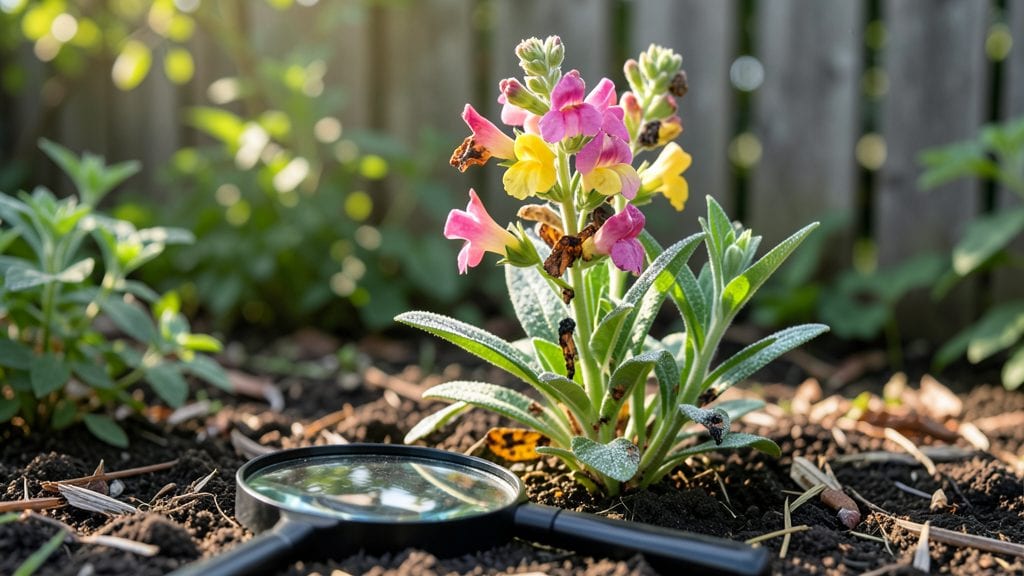
Snapdragon plant diseases can turn your vibrant garden into a sad, spotted mess if you don't catch them early. 🌿 I've seen healthy snapdragons go from showstopper to sad in just a few weeks, but there's a way to stop it—before it spreads.
The key is knowing what to look for and acting fast with organic fixes that actually work.
Most snapdragon problems start with powdery white spots or yellowing leaves, often caused by fungal infections like powdery mildew or downy mildew. Overwatering, poor airflow, and crowded plants create the perfect storm for these diseases. The good news?
You can prevent 90% of issues with simple garden hygiene—like removing infected leaves immediately and spacing plants properly. My snapdragons stayed disease-free all summer after I switched to drip irrigation and thinned out the beds.
Once you spot trouble, organic treatments like neem oil or baking soda spray can turn things around. I've used a mix of 1 tablespoon baking soda, 1 quart water, and a drop of dish soap to stop mildew in its tracks—within a week, new growth comes in clean and strong.
The secret is consistency: treat every 7-10 days until the problem disappears completely. Your snapdragons will bounce back faster than you think.
This works for both beginner gardeners and seasoned growers—just adjust the timing based on your climate. Hot, humid summers? Watch for mildew. Cool, wet springs? Rust might be the culprit.
Either way, early action means the difference between a garden full of color and one full of disappointment. Let's get those snapdragons thriving again.
Root Causes Of Snapdragon Struggles
Understanding why snapdragons fall prey to diseases is the first step toward prevention. These vibrant flowers are susceptible to a range of pathogens due to a mix of environmental, biological, and cultural factors. Let’s break down the key triggers behind their decline, so you can address them head-on with confidence.
Snapdragons thrive in cooler climates, and when temperatures climb above 80°F (27°C)—especially with high humidity—they become prime targets for fungal infections like powdery mildew and downy mildew. Here’s why:
- Fungal spores thrive: Warmth and moisture create the perfect breeding ground for fungal pathogens. Spores germinate rapidly on snapdragon leaves, forming the white, powdery coatings or yellowish patches you might spot.
- Poor air circulation: Dense foliage or crowded plantings trap humidity, preventing leaves from drying quickly after watering. This stagnant, moist environment accelerates disease spread.
- Stress weakens defenses: Snapdragons already stressed by heat may produce fewer natural antifungal compounds, making them easier prey.
💡 Pro Tip: Space plants 12–18 inches apart for airflow, water in the early morning (not overhead), and avoid mulching too close to stems to reduce soil moisture retention.
Snapdragons despise soggy roots and wet foliage. When watering habits are off, you’re essentially inviting bacterial and fungal invaders to the party. Here’s how it happens:
- Overwatering: Snapdragons prefer moderate moisture but can’t tolerate waterlogged soil. Excess water drowns roots, creating anaerobic conditions that weaken plants and make them susceptible to root rot (caused by Phytophthora or Pythium).
- Wet leaves: Splashing water onto leaves (especially at night) leaves them damp for extended periods, giving Botrytis blight or Alternaria leaf spot the opportunity to take hold.
- Inconsistent watering: Snapdragons hate drought stress, but they also hate being drenched one day and parched the next. Fluctuations in soil moisture weaken their cell walls, making them more vulnerable to infections.
🔥 Action Step: Use drip irrigation or soaker hoses to deliver water at the base, and always water deeply but infrequently—aim for 1 inch of water per week, adjusting for rainfall.
A snapdragon’s ability to fight off diseases starts with its overall health. When they’re malnourished or overfed, their immune system crashes, leaving them open to attacks. Here’s the breakdown:
- Nitrogen excess: Too much nitrogen (common in over-fertilized soil) promotes lush, soft growth that’s more prone to fungal infections. It also delays maturity, keeping plants in a vulnerable state longer.
- Deficiencies in key nutrients: Lack of phosphorus or potassium weakens cell walls, making plants more susceptible to Verticillium wilt or Fusarium. Yellowing leaves or stunted growth are red flags.
- Poor soil structure: Compacted or nutrient-poor soil restricts root development, reducing the plant’s ability to absorb water and nutrients efficiently. Weak roots = weaker disease resistance.
🌡️ Soil Test Tip: Test your soil’s pH (ideal range: 6.0–7.0) and nutrient levels. Amend with compost or a balanced organic fertilizer (like 5-5-5) to build resilience.
Diseases don’t appear out of nowhere—they’re often carried by wind, water, tools, or even other plants. Snapdragons are particularly vulnerable when:
- Infected plants are nearby: Fungal spores from nearby infected petunias, snapdragons, or tomatoes can hitch a ride on the wind or splashing water, landing on your snapdragons.
- Contaminated tools or soil: Pruners, gloves, or even garden shoes can transfer spores from diseased plants to healthy ones. So can reused potting mix or garden beds that haven’t been sterilized.
- Wildlife or pests act as vectors: Slugs, snails, and even bees can spread fungal spores from plant to plant. Insects like aphids can also transmit viral diseases.
✨ Prevention Hack:
- Rotate crops annually to break disease cycles.
- Sterilize tools with 70% rubbing alcohol or a 10% bleach solution between uses.
- Remove and dispose of infected plants (don’t compost them) to prevent reinfection.
By tackling these root causes—environmental stress, water mismanagement, nutrient gaps, and pathogen exposure—you’ll create an unfavorable landscape for diseases and give your snapdragons the fighting chance they deserve. 🌿
Quick fixes for snapdragon ailments
When your snapdragons show signs of distress, acting fast can mean the difference between a full recovery and losing your plants. Below are targeted, organic solutions for the most common snapdragon diseases, paired with prevention tips to keep your garden thriving.
Think of this as your emergency care kit—simple, effective, and easy to follow.
Fungal diseases thrive in damp, crowded conditions, but you can starve them out with these steps.
🔥 Remove Infected Foliage Immediately
- Snip off yellowed, spotted, or powdery-white leaves with clean pruners (sterilize with rubbing alcohol).
- Dispose of them in the trash—do not compost—to prevent spores from spreading.
🍳 Homemade Fungicide Spray (Safe & Effective)
Mix one of these in a spray bottle and apply early morning or late evening (when humidity is lower):
- Baking Soda Spray: 1 tsp baking soda + 1 tbsp vegetable oil + 1 tsp mild soap per quart of water. Shake well before use.
- Neem Oil Solution: 1 tbsp neem oil + 1 tsp soap per quart of water. Reapply every 7–10 days.
- Milk Spray: 1 part milk to 9 parts water. Use fresh milk for best results—it contains natural fungicides!
👨🍳 Improve Airflow & Light
- Space plants 12–18 inches apart to reduce humidity buildup.
- Avoid overhead watering—use a drip system or water at the base.
- Prune for sunlight: Thin out crowded stems so air circulates freely.
💡 Prevention Tip
🌡️ Water in the morning so foliage dries quickly. Fungi love moisture, so never let leaves stay wet overnight.
These slimy, mushy infections can kill snapdragons fast, but early action helps.
⏰ Act Fast: Prune & Sterilize
- Cut off rotting stems at least 1 inch below the affected area using sterilized scissors (wipe with 70% isopropyl alcohol).
- Do not compost infected plant material—it spreads bacteria.
🥘 Hydrogen Peroxide Soak (For Roots)
If roots are mushy:
- Remove the plant and rinse roots gently with water.
- Soak roots in a 3% hydrogen peroxide solution (1 part peroxide to 3 parts water) for 10 minutes.
- Repot in sterilized, well-draining soil (see below).
🔪 Repot in Fresh, Sterile Soil
- Use a fresh potting mix (or sterilize old soil by baking at 200°F for 30 minutes).
- Add perlite or sand (20%) to improve drainage.
- Avoid overwatering—let the top inch of soil dry out between waterings.
🎯 Prevention Tip
✨ Rotate crops—don’t plant snapdragons in the same spot year after year. Bacterial pathogens linger in soil!
Viruses like tomato spotted wilt (TSWV) are incurable, but you can prevent outbreaks and limit damage.
🔪 Remove & Destroy Infected Plants
- Pull up and dispose of any plants showing mosaic patterns, stunted growth, or distorted leaves.
- Do not compost—burn or trash them to prevent thrips (virus vectors) from spreading.
🌡️ Trap & Reduce Thrips (The Culprits)
Thrips spread viruses—eliminate them with:
- Blue sticky traps (place near plants to catch adults).
- Spray with soapy water (1 tsp dish soap + 1 quart water) twice weekly.
- Introduce beneficial insects: Ladybugs and lacewings devour thrips.
💡 Prevention Tip
🌱 Buy disease-resistant varieties like ‘Matrix’ or ‘Super Hero’ snapdragons, which are bred to fight TSWV.
Root rot strangles snapdragons by suffocating roots in soggy soil.
👨🍳 Emergency Repotting
- Gently remove the plant and trim mushy roots with sterilized scissors.
- Repot in a container with drainage holes (terracotta pots work best).
- Use a fast-draining mix: 60% potting soil + 30% perlite + 10% compost.
💧 Adjust Watering Habits
- Water only when the top 1–2 inches of soil are dry.
- Use a moisture meter if you’re unsure—no guesswork!
- Avoid saucers—empty them after watering to prevent root sitting.
🎯 Prevention Tip
🌡️ Test your soil—if it stays wet for more than 24 hours after watering, amend it with sand or coconut coir.
Keep your snapdragons strong and disease-resistant with these proactive steps:
| Problem | Solution | Frequency |
|---|---|---|
| Weak plants | Feed with fish emulsion (5-5-5) | Every 4–6 weeks |
| Poor airflow | Prune regularly | Trim 1–2 times per season |
| Compacted soil | Aerate with a fork | Once a year |
| Pests (aphids, spider mites) | Spray with neem oil | Weekly during outbreaks |
Final Pro Tip 💡: Rotate your fungicides—if you use neem oil one week, switch to baking soda the next. Fungi adapt fast, so keep them guessing!
By following these organic, actionable steps, your snapdragons will bounce back—or better yet, stay disease-free from the start. 🚀
Frequently asked questions
What are the first signs of powdery mildew on snapdragons?
Look for white, powdery spots on the upper leaves that resemble dust or flour. As it spreads, these patches turn grayish and can cover entire foliage. Check undersides of leaves too—mildew often starts there. Act fast by removing infected leaves and applying a baking soda spray (1 tsp baking soda + 1 tbsp oil + 1 tsp soap per quart of water).
Can I still use my snapdragons if they have a few brown spots?
Small brown spots from Alternaria leaf spot or Botrytis blight aren’t always fatal if caught early. Prune affected areas immediately and improve airflow by spacing plants 12-18 inches apart. Avoid overhead watering and treat with neem oil (1 tbsp per quart of water) every 7-10 days until new growth appears. Severe cases may require removing the plant entirely.
Why do my snapdragons get diseases every summer?
Summer heat (80°F+) and humidity create perfect conditions for fungal growth. Overcrowded plants trap moisture, and wet foliage overnight invites pathogens. Fix this by watering at morning (not evening), using drip irrigation, and pruning for better airflow. Sterilize tools between uses to prevent spreading spores from plant to plant.
What’s the difference between bacterial and fungal diseases in snapdragons?
Fungal diseases (like powdery mildew) show as powdery white or yellow spots on leaves, while bacterial issues (such as Xanthomonas) cause water-soaked, dark lesions that ooze when touched. Fungal infections spread slowly, while bacterial ones progress rapidly. Treat fungi with neem oil or baking soda, but bacterial diseases often require removing infected plants entirely to prevent spread.
How do I know if my snapdragons have root rot?
Gently pull a plant—if roots are dark, mushy, and smell foul, it’s root rot. Healthy roots should be firm and white. Fix it by repotting in fresh, well-draining soil (60% potting mix + 30% perlite) and adjusting watering to 1 inch per week. Avoid saucers that trap excess moisture, and never let plants sit in wet soil for more than 24 hours.