Plants
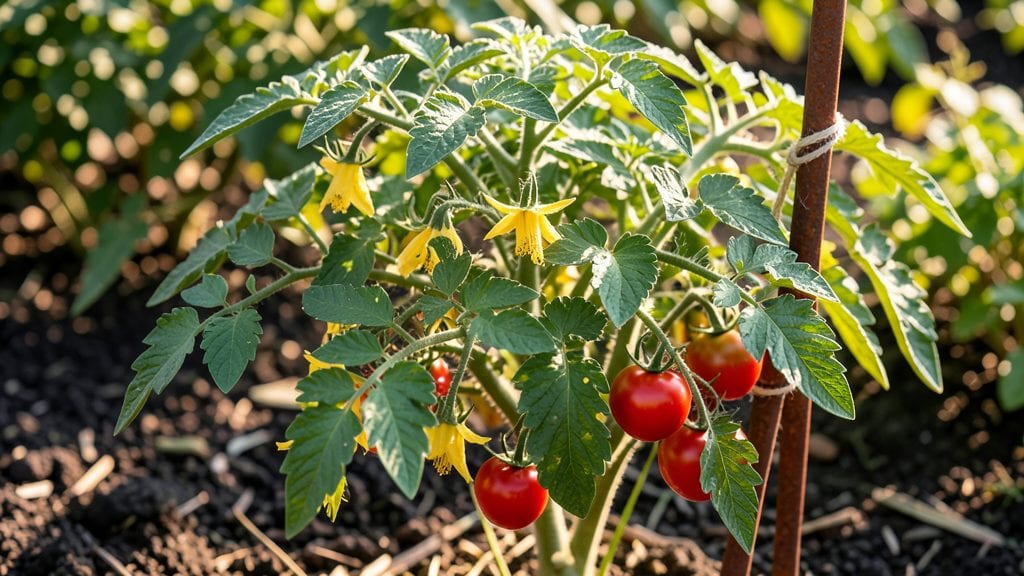
The secret to tomato plant health lies in picking disease-resistant varieties and mastering pruning—two simple tricks that slash pests and skyrocket your harvest. I’ve lost entire plants to blight and wilt, but these tricks turned my struggling tomatoes into the star of my garden.
The secret isn’t complicated: it’s about timing, air flow, and picking plants that fight back naturally.
Disease-resistant varieties like ‘Celebrity’ or ‘Mountain Merit’ handle humidity and rain better than heirlooms, while pruning removes crowded leaves that trap moisture. I prune suckers weekly—those little shoots between stems—and never let branches touch the soil. The payoff? Fewer fungal spots and more fruit by midseason.
You’ll spot healthier plants fast: glossy leaves, strong stems, and flowers that don’t drop off. Even if pests show up, a blast of water or neem oil keeps them in check. The key is acting early—once blight sets in, it’s too late for quick fixes.
Works for backyard gardens, containers, or greenhouses—just adjust pruning based on your space. Let’s get those plants thriving before the first signs of trouble appear.
Root Causes of Tomato Plant Struggles
Understanding why your tomato plants aren’t thriving starts with identifying the hidden triggers behind common issues. Whether it’s wilting leaves, stunted growth, or fruit rot, these problems rarely appear out of nowhere.
Below, we break down the scientific reasons behind the most frequent tomato plant health challenges—so you can tackle them at the source.
Tomatoes are thirsty, but too much water is a silent killer.
When soil stays soggy for too long, roots suffocate from lack of oxygen, leading to: - Root rot (caused by Phytophthora fungi or Pythium), which turns roots black and mushy. - Blossom end rot (a calcium deficiency triggered by inconsistent moisture). - Fungal infections like early blight or gray mold (Botrytis cinerea).
Why it happens:
- Compacted or clay-heavy soil traps water, preventing roots from breathing.
- Overhead watering (especially in the evening) encourages fungal spores to splash onto leaves.
- Lack of mulch causes soil to dry unevenly, stressing plants.
Actionable fix: Use a moisture meter or the "finger test" (stick your finger 1–2 inches into soil—if damp, wait to water).
Tomatoes are heavy feeders, and deficiencies or excesses throw them off balance.
Here’s how: - Nitrogen deficiency (pale yellow leaves) → Stunted growth, weak stems. - Phosphorus deficiency (dark green/purple leaves) → Poor flowering and fruiting. - Potassium deficiency (yellow edges on older leaves) → Weak roots, susceptibility to disease. - Calcium deficiency (blossom end rot) → Poor cell wall structure in new growth.
Why it happens:
- Over-fertilizing with nitrogen (e.g., too much blood meal) promotes leafy growth at the expense of fruit.
- Improper pH levels (ideal: 6.0–6.8) lock out nutrients like iron, manganese, or zinc.
- Soil depletion from repeated planting without compost or organic matter.
Actionable fix: Test your soil and amend with balanced fertilizer (e.g., 5-10-10) or crushed eggshells (for calcium).
Insects and critters don’t just nibble—they transmit diseases and sap energy from your plants.
Common culprits: - Aphids (sap-suckers that spread viral diseases like tomato yellow leaf curl). - Hornworms (devour leaves overnight, leaving behind chewed skeletonized foliage). - Whiteflies (excrete honeydew, fostering sooty mold). - Flea beetles (tiny holes in leaves → bacterial infections).
Why it happens:
- Monoculture gardening (planting only tomatoes attracts pests).
- Weak plants (stressed by drought, poor soil, or overcrowding) are easier targets.
- Lack of beneficial predators (e.g., ladybugs, lacewings) to keep pests in check.
Actionable fix: Introduce row covers early or handpick pests with soapy water. Plant basil or marigolds as natural repellents.
Tomatoes are sensitive to extremes—too much sun, heat, or cold throws them into survival mode.
Watch for: - Sunburn (white/yellow patches on fruit) → High temps + low humidity. - Heat stress (dropped flowers, poor pollination) → Temps above 90°F (32°C). - Cold damage (blackened leaves, stunted growth) → Below 50°F (10°C).
Why it happens:
- Sudden temperature swings disrupt pollination (bees avoid extreme heat).
- Lack of shade cloth in peak summer months.
- Windburn (dries out leaves, making them vulnerable to disease).
Actionable fix: Use shade cloth (30–50%) in scorching climates or mulch heavily to regulate soil temps.
Diseases thrive in moist, warm conditions and spread via contaminated tools, wind, or splashing water.
Key offenders: - Early blight (Alternaria solani) → Brown spots with yellow halos on lower leaves. - Late blight (Phytophthora infestans) → Irregular, greasy-looking lesions (the same pathogen that caused the Irish potato famine!). - Bacterial spot (Xanthomonas) → Tiny water-soaked spots that ooze bacteria.
Why it happens:
- Poor air circulation (crowded plants or tall, unpruned foliage).
- Reusing contaminated soil or tools (sterilize with 10% bleach solution).
- Nighttime watering (keeps leaves wet for 10+ hours, ideal for fungal growth).
Actionable fix: Space plants 18–24 inches apart, water at soil level, and remove infected leaves immediately.
Tomatoes need structure and airflow—without it, they become stressed, disease-prone, and low-yielding.
Common mistakes: - No staking or caging → Leaves drag on wet soil, inviting rot. - Over-pruning → Removing too many leaves reduces photosynthesis. - Succession suckers → Unchecked growth leads to shady fruit (poor flavor and sunscald).
Why it happens:
- Ignoring the "three-leaf rule" (prune only after the plant has 3–4 sets of leaves).
- Using cheap or flimsy supports (stakes bend, cages rust).
- Pruning at the wrong time (late afternoon or during rain increases infection risk).
Actionable fix: Prune early in the day when leaves are dry, and train vines to grow upward with soft ties (not wire, which cuts into stems).
If your tomatoes struggle year after year, the problem might be lingering in the soil.
Common culprits: - Verticillium or Fusarium wilt → Yellowing leaves, wilting (even with water), and vascular discoloration (brown streaks in stems). - Nematodes → Gnarled, stunted roots (microscopic worms that feed on root hairs).
Why it happens:
- Planting tomatoes in the same spot annually (crop rotation is key!).
- Using contaminated compost or manure (sterilize with solarization or steam).
- Poor drainage (wilt fungi thrive in waterlogged conditions).
Actionable fix: Rotate crops every 3 years and plant marigolds (natural nematicide) in the off-season.
Quick Fixes for Sick Tomatoes
When your tomato plants show signs of distress, acting fast can save your harvest—and your sanity. Below are practical, step-by-step solutions for the most common tomato plant health issues, along with prevention tips to keep your garden thriving.
Think of this as your emergency repair manual for leaf spots, wilting, pests, and more.
Fungal infections can turn your lush tomato plants into a sad, spotted mess—but you can still fight back!
🔥 Step 1: Remove the Problem
- Prune infected leaves immediately with sterilized scissors (wipe with rubbing alcohol between cuts).
- Dispose of infected foliage in the trash (not your compost)—fungi love hanging around in yard waste.
- Avoid wetting leaves when watering; aim for the soil instead (use a drip system or soaker hose).
🍳 Step 2: Apply Fungicide
- Baking soda spray (for powdery mildew): Mix 1 tsp baking soda + 1 tbsp vegetable oil + 1 tsp mild soap + 1 gallon water.
Spray every 7–10 days. - Copper fungicide (for early/late blight): Follow label instructions—reapply after rain. - Neem oil (preventative): Spray weekly to deter fungal spores.
🌡️ Step 3: Boost Airflow & Light
- Space plants 18–24 inches apart to improve airflow.
- Prune suckers (those little shoots in leaf axils) to reduce humidity buildup.
- Move plants to full sun (6+ hours daily)—fungi thrive in shady, damp conditions.
💡 Pro Tip: Plant disease-resistant varieties like ‘Mountain Merit’ (early blight-resistant) or ‘Defiant PhR’ (late blight-resistant) next season to skip the drama.
Wilting can mean too much water, too little water, or root rot—here’s how to diagnose and fix it.
👨🍳 Step 1: Check the Soil
- Stick your finger 1–2 inches deep—if it’s soggy, you’re overwatering.
If dry, underwatering’s the culprit. - For root rot (mushy stems, foul smell): - Stop watering immediately. - Repot the plant in fresh, well-draining soil (mix in perlite or sand). - If severely damaged, propagate healthy cuttings from above the rot.
⏰ Step 2: Adjust Your Watering Game
- Water deeply but infrequently—tomatoes hate wet feet but need 1–2 inches of water per week.
- Water in the morning so foliage dries quickly (fungi love nighttime dampness).
- Use mulch (straw or shredded leaves) to retain moisture and regulate soil temp.
🔪 Step 3: Support Weak Plants
- Stake or cage floppy plants to improve airflow.
- Fertilize lightly with a balanced 10-10-10 or fish emulsion to revive growth (but avoid nitrogen-heavy feeds—it encourages leafy growth over fruit).
🎯 Prevention Tip: Test your soil’s drainage—if water pools after 30 minutes, amend with compost or sand.
Pests and nutrient deficiencies can look alike—don’t let them ruin your tomatoes!
🍳 Step 1: Manual Removal (Yes, Really!)
- Handpick hornworms (they’re big and green—easy to spot!). Drop them in soapy water.
- Blast aphids off with a strong spray of water (repeat daily if needed).
- Check undersides of leaves for eggs—remove them before they hatch.
🔥 Step 2: Natural & Chemical Controls
- Neem oil or insecticidal soap (spray at dusk to avoid harming bees).
- Beneficial insects: Release ladybugs or lacewings to eat aphids.
- Row covers (for early pests)—keep them off while plants flower to allow pollination.
🥗 Step 3: Fix Blossom End Rot (Calcium Deficiency)
- Crush eggshells into the soil around the plant (slow-release calcium).
- Apply a calcium supplement like gypsum or lime (follow package rates).
- Keep soil moist but not soggy—fluctuations worsen the issue.
✨ Pro Tip: Rotate crops—don’t plant tomatoes in the same spot yearly to break pest and disease cycles.
If your tomatoes are just stressed or neglected, give them a full reset:
- Trim back dead or yellow leaves (helps the plant focus on new growth).
- Fertilize with a tomato-specific feed (low nitrogen, high potassium/phosphorus).
- Ensure full sun (6+ hours/day)—move plants if shaded by structures or taller crops.
- Check for hidden pests (like spider mites) with a magnifying glass.
💡 Final Reminder: Prevention is easier than cure! Rotate crops, choose resistant varieties, and inspect plants weekly to catch issues early. Your future self (and your dinner plate) will thank you! 🍅🔥
Frequently asked questions
Why are my tomato leaves turning yellow?
Yellowing leaves usually signal overwatering or nutrient deficiencies. Check soil moisture—if soggy, reduce watering. For nitrogen deficiency (lower leaves yellow), use balanced fertilizer (10-10-10). If only older leaves yellow, it's normal aging. Young leaves yellowing with brown edges? That's potassium deficiency—try wood ash or banana peels.
How do I prevent fungal diseases like blight?
Start with disease-resistant varieties like 'Defiant PhR'. Space plants 18-24 inches apart for airflow, water at soil level (never overhead), and remove infected leaves immediately. Apply neem oil weekly as prevention. Mulch with straw to keep soil dry.
Can I save a tomato plant with blossom end rot?
Yes, but act fast! Blossom end rot is a calcium deficiency caused by inconsistent watering. Crush eggshells into soil, apply gypsum, and maintain even moisture. Remove affected fruit to redirect plant energy. For future plants, use calcium-rich fertilizer like 5-10-10.
What's the best way to handle hornworms?
Handpick them at night when they're sluggish—drop them in soapy water. Introduce parasitic wasps (they lay eggs in hornworms) or spray Bt (Bacillus thuringiensis) for organic control. Check undersides of leaves daily for eggs.
How often should I fertilize tomato plants?
Feed every 2-3 weeks starting when flowers appear, using a low-nitrogen (5-10-10) fertilizer. Too much nitrogen = leafy growth, fewer tomatoes. Stop fertilizing 4-6 weeks before harvest to improve flavor. Mix compost into soil at planting for slow-release nutrients.