Watering
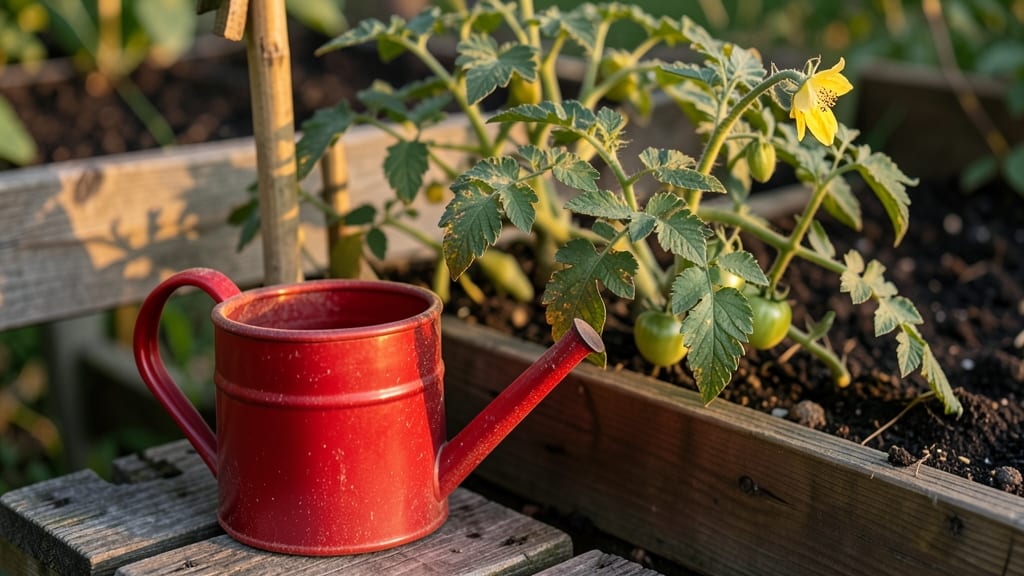
When your tomato plants start looking like they’ve been through a drought, it’s time to act fast. 🌱 I’ve seen firsthand how a single underwatered tomato plant can go from wilting to vibrant in just days with the right approach—no complicated science, just smart watering.
The key is recognizing the signs early: leaves curling at the edges, dry soil that pulls away from the pot, or stems that feel hollow when you squeeze them.
The first fix is simple: water deeply until it runs out the drainage holes, then repeat every 2-3 days in hot weather. Most gardeners make the mistake of light sprinkles—tomatoes need 1-2 inches of water per week to sink deep roots.
Check soil moisture with your finger: if the top 2 inches are dry, it’s time to water again. A soaker hose or drip system makes this foolproof.
Within 3-5 days, you’ll see leaves perk up and new growth emerge. The real secret? Mulch keeps moisture locked in, so spread 2-3 inches of straw or shredded leaves around the base.
This isn’t just about saving plants—it’s about setting them up for bigger yields and fewer future crises. Once you’ve got the rhythm down, your tomatoes will thank you with juicy, vine-ripened fruit.
This works for container tomatoes, in-ground plants, and even balcony gardens—just adjust watering based on pot size. The same rules apply whether you’re in a heatwave or a dry spell. Let’s turn those limp leaves into lush vines before your next harvest.
Root Causes of Tomato Thirst
Underwatered tomato plants don’t just happen by accident—they’re often the result of overlooked environmental or human factors. Understanding these causes is the first step to reviving your plants and preventing future stress. Let’s break down the science behind why your tomatoes might be crying out for hydration.
Tomatoes thrive on consistency, not random watering.
Their deep root systems demand 1–2 inches of water per week, but many gardeners either: - Water too infrequently (e.g., waiting until the soil is bone-dry). - Use shallow watering (only dampening the top inch of soil). - Rely on guesswork instead of tracking soil moisture.
Why it matters: When roots don’t get enough water, they struggle to absorb nutrients, leading to wilting, yellowing leaves, and stunted growth. Tomatoes are 95% water—deprive them, and their cells can’t maintain turgor pressure, causing droop.
💡 Pro Tip: Use a moisture meter or the "finger test" (stick your finger 2 inches into the soil—if it’s dry, water deeply).
Even if you’re watering regularly, clay-heavy or compacted soil acts like a sponge, trapping water just out of reach of tomato roots. Signs of drainage issues include:
- Puddles lingering after watering.
- Soil that stays soggy for days.
- Roots growing upward (a sign of oxygen starvation).
Why it matters: Roots need **both water and air. Compacted soil suffocates them, forcing them to seek moisture near the surface where they’re more vulnerable to evaporation. Over time, this leads to shallow root systems** that can’t support the plant’s needs.
🔥 Fix It: Amend soil with compost or perlite to improve aeration, or plant in raised beds for better control.
Tomatoes in full sun can lose up to a gallon of water per day during peak summer heat. Factors that accelerate evaporation include:
- High temperatures (above 90°F).
- Low humidity (common in desert or urban areas).
- Wind exposure (dries leaves faster).
Why it matters: Plants transpire (release water vapor) through leaves, but if the soil can’t keep up, roots can’t pull enough water to meet demand. This triggers wilting, even if the soil looks moist at the surface.
✨ Solution: Water early morning (before 10 AM) to reduce evaporation, and use mulch (straw or wood chips) to retain moisture.
Tomatoes need space to spread—when planted too closely or pruned aggressively, their roots become stunted and competitive.
Common red flags: - Leaves touching the ground (encourages disease and blocks airflow). - Fruit set is poor (roots can’t support flowering). - Plants look "leggy" (reaching for light instead of growing roots).
Why it matters: A healthy tomato plant develops roots 3–4 feet deep. Crowded plants develop weak, shallow roots that can’t access water deep in the soil, leading to sudden wilting during dry spells.
🌱 Action Step: Prune suckers (side shoots) to encourage stronger root growth, and stake or cage plants to improve air circulation.
Potted tomatoes dry out faster than in-ground plants because:
- Smaller soil volume = less water reserve.
- Plastic pots overheat in sun, increasing evaporation.
- Drainage holes can leach water too quickly if not monitored.
Why it matters: A 5-gallon pot may only hold 2–3 gallons of water, which can evaporate in 2–3 hours on a hot day. Roots in containers can’t seek deeper moisture, leaving plants thirsty.
💧 Container Hack: Use self-watering pots or bury the container halfway in the ground to stabilize temperature and moisture.
Hidden threats like blight, aphids, or root-knot nematodes force plants to divert energy from water absorption. Watch for:
- Yellowing lower leaves (early blight).
- Sticky residue on leaves (aphids).
- Gnarled roots when you check the soil.
Why it matters: Stressed plants close stomata (pores) to conserve water, but this also stops photosynthesis, weakening the plant further. A sick tomato can’t regulate moisture efficiently, leading to false wilting (even when watered).
🛡️ Prevent It: Rotate crops annually, use neem oil for pests, and remove infected leaves immediately.
Too much nitrogen-heavy fertilizer (like blood meal) encourages leafy growth at the expense of roots. While lush foliage looks great, it increases water demand without the root system to support it.
Why it matters: Roots need balanced nutrients (especially phosphorus and potassium) to grow deep. Over-fertilizing can burn roots, reducing their ability to absorb water.
📊 Balance It: Use a low-nitrogen, high-potassium fertilizer (like 5-10-10) during fruiting stages.
Revive Your Tomato Plants Fast
Now that you know the signs and causes of an underwatered tomato plant, it’s time to take action! The good news? Most wilting tomato plants can bounce back with the right care. Below, we’ve mapped out practical fixes for each common cause—plus prevention tips to keep your plants thriving long-term.
Cause: Shallow watering or infrequent hydration leads to dry soil and stressed roots.
Solution:
- 🔥 Water Deeply (Not Just the Surface) – Use a soaker hose or drip irrigation to deliver water 6–8 inches deep into the soil. This encourages roots to grow downward, where moisture is more stable.
- 🍳 Check Soil Moisture – Stick your finger 2 inches into the soil. If it’s dry, water immediately. If damp, wait another day.
- 👨🍳 Time It Right – Water early in the morning (before 10 AM) to reduce evaporation and fungal risks.
Prevention Tip: ✨ Mulch Like a Pro – Apply 2–3 inches of organic mulch (straw, wood chips, or grass clippings) around the base to lock in moisture and regulate soil temperature.
Cause: Inconsistent watering (too much one day, none the next) shocks plants.
Solution:
- 🥘 Stick to a Routine – Tomato plants need 1–1.5 inches of water per week, split into 2–3 sessions (e.g., 3x/week in hot climates, 2x in cooler ones).
- ⏰ Use a Timer – Set up an automatic sprinkler or drip system to avoid forgetfulness. Evenings work if your climate is dry.
- 🔪 Avoid Overhead Watering – Water at the base (not leaves) to prevent disease. If you must use a hose, water slowly to let soil absorb moisture.
Prevention Tip: 💡 Group Plants by Need – If you have other thirsty plants (peppers, cucumbers), water them on the same schedule to streamline care.
Cause: Compacted or sandy soil drains too fast, leaving roots parched.
Solution:
- 🌱 Amend the Soil – Mix in compost, coconut coir, or peat moss to improve water retention. For sandy soil, add hydration crystals (like polyacrylamide).
- 📊 Test Your Soil – If drainage is poor, create raised beds or container setups with well-draining potting mix.
- 🎯 Elevate Containers – If growing in pots, place them on feet or cinder blocks to prevent water pooling at the bottom.
Prevention Tip: 🔥 Use Self-Watering Containers – For potted tomatoes, opt for reservoir-based pots that slowly release moisture.
Cause: Overcrowded or top-heavy plants struggle to absorb water efficiently.
Solution:
- 🔪 Prune Wisely – Remove yellow leaves, suckers (side shoots), and damaged foliage to redirect energy to root recovery.
- 👨🍳 Install Stakes or Cages – Support vining tomatoes with bamboo stakes or tomato cages to improve airflow and water distribution.
- 🥘 Trim Lower Leaves – If leaves touch wet soil, prune them to reduce disease risk while the plant recovers.
Prevention Tip: ✨ Space Plants Properly – Give tomato plants 18–24 inches apart in rows to prevent competition for water and nutrients.
If your tomato plant is completely limp (not just droopy), act fast:
- 💦 Soak the Root Zone – Water deeply for 10–15 minutes, then let excess drain.
- 🌱 Add a Fertilizer Boost – Use a balanced liquid fertilizer (10-10-10) to jumpstart recovery.
- 🌡️ Move to Shade – If wilting is extreme, temporarily shade the plant (50% shade cloth) to reduce stress.
- 🎯 Monitor Daily – Check soil moisture twice a day until leaves perk up (usually 3–5 days).
Warning: If the plant doesn’t revive in 48 hours, it may be beyond saving—consider replacing it and learning from the experience!
Final Thought: Reviving an underwatered tomato plant is all about consistency and patience. Once you adjust your watering habits, your plants will reward you with juicy, flavorful tomatoes all season long! 🍅💦
Frequently asked questions
Why do my tomato leaves curl when they’re thirsty?
Tomato leaves curl upward to reduce water loss through transpiration. When roots can’t pull enough moisture, the plant conserves water by minimizing leaf surface area exposed to air. This is an early warning sign—check soil moisture immediately and water deeply until it drains from the bottom.
Can I save a tomato plant that’s completely wilted?
Yes, but act fast! Immediately soak the root zone for 10-15 minutes, then move the plant to partial shade. Monitor soil moisture twice daily—most plants recover within 3-5 days if roots are still viable. If stems feel hollow when squeezed, the plant is likely beyond saving.
How often should I water potted tomatoes vs. in-ground plants?
Potted tomatoes dry out faster—water when the top 1 inch of soil feels dry (often daily in hot weather). In-ground plants need 1-2 inches per week, split into 2-3 sessions. Use your finger to check: if it’s dry at 2 inches deep, it’s time to water. Containers need more frequent attention due to limited soil volume.
Will mulch really help prevent underwatering?
A 2-3 inch layer of organic mulch (straw or wood chips) locks in moisture by reducing evaporation and regulating soil temperature. It also encourages deeper root growth by keeping soil consistently damp. Apply mulch within 2 weeks of planting for best results.
Can I use ice cubes to revive an underwatered tomato plant?
Ice cubes can help in emergencies by slowly releasing water, but they’re not ideal. Place 2-3 ice cubes at the base of potted plants or in small holes around the root zone. For larger plants, stick to deep watering—ice can create cold pockets that shock roots. This method works best for containers, not in-ground plants.