Flowers
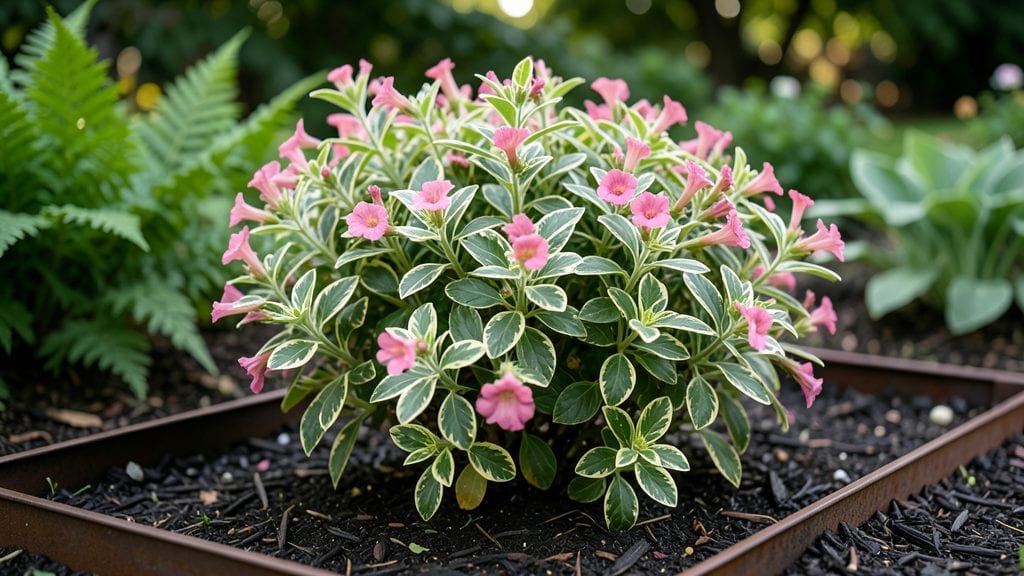
Variegated impatiens plants bring shockingly lush color to shady spots where most flowers refuse to grow. 🌿 I discovered them after struggling to keep annuals alive under my oak tree—until these trailing beauties turned my dark corner into a blooming oasis with almost no effort.
Their creamy-edged leaves and clusters of pink, white, or purple flowers create a cascading effect that’s impossible to ignore.
The secret to their success lies in three simple conditions: bright but indirect light, consistently moist soil, and a container with drainage. Unlike finicky perennials, impatiens thrive in 50-75°F temperatures and even tolerate a bit of humidity.
You’ll find them in nurseries as small plugs or mature plants—either way, they’ll fill containers or garden beds with nonstop blooms from spring until frost.
By mid-summer, your plants will be heavy with flowers and spilling over container edges, creating a velvety curtain of color. Pair them with ferns, hostas, or caladiums for a layered look, or mix in trailing lobelia for extra texture.
The best part? They’re beginner-proof—just keep the soil damp and watch them grow.
Whether you’re dressing up a balcony or brightening a shady border, these plants deliver neighbor-jealousy results with minimal fuss. Here’s how to keep them thriving all season long.
📚 In This Guide
- What you need
- Instructions
- Tips and common mistakes
- Wrapping up and next steps
What you need
- ● Variegated impatiens plants: 3–5 young plants (check for healthy foliage with white/cream variegation).
- ● Containers: 6–12-inch pots with drainage holes (1–2 per plant; terracotta or fabric pots work best).
- ● High-quality potting mix: 2–3 bags of well-draining, peat-based mix (avoid garden soil—it compacts!).
- ● Slow-release fertilizer: 1–2 pellets or granules (look for a 10-10-10 or 14-14-14 blend).
- ● Watering can or spray bottle: For gentle hydration (avoid soggy soil!).
- ○ Gloves: Protect your hands from soil and thorns (optional but handy!).
- ● Trowel or small shovel: For transplanting or mixing soil.
- ○ Mulch (optional): 1–2 inches of shredded bark or coconut coir to retain moisture.
- ○ Plant stakes or cages (optional): If your impatiens grow tall (though they’re usually bushy!).
- ○ Liquid fertilizer (optional): Diluted half-strength every 2–3 weeks for extra blooms.
Step-by-Step instructions for growing variegated impatiens in containers
Here's how to coax vibrant, long-blooming variegated impatiens into thriving container plants.
🌱 Step 1: Select the Right Containers and Soil Mix
Choose 8-10 inch diameter containers with drainage holes—variegated impatiens need well-draining soil to prevent root rot. I recommend terracotta pots because they breathe better than plastic and help regulate soil moisture. Fill each container with a mix of 50% potting soil, 30% perlite, and 20% compost to create a light, airy medium that mimics their native woodland conditions.
Gently fluff the mix with your fingers to eliminate air pockets while maintaining loose structure. The goal is a soil that holds moisture without becoming waterlogged—variegated impatiens wilt dramatically when thirsty but can't tolerate soggy roots. Press down lightly around the edges to create a stable planting surface.
🌿 Step 2: Plant Transplants at Correct Depth
Remove each plant from its nursery container and gently tease apart the roots if they're circling. Position the plant so the top of the root ball sits ½ inch below the container rim—this prevents water from spilling over during irrigation. The variegated foliage should be visible above the soil line, as these plants rely on their striking leaf patterns for sunlight capture.
Fill the remaining space with additional soil mix, pressing lightly around the base to eliminate air gaps. Water thoroughly until moisture runs from the drainage holes, then let excess water drain completely. This initial watering helps settle the soil and removes any air pockets that could stress the roots.
☀️ Step 3: Position for Partial Shade and Consistent Moisture
Place containers in a location receiving morning sun and afternoon shade—variegated impatiens tolerate 2-4 hours of direct sunlight daily but will scorch in hot afternoon rays. I position mine on a covered patio where they get bright, indirect light all day. These plants signal their needs clearly: drooping leaves mean water, while crispy edges indicate too much sun.
Water when the top inch of soil feels dry—typically every 2-3 days in summer, but adjust for your microclimate. I use a watering can with a narrow spout to direct moisture to the soil surface without disturbing the delicate foliage. Always water at the base to prevent fungal issues that variegated impatiens are particularly susceptible to.
✂️ Step 4: Maintain Blooms Through Regular Care
Deadhead spent blooms by pinching off the flower stem just above the next set of leaves. This encourages continuous flowering throughout the season—variegated impatiens reward consistent care with nonstop color. I do this every 3-4 days during peak bloom, which for me runs from early June through September.
Fertilize every 4-6 weeks with a balanced, water-soluble fertilizer diluted to half-strength. The variegated foliage is more sensitive to salt buildup than solid green varieties, so I always rinse the soil surface after fertilizing. You'll notice new growth appearing within a week of feeding, with fresh blooms following shortly after.
🪴 Step 5: Overwinter Care for Next Season
As temperatures drop below 50°F, move containers to a sheltered location receiving bright, indirect light. Reduce watering to every 7-10 days once growth slows in fall. Variegated impatiens are annuals in most climates, but you can extend their life by taking cuttings in early fall and rooting them indoors for next year's plants.
If you're not propagating, let the plants die back naturally and compost the foliage. The following spring, you can start fresh with new transplants—these shade-loving beauties will reward your efforts with vibrant blooms all season long.
Tips & tricks for perfect variegated impatiens in containers
These game-changing insights will help you coax the most vibrant blooms from your variegated impatiens while avoiding common pitfalls that turn beautiful foliage into sad, wilted plants.
Soil Mix Strategy: When mixing your 50% potting soil, 30% perlite, and 20% compost in Step 1, I recommend sifting the potting soil first to eliminate large clumps. This creates an even more airy texture that's crucial for variegated impatiens, whose delicate roots need both moisture retention and oxygen flow. The perlite should look like coarse sand—if it feels gritty, you've got the right texture.
Root Handling Technique: In Step 2, when teasing apart circling roots, work gently but deliberately—these plants have shallow root systems that bruise easily. I find using a chopstick helps separate roots without damaging them. Positioning the root ball just ½ inch below the container rim isn't just about water prevention; it also creates a small reservoir at the edges that helps maintain consistent moisture levels during those critical first few weeks.
Light Positioning Secret: The 2-4 hours of morning sun recommendation in Step 3 is non-negotiable for variegated varieties—their striking foliage patterns actually need some direct light to maintain their color intensity. What often gets overlooked is the afternoon shade requirement. I've seen many gardeners place these in full shade, which results in lush green growth but minimal blooms. The key is bright, indirect light after 10am to protect those delicate variegated leaves from scorching.
Fertilizer Timing: The 4-6 week fertilization schedule works beautifully, but here's what I've learned: always fertilize after watering to prevent root burn. I also recommend using a fertilizer with slightly higher phosphorus content (like 5-10-5) to encourage more blooms rather than foliage. After fertilizing, give the soil surface a thorough rinse to prevent salt buildup, which variegated impatiens are particularly sensitive to compared to solid green varieties.
Pro Tips for Variegated Impatiens Plants
- These game-changing insights will help you coax the most vibrant blooms from your variegated impatiens while avoiding common pitfalls that turn beautiful foliage into sad, wilted plants.
- Soil Mix Strategy: When mixing your 50% potting soil, 30% perlite, and 20% compost in Step 1, I recommend sifting the potting soil first to eliminate large clumps.
- Root Handling Technique: In Step 2, when teasing apart circling roots, work gently but deliberately—these plants have shallow root systems that bruise easily.
Frequently asked questions
How do I keep variegated impatiens from getting leggy?
Variegated impatiens stretch out when they don’t get enough light. Place them in bright, indirect sunlight (like under a tree canopy) and rotate pots weekly for even growth. Prune leggy stems back by 1/3 to encourage bushier, fuller plants. Pro tip: Use a reflective surface (like a white tray) behind pots to boost light exposure!
When is the best time to plant variegated impatiens?
These shade-lovers thrive in spring after the last frost (when soil temps hit 60°F/15°C). For containers, plant them once nighttime temps stay above 50°F (10°C). If you’re in a warm climate, you can also plant them in fall for winter blooms. Warning: They’re not frost-tolerant, so protect them if temps dip below 32°F (0°C).
Why are my variegated impatiens’ leaves turning yellow?
Yellow leaves usually mean overwatering or poor drainage. Let the top inch of soil dry out between waterings, and ensure pots have drainage holes. Check for root rot by gently tugging on stems—if they pull away easily, it’s time to repot in fresh soil. Bonus: Yellowing can also signal nutrient deficiency; try a balanced liquid fertilizer every 4-6 weeks.
Can I grow variegated impatiens in hanging baskets?
They’re perfect for hanging baskets—just use a well-draining mix (like peat moss + perlite) and keep them hydrated. Hang them where they get dappled shade (3-6 hours of indirect light daily). For extra drama, mix them with trailing plants like sweet potato vine or ferns. Remember: Hanging baskets dry out faster, so water them daily in hot weather!
What’s the difference between variegated impatiens and regular impatiens?
Variegated impatiens have striped or splashed leaves (often white, pink, or cream) alongside their classic blooms, while regular impatiens have solid green foliage. Variegated types are more delicate—they need consistent moisture and gentler care to maintain their striking patterns. Fun fact: Their unique leaves make them a showstopper in mixed containers!
Can I save variegated impatiens for next year?
Since they’re annuals in most climates, they won’t survive winter outdoors. However, you can take cuttings in early fall: Snip 3-4 inch stems, dip in rooting hormone, and propagate in water or moist soil. Keep them indoors under grow lights until spring. Alternative: Buy new plants yearly—they’re affordable and easy to find at garden centers!
Wrapping up and next steps
Variegated impatiens are the perfect shade-loving superstars for adding vibrant color to your containers, balconies, or garden nooks! 🌿 Their low-maintenance charm and stunning foliage make them a must-have for any plant enthusiast.
Whether you're a seasoned gardener or just starting out, these beauties will reward you with months of blooms—just give them the right care and a cozy spot to thrive.
Ready to transform your space? Grab your variegated impatiens, follow the tips you’ve learned, and watch your containers burst into life! Next, why not explore companion plants to pair with them or dive into creative container styling ideas? The possibilities are endless!