
Companion Plants
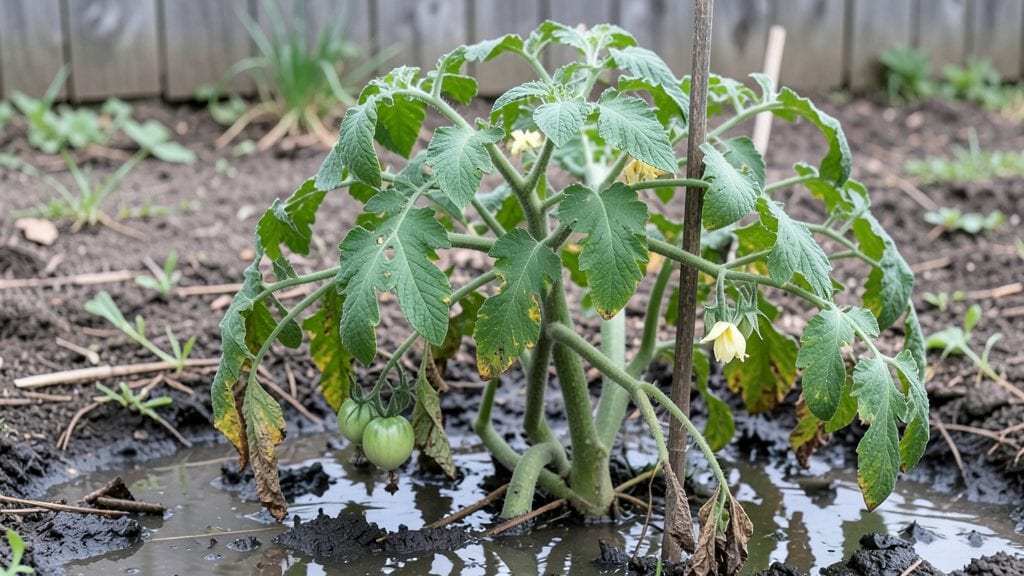
When tomato plants sit in soggy soil for days, their roots suffocate and turn black—waterlogged tomato plants can die within weeks if you don’t act fast. I’ve pulled plants back from the brink using a simple drain-and-save method that works even when the soil feels like mud.
The key isn’t just cutting back on water; it’s giving roots room to breathe again.
First, stop watering entirely until the top 2–3 inches of soil dry out—this prevents further damage while roots recover. Then, loosen compacted soil around the base with a fork or your hands, creating channels for water to escape.
For severe cases, consider mound-pruning: pile soil around the stem to raise the plant slightly, keeping foliage dry. This technique saved my cherry tomatoes last summer after two weeks of relentless rain.
Long-term, amend the soil with compost or perlite to improve drainage, and avoid planting tomatoes in low spots where water pools. Mulch with straw or wood chips to regulate moisture—just keep it 2 inches away from the stem.
With these adjustments, your plants will bounce back with vibrant green leaves and stronger stems within 10–14 days.
If roots smell foul or the plant wobbles easily, root rot may have set in—replace the plant and focus on saving nearby crops. For stubborn cases, professional advice from a local extension office can help diagnose deeper issues. The goal isn’t just survival; it’s revival strong enough to produce fruit.
The Root Causes of Soggy Soil Struggles
When your tomato plants start wilting despite damp soil, the culprit is almost always poor drainage—but the reasons behind it can vary. Understanding these causes helps you fix the issue before it’s too late.
Let’s break down why waterlogged tomato plants lose their vigor, starting with the most common offenders.
Tomatoes need consistent moisture, but too much water—especially in heavy, compacted soil—can drown roots. Here’s why it happens:
- Excessive irrigation: Automated systems (like drip lines or sprinklers) left running too long, or manual watering without checking soil moisture, can saturate the root zone.
- Clay or silt-heavy soil: These soils hold water like a sponge, preventing oxygen from reaching roots. A simple jar test (fill a jar with soil and water, then measure how long it takes to drain) can reveal if your soil is the problem.
- No mulch or poor mulching: Mulch regulates soil temperature and evaporation, but if it’s too thick or made of impermeable materials (like plastic), it traps moisture against the roots.
💡 Pro Tip: Stick your finger 1–2 inches into the soil before watering. If it’s still damp, wait. For clay soil, amend it with compost or perlite to improve aeration.
Healthy soil has pores that allow water to drain while retaining nutrients. When these pores collapse, water pools around roots, cutting off oxygen. Common triggers include:
- Heavy foot traffic: Walking on garden beds compacts soil, reducing pore space. Even light foot traffic (like from kids or pets) can contribute over time.
- Lack of organic matter: Soil rich in organic material (like compost or aged manure) stays loose and drains better. Without it, soil becomes dense and waterlogged.
- Improper tilling: Deep tilling can disrupt soil layers, creating a hardpan (a dense layer) that blocks drainage.
🔥 Fix It: Loosen compacted soil with a broadfork or add 1–2 inches of compost to the top layer. Avoid tilling—it can worsen compaction.
Even potted tomatoes suffer from waterlogging, often due to:
- No drainage holes: Containers without holes act like bathtubs, trapping excess water. Roots suffocate in anaerobic conditions (lack of oxygen), leading to rot.
- Overpotting: A pot too large for the plant’s root system holds excess moisture. For tomatoes, choose containers 12–18 inches deep with space for roots to spread.
- Poor potting mix: Cheap mixes with high peat content retain too much water. Opt for well-draining blends with perlite, vermiculite, or coconut coir.
✨ Quick Check: If your container feels heavy after watering, it’s likely waterlogged. Lift it—if water drips out, the roots are drowning.
Mother Nature plays a big role in waterlogged soil. Watch for these red flags:
- Prolonged rain: Heavy downpours can overwhelm even well-draining soil. If your area gets more than 1 inch of rain in 24 hours, tomatoes may struggle to recover.
- Low-lying garden beds: Water naturally pools in depressions. If your tomato patch is in a low spot, consider raised beds or gentle mounding.
- High humidity: Moist air slows evaporation, keeping soil damp longer. In humid climates, reduce watering frequency and improve airflow with proper spacing.
🌡️ Climate Hack: Use a soil moisture sensor to monitor levels during rainy seasons. Adjust watering based on readings, not guesswork.
Once soil is waterlogged, pathogens thrive. The most damaging culprits for tomatoes are:
- Phytophthora and Pythium: Water molds that attack roots in saturated, warm soil. They spread rapidly, causing roots to turn brown and mushy.
- Fusarium wilt: While often linked to dry conditions, waterlogged stress weakens plants, making them more susceptible to fungal invasion.
- Bacterial soft rot: Bacteria like Erwinia multiply in wet, anaerobic soil, causing roots to collapse.
🚨 Warning Signs: Yellowing leaves, stunted growth, and roots that smell rotten (like a wet newspaper) are clear indicators. Act fast—once roots rot, recovery is difficult.
Now that you know why waterlogged soil sabotages your tomatoes, the next step is reviving them with the Drain-and-Save Technique. The good news? Most plants can bounce back with the right adjustments!
Quick fixes for soggy soil struggles
When your tomato plants are drowning in waterlogged soil, acting fast is key to saving their roots and your harvest. Below are practical, step-by-step solutions tailored to the most common causes—plus prevention tips to keep your plants thriving. No guesswork, just actionable fixes!
Fix: Adjust your watering routine and improve drainage immediately.
- Stop watering until the top 2–3 inches of soil feel dry to the touch (use your finger as a gauge).
- Loosen compacted soil around the base of the plant with a fork or trowel to help air circulate. Be gentle—you don’t want to damage roots!
- Create a drainage trench 6–12 inches away from the plant. Dig a shallow groove (2–3 inches deep) and fill it with gravel or coarse sand to redirect excess water.
- Mulch strategically: Apply a 2–3 inch layer of organic mulch (straw, wood chips, or leaves) away from the stem to prevent future water pooling. Never pile mulch against the trunk—this traps moisture and invites rot.
💡 Pro Tip: Water deeply once every 5–7 days (depending on climate) instead of daily shallow sessions. Early morning is best—soil has time to dry before nighttime humidity sets in.
Fix: Upgrade your soil and container setup for better airflow.
- Raise the plant’s position:
- In-ground gardens: Build a mound or raised bed (12–18 inches high) to elevate roots above the water table.
- Containers: Ensure pots have drainage holes (at least 3–4 per 12-inch pot) and use a cache pot (a larger pot with drainage inside a decorative outer pot) to catch overflow.
- Amend the soil:
- Mix in compost, perlite, or coconut coir (20–30% of the soil volume) to improve aeration.
- For heavy clay soil, add gypsum (1–2 cups per plant) to break up compacted particles over time.
- Install a French drain (for severe cases): Bury a perforated pipe surrounded by gravel in a trench near the plant to channel water away.
✨ Prevention Hack: Test your soil’s drainage by filling a jar with soil and water, then measuring how long it takes to drain. If it’s slower than 30 minutes, amend it!
Fix: Emergency recovery for waterlogged roots.
- Drain excess water ASAP:
- Use a garden hose to siphon standing water from the base.
- For containers, tilt them slightly to let water escape, then prop them back up.
- Prune damaged foliage: Snip off yellow or mushy leaves (sterilize scissors with rubbing alcohol) to redirect energy to root recovery.
- Apply a fungicide (like copper-based spray) to prevent blossom end rot or early blight, which thrive in soggy conditions.
- Wait before fertilizing: Hold off on nitrogen until the soil dries—wet roots can’t absorb nutrients efficiently.
🎯 Long-Term Solution: Plant tomatoes on slopes or berms in your garden to avoid low-lying areas prone to pooling.
Once the soil is drying out, give your tomatoes a boost with these recovery steps: - Root stimulator: Mix a seaweed extract (like MaxSea) or mycorrhizal fungi into water and apply weekly to encourage root growth. - Support the plant: Stake or cage tomatoes to prevent wind or rain from knocking them over as they weaken. - Monitor for pests: Waterlogged stress attracts aphids or whiteflies.
Spray with neem oil if you spot them.
📊 Quick Checklist for Success
| Problem | Immediate Fix | Prevention Step |
|---|---|---|
| Overwatering | Stop watering, loosen soil | Mulch + deep watering schedule |
| Poor drainage | Raise plant, amend soil | Test soil drainage before planting |
| Heavy rain/flooding | Drain water, prune leaves | Plant on slopes or berms |
🚫 What NOT to Do:
- Don’t yank up the plant to "check roots"—this stresses it further.
- Don’t use chemical fertilizers in waterlogged soil (they burn roots).
- Don’t ignore yellowing leaves—act fast to avoid root rot.
With these fixes, your tomatoes should bounce back in 1–2 weeks. Keep an eye on the soil moisture, and soon you’ll be back to enjoying juicy, homegrown tomatoes—not soggy sad plants! 🍅💦
Frequently asked questions
Why do my tomato plants wilt even when the soil feels wet?
Wilted tomato plants in damp soil signal root suffocation from poor drainage. When soil stays soggy, roots can't absorb oxygen, causing them to rot and fail to transport water to leaves. Check for yellowing leaves or a foul smell at the base—these are red flags for waterlogging.
How quickly can waterlogged tomato plants recover?
With immediate action (like improving drainage and stopping watering), most plants show signs of recovery in 7–14 days. Severely damaged roots may take longer or require replanting. Monitor soil moisture daily—roots need time to regrow in well-draining conditions.
Can I save tomato plants with black, mushy roots?
If roots are already black and mushy, the plant is likely beyond saving. However, you can prune healthy stems and replant them as cuttings. For the original plant, focus on preventing spread to nearby crops by removing it entirely and disinfecting the soil.
What’s the best mulch to prevent waterlogging?
Use organic mulches like straw or wood chips (2–3 inches thick) but keep them 2 inches away from the stem. Avoid plastic or thick layers that trap moisture. Straw is ideal—it allows airflow while regulating soil temperature.
Will raising tomato plants in containers prevent waterlogging?
Containers help only if they have drainage holes and use well-draining soil mixes. Add perlite or vermiculite (20% of the mix) to improve airflow. Avoid overpotting—choose containers 12–18 inches deep for mature tomato plants.