
Planting
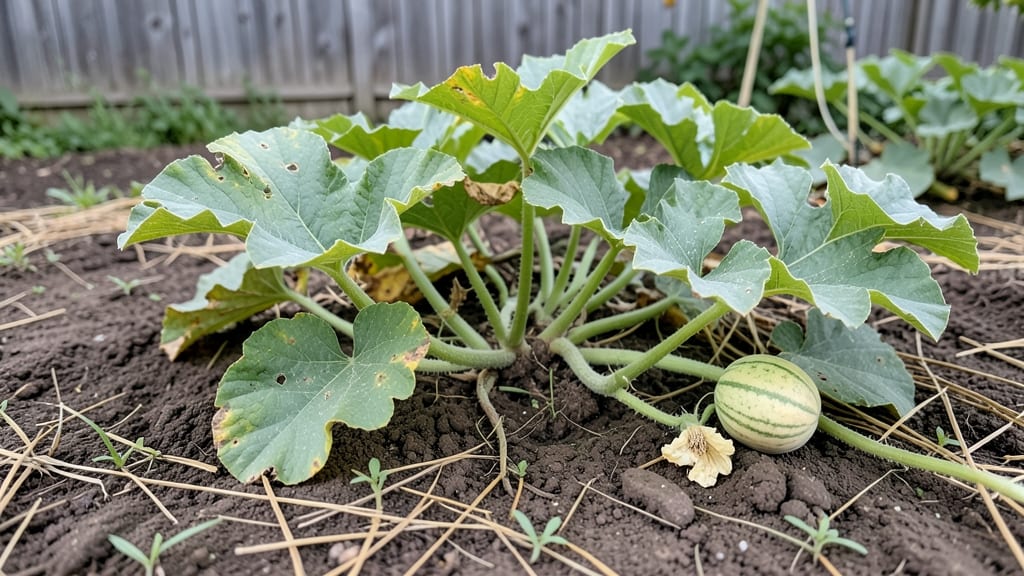
When your yellow watermelon plant leaves start fading instead of thriving, it’s a clear sign something’s off—but don’t panic. I’ve diagnosed and fixed this issue in my own garden, and the key is acting fast before the vines weaken.
Yellowing often points to overwatering, nutrient starvation, or fungal stress, all of which can be reversed with the right steps.
The first step is checking the roots and soil: waterlogged conditions or compacted dirt cut off oxygen, turning leaves yellow. Then inspect the undersides of leaves for powdery mildew or tiny pests like aphids—both common culprits.
A simple soil test (or just sticking your finger in) tells you if moisture or nutrients are the real problem.
Once you identify the issue, solutions are straightforward: adjust watering to let the top inch dry between sessions, add a balanced fertilizer (like 10-10-10), and prune any severely affected leaves to redirect energy. For fungal issues, a baking soda spray (1 teaspoon per quart of water) works wonders.
With quick action, your plants bounce back in 7–10 days, and you’ll still hit that 60-day harvest window. The secret is catching it early—before the yellow spreads. Let’s get your vines back to vibrant green and those watermelons growing fast.
Root Causes Of Leaf Discoloration
Watermelon plants turning yellow—especially when it’s not the ripe fruit you’re after—can signal stress or underlying health issues. Understanding the why behind these color changes is the first step to saving your crop.
Below, we break down the most common culprits, backed by science, so you can diagnose and act fast.
Yellowing leaves often scream, "Feed me!"—but not always in the way you’d expect. Watermelon plants are heavy feeders, and when soil lacks key nutrients, leaves turn yellow as a distress signal.Nitrogen (N) Deficiency:
- What happens: Older leaves (near the base) yellow first, then brown and crisp. This is because nitrogen is mobile in plants—when scarce, the plant "recycles" it from older leaves to new growth.
- Why it happens: Nitrogen fuels leaf growth and chlorophyll production. If your soil is depleted (common in sandy or overworked soil) or if you skipped pre-planting fertilizer, your plant can’t keep up.
- Actionable fix:
- Test your soil (pH 6.0–6.8 is ideal for watermelons).
- Apply a balanced fertilizer (10-10-10 or higher in nitrogen) at planting, then side-dress with compost or blood meal mid-season.
- Use organic options like coffee grounds or alfalfa meal for a slow-release boost.
Magnesium (Mg) Deficiency:
- What happens: Yellowing appears between leaf veins (interveinal chlorosis), starting on older leaves. This is called lime-induced chlorosis if your soil is too alkaline.
- Why it happens: Magnesium is central to chlorophyll. High soil pH (above 7.0) locks out magnesium, even if it’s present. Compacted or waterlogged soil also restricts root uptake.
- Actionable fix:
- Lower soil pH with sulfur or peat moss if it’s too alkaline.
- Apply Epsom salt (magnesium sulfate) as a foliar spray (1 tbsp per gallon of water) or work it into the soil.
- Improve drainage with organic matter like coconut coir.
Iron (Fe) Deficiency:
- What happens: Young leaves turn yellow while veins stay green. This is classic iron chlorosis, often confused with magnesium issues.
- Why it happens: Iron is immobile in plants, so new growth suffers first. Alkaline soil (pH >7.0) makes iron unavailable, even if it’s in the soil. Overwatering or waterlogged roots also block uptake.
- Actionable fix:
- Use chelated iron supplements (like iron sulfate) for a quick fix.
- Add composted manure or worm castings to improve soil structure.
- Plant in raised beds with acidic soil amendments (pine needles, sulfur).
Underwatering:
- What happens: Leaves yellow and crisp along the edges (scorching), often starting on older leaves. The plant wilts slightly, especially in the afternoon.
- Why it happens: Watermelons need 1–2 inches of water per week, more in heatwaves. Shallow root systems (common in sandy soil) can’t reach moisture deep enough.
- Actionable fix:
- Water deeply 2–3 times per week (early morning is best) to encourage root growth.
- Mulch with straw or wood chips to retain moisture and cool roots.
- Avoid overhead watering—it causes fungal diseases and evaporates quickly.
Overwatering:
- What happens: Leaves yellow uniformly (not just edges) and feel spongy. Roots may rot, leading to wilting despite wet soil.
- Why it happens: Watermelons need well-draining soil. Compacted clay or containers without drainage holes trap water, suffocating roots and blocking oxygen.
- Actionable fix:
- Let the top 1–2 inches of soil dry out between waterings.
- Amend heavy soil with perlite or vermiculite for aeration.
- Ensure containers have drainage holes and elevate pots to prevent soggy roots.
Spider Mites:
- What happens: Leaves develop bronze or yellow stippling (tiny speckles) as mites suck sap. Severe infestations cause webbing on undersides.
- Why it happens: These pests thrive in dry, hot conditions and multiply rapidly on stressed plants (hello, underwatering!).
- Actionable fix:
- Blast mites off with a strong spray of water (early morning).
- Use neem oil or insecticidal soap (follow label rates).
- Introduce predator mites or ladybugs for biological control.
Fungal Infections (e.g., Powdery Mildew):
- What happens: Yellow patches appear on upper leaves, often with a white powdery coating. Leaves may curl or drop prematurely.
- Why it happens: Fungi love humid, crowded conditions and poor airflow. Overhead watering or dense plantings create the perfect breeding ground.
- Actionable fix:
- Space plants 3–4 feet apart for airflow.
- Water at the base (not leaves) and avoid evening watering.
- Apply baking soda spray (1 tsp baking soda + 1 tsp soap + 1 gallon water) weekly.
Heat Stress:
- What happens: Leaves yellow and scorch (especially on the edges) during prolonged heatwaves (>90°F). Growth may slow, and flowers may drop.
- Why it happens: Watermelons thrive in warmth (70–90°F), but extreme heat disrupts photosynthesis and causes water loss faster than roots can replace it.
- Actionable fix:
- Provide shade cloth (30–50%) during peak afternoon heat.
- Mulch heavily to keep roots cool and retain moisture.
- Water early in the morning to reduce evaporation.
When your watermelon plant turns yellow, it’s not always a death sentence—just a cry for help! 🌱 With the right fixes, you can nurse it back to health and even prevent future issues. Below are practical, step-by-step solutions tailored to common causes, plus pro tips to keep your vines thriving. Signs: Yellowing leaves, mushy stems, or wilting despite wet soil. How to Fix It:
💧 Step 1: Check the Soil
Use your finger to test moisture 1–2 inches deep. If it’s soggy, your plant is drowning. Watermelons hate "wet feet"—excess water cuts off oxygen, leading to root rot. 🌱 Step 2: Adjust Your Watering Routine 🔄 Step 3: Prune Damaged Roots (If Needed)
Gently loosen the soil around the base and trim any black, mushy roots with sterilized scissors. Replant with fresh, well-draining soil. 💡 Prevention Tips:
✔ Use containers with drainage holes if growing in pots.
✔ Mulch (2–3 inches of straw or wood chips) to retain moisture without over-saturating soil.
✔ Avoid watering at night—wet leaves encourage mold. Signs: Yellowing between leaf veins (magnesium), pale yellow leaves (nitrogen), or yellowing new growth (iron). How to Fix It:
🌿 Step 1: Test Your Soil
A simple DIY soil test kit (or send a sample to a local extension office) reveals what’s missing. Watermelons love balanced NPK (10-10-10) with extra magnesium or iron if needed. 💊 Step 2: Fertilize Smartly 🌱 Step 3: Boost Microbes
Healthy soil = happy plants! Mix in worm castings or mycorrhizal fungi to improve nutrient absorption. 💡 Prevention Tips:
✔ Rotate crops—don’t plant watermelons in the same spot yearly.
✔ Side-dress with compost mid-season for a slow-release boost.
✔ Avoid over-fertilizing—too much salt burns roots! Signs: Sticky leaves (aphids), white powdery coating (mildew), or crinkled yellow leaves (viral). How to Fix It:
🐜 Step 1: Identify the Culprit 🛡️ Step 2: Treat Accordingly 🌿 Step 3: Strengthen the Plant 💡 Prevention Tips:
✔ Rotate crops to break pest/disease cycles.
✔ Space plants 3–4 feet apart for airflow.
✔ Use reflective mulch (like aluminum foil) to deter pests. Signs: Sudden yellowing after hot days or post-transplanting, with crispy edges. How to Fix It:
🌞 Step 1: Provide Shade
Use shade cloth (30–50%) or a lightweight row cover during peak sun (10 AM–4 PM). 💧 Step 2: Hydrate & Cool Roots 🌱 Step 3: Acclimate Gradually
If transplanting, harden off seedlings (expose to outdoor conditions for 1–2 weeks before planting). 💡 Prevention Tips:
✔ Plant in late spring after soil warms to 70°F+.
✔ Use black plastic mulch to absorb heat and protect roots.
✔ Avoid transplanting in extreme heat—opt for cooler mornings. Signs: Yellowing from the bottom up, stunted growth, or roots circling in pots. How to Fix It:
🪴 Step 1: Repot (If in Containers) 🌱 Step 2: Aerate the Soil 💡 Prevention Tips:
✔ Use raised beds for better drainage.
✔ Avoid walking on soil near plants to prevent compaction.
✔ Mulch heavily to protect roots from foot traffic. Final Pro Tip: 🌟 Monitor daily! Check leaves, soil moisture, and pests weekly. A little attention now means sweet, juicy watermelons in 60 days! 🍉✨ This classic sign usually means nitrogen deficiency or root stress. Older leaves yellow first because the plant recycles nitrogen from them to support new growth. Check soil moisture—overwatering or compacted roots can block nutrient uptake. Try a balanced fertilizer (like 10-10-10) and improve drainage with compost. This interveinal chlorosis points to magnesium or iron deficiency. If your soil is alkaline (pH >7.0), these nutrients become unavailable. Test your soil and apply Epsom salt (1 tbsp/gallon) for magnesium or chelated iron for quick results. Amend soil with peat moss if pH is too high. Yes! First, let the top 1–2 inches of soil dry out between waterings. Prune any mushy roots and repot with fresh, well-draining soil if needed. Mulch with straw to regulate moisture, and water only at the base in the morning. With proper care, new growth should return in 7–10 days. Check leaf undersides for tiny webs (spider mites) or white powder (powdery mildew). Sticky leaves mean aphids. For pests, spray with neem oil or introduce ladybugs. For mildew, use a baking soda spray (1 tsp baking soda + 1 quart water) weekly. Remove severely infected leaves immediately. Mild yellowing won’t stop fruit production, but severe cases can reduce yield. Focus on fixing the root cause (nutrients, water, or pests) within 1–2 weeks. Once leaves regain color, your plant will redirect energy to vines and fruit. Harvest any ripe melons early—they won’t get sweeter once picked!Revive Your Watermelon Patch
Frequently asked questions about reviving your watermelon patch
Why are my watermelon leaves turning yellow from the bottom up?
What does yellowing between leaf veins mean?
Can I save my watermelon plant if the yellowing is from overwatering?
How do I tell if my yellow leaves are from pests or disease?
Will my watermelons still grow if the leaves are yellow?