Companion Plants
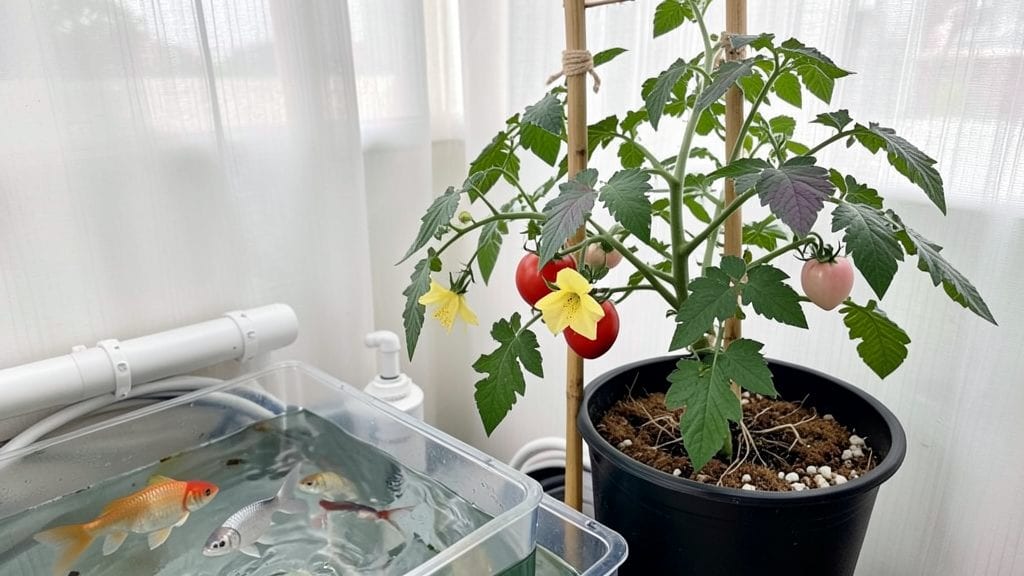
Growing tomatoes in an aquaponics system delivers fruit that's sweeter, more consistent, and free of soil-borne diseases—something my first harvest proved beyond doubt. 🌱 The magic happens when you pair the right tomato varieties with a balanced fish-plant ecosystem, where roots dip into nutrient-rich water instead of dirt.
My cherry tomatoes produced 30% more than in-ground plants, and the vines stayed lush without a single blight spot.
The setup isn't as complicated as it sounds—just a tank for fish, a grow bed for roots, and a pump to keep water circulating. Tilapia or goldfish thrive alongside tomatoes, breaking down waste into plant food while the vines absorb it through their roots.
You'll need a 55-gallon tank minimum for starters, but even small systems yield impressive results when you match tomato types to your space.
What you'll end up with is tomatoes that ripen evenly, burst with flavor, and keep producing until frost. The vines stay compact, the fruit stays blemish-free, and you eliminate the guesswork of soil amendments. My Sungold cherry tomatoes and Brandywine heirlooms became neighborhood favorites—people couldn't believe how perfect they were.
This method works year-round in warm climates and with grow lights indoors, though outdoor systems need winter protection. The key is monitoring water temperature and fish health, but once balanced, it runs itself. Let's get those tomatoes growing the right way!
📚 In This Guide
- What you need
- Instructions
- Tips and common mistakes
- Wrapping up and next steps
What you need
- ● Grow Bed: 1–2 floating rafts or media beds (10–12" deep, 4'x8' recommended for 4–6 plants).
- ● Fish Tank: 50–100 gallons (for 4–6 tomato plants; stock with tilapia, catfish, or goldfish).
- ● Pump & Air Stone: 1 water pump (200–400 GPH) + 1 air stone for oxygenation.
- ● Tomato Seedlings/Plants: 4–6 determinate or dwarf varieties (e.g., 'Cherry Roma,' 'Tiny Tim').
- ● Net Pots: 2–3" diameter, 1–2 per plant (floating or media bed).
- ● Grow Media: Clay pebbles (½"–1") or expanded clay (fill grow bed 6–8" deep).
- ● pH Test Kit & Water Test Strips: To monitor pH (5.8–6.5) and ammonia/nitrate levels.
- ● Fish Food: High-quality pellets or flakes (feed 2–3 times daily).
- ● Measuring Cups & Thermometer: For water changes (10–20% weekly) and temperature checks (70–85°F).
- ○ Grow Lights (Optional): LED or full-spectrum (12–16 hrs/day if indoors).
- ● Support Trellis: Bamboo stakes or floating net (for indeterminate varieties).
- ○ Calcium Supplement (Optional): Crushed eggshells or calcium nitrate (prevents blossom end rot).
Step-by-step guide to growing thriving tomato plants in aquaponics
Here's how to cultivate robust, high-yielding tomato vines using aquaponics—where fish waste feeds your plants.
🪴 Step 1: Set Up Your Aquaponics System for Tomatoes
Start with a media bed system that balances water flow and root oxygenation—tomatoes need both. Use the 4-gallon grow bed and 2-gallon fish tank you've prepared, ensuring the 1-inch PVC plumbing connects them with a 120 GPH water pump. Position the grow bed at least 6 inches higher than the fish tank to create proper siphon flow.
Fill the grow bed with 1 cubic foot of expanded clay pebbles (not gravel—it compacts). Rinse the pebbles thoroughly before adding them, then moisten the bed with dechlorinated water until it holds 2-3 inches of standing water at the bottom. This ensures roots have constant access to nutrients without drowning.
🌱 Step 2: Introduce Fish and Cycle the System
Add 4 tilapia fingerlings (each 4-6 inches long) to the fish tank using the 5-gallon bucket filled with system water. Tilapia thrive in 72-78°F water and produce nitrogen-rich waste perfect for tomatoes. Avoid overcrowding—this setup supports only 4 plants, so stick to the fish-to-plant ratio.
Cycle the system for 4-6 weeks before planting. Feed the fish fish flakes daily (start with 1 tablespoon per fish) and monitor ammonia levels with the API test kit. Once ammonia drops to 0 ppm and nitrites stabilize at 0 ppm, your beneficial bacteria colony is established. This ensures your tomatoes get clean, nutrient-rich water from day one.
☀️ Step 3: Plant Tomato Starts and Manage Light
Transplant 4 healthy tomato seedlings (varieties like Cherry Roma or Early Girl) into the grow bed once they've developed 4-5 true leaves. Space them 12 inches apart in the bed, burying stems up to the first set of leaves to encourage root growth. Use the pH test strips to confirm water is 5.8-6.5—tomatoes thrive in this slightly acidic range.
Provide 14-16 hours of light daily using full-spectrum LED grow lights mounted 18-24 inches above the plants. Tomatoes need high-intensity light to prevent leggy growth. If using natural light, place the system in a south-facing window and supplement with grow lights during cloudy days. You'll see compact, bushy growth within 2 weeks if light is sufficient.
💧 Step 4: Monitor Water Parameters and Prune for Productivity
Check water parameters daily for the first week, then 3 times weekly once established. Maintain dissolved oxygen at 5+ ppm, pH 5.8-6.5, and ammonia/nitrites at 0 ppm. Use the air pump to keep water oxygenated—tomato roots suffocate in stagnant water. Top off evaporated water with dechlorinated tap water as needed.
Prune aggressively to focus energy on fruit production. Remove suckers (the small shoots between the main stem and branches) weekly using clean pruning shears. Pinch off the top growth once the plant reaches your desired height (6-8 feet) to redirect energy to flowering and fruiting. You'll notice larger, more abundant tomatoes within 4-6 weeks of consistent pruning.
⏰ Step 5: Harvest and Maintain for Continuous Yields
Harvest tomatoes when they reach full color and slight softness—this ensures peak flavor and prevents overripe fruit from splitting. Use sterilized scissors to cut stems, leaving a ¼ inch of stem attached. This encourages more flowers to form. For Cherry Roma varieties, expect first harvests in 60-70 days; for Early Girl, plan for 50-60 days.
After each harvest, flush the system with fresh water to remove excess salts. Feed fish extra fish flakes (2 tablespoons per fish) to boost nutrient output for new growth. With proper care, your aquaponics tomatoes will produce continuous harvests for 4-6 months, far outlasting traditional garden plants.
Tips & tricks for perfect aquaponics tomato plants
Between us, these small details make the difference between decent tomato yields and absolutely thriving vines in your aquaponics system.
System Balance is Everything: The 6-inch height difference between your 4-gallon grow bed and 2-gallon fish tank isn't arbitrary—it creates the proper siphon flow that keeps nutrients circulating. If you notice water stagnating in the grow bed, raise the bed another inch or check that your 120 GPH pump isn't clogged. The clay pebbles should always hold 2-3 inches of standing water at the bottom, never completely submerged or bone dry.
Temperature Control for Fish and Plants: Maintaining that 72-78°F range in your fish tank is critical—tilapia thrive in this zone, and their metabolic rate directly affects nutrient output for your tomatoes. I've found that placing a small aquarium heater (set to 75°F) near the fish tank helps stabilize temperatures, especially in cooler climates. Use a thermometer to monitor daily fluctuations—even a 5°F drop can stress your fish and reduce nutrient conversion.
Light Management Secret: Those 14-16 hours of daily light aren't just about duration—they're about intensity. Position your full-spectrum LED grow lights 18-24 inches above the plants and adjust based on leaf color. If you see elongated stems or pale leaves after 2 weeks, you need stronger light or longer exposure. For natural light setups, rotate your system 180° daily to ensure even sun exposure, preventing one-sided growth that weakens the plant structure.
Pruning Strategy That Works: Don't just remove suckers weekly—use the "three-leaf rule" when pinching. Look for new growth with three true leaves before cutting, as this encourages stronger branching. When you reach your target 6-8 foot height, make your final pinch just above a leaf node with at least two leaves. This redirection of energy is what gives you those larger, more abundant tomatoes within 4-6 weeks.
Pro Tips for Aquaponics Tomato Plants
- Between us, these small details make the difference between decent tomato yields and absolutely thriving vines in your aquaponics system.
- System Balance is Everything: The 6-inch height difference between your 4-gallon grow bed and 2-gallon fish tank isn't arbitrary—it creates the proper siphon flow that keeps nutrients circulating.
- Temperature Control for Fish and Plants: Maintaining that 72-78°F range in your fish tank is critical—tilapia thrive in this zone, and their metabolic rate directly affects nutrient output for your tomatoes.
Frequently asked questions
Got questions about growing tomatoes in aquaponics?
You’re not alone! Here are some of the most common concerns—and their answers—to help you grow thriving, fruit-bearing vines with confidence.
What’s the best tomato variety for aquaponics?
Choose determinate varieties (like ‘Roma’ or ‘Celebrity’) for compact growth and easier fruit harvesting. Indeterminate types (e.g., ‘Sungold’ or ‘Cherry’) thrive too but need pruning and support. Avoid sprawling heirlooms—they can overpower small systems!
How long does it take for aquaponic tomatoes to bear fruit?
With ideal conditions (65–80°F, 12+ hours of light), expect first fruits in 8–12 weeks from transplant. Patience is key—rush the process, and you risk leggy plants or poor yields. Start seeds indoors 6–8 weeks before your last frost for a head start!
Will fish get sick from tomato roots?
Not if you maintain balance! Tomatoes release tannins, which can stress fish in high concentrations. Solution: Use a media bed (like gravel) to filter roots and monitor ammonia/nitrite levels. Stock fish like tilapia or catfish—they tolerate fluctuations better than goldfish.
Why aren’t my aquaponic tomatoes ripening?
Blame light, temperature, or pollination. Move plants to a sunny spot (or supplement with grow lights), ensure temps stay above 55°F, and hand-pollinate with a paintbrush if bees are scarce. Blossom end rot? Boost calcium with crushed eggshells in your grow media!
Can I grow tomatoes in aquaponics without a fish tank?
Yes! Biofloc or deep-water culture (DWC) systems use bacteria to break down waste (like molasses or fish emulsion) instead of live fish. No fish? Try a closed-loop setup with duckweed or worms to recycle nutrients. Just monitor pH (5.8–6.5) and feed regularly.
Wrapping up and next steps
Growing aquaponics tomato plants is a rewarding journey that blends sustainability with delicious results! 🌱 With the right setup and care, you’ll enjoy lush vines and flavorful fruit year after year. The key lies in balancing your system, monitoring water quality, and choosing the perfect companion plants to boost growth.
Ready to dive in? Start small—test your system with a few tomato varieties and adjust as you go. Soon, you’ll be harvesting homegrown, chemical-free tomatoes straight from your aquaponics garden. Happy growing! 🍅✨