
Blooming
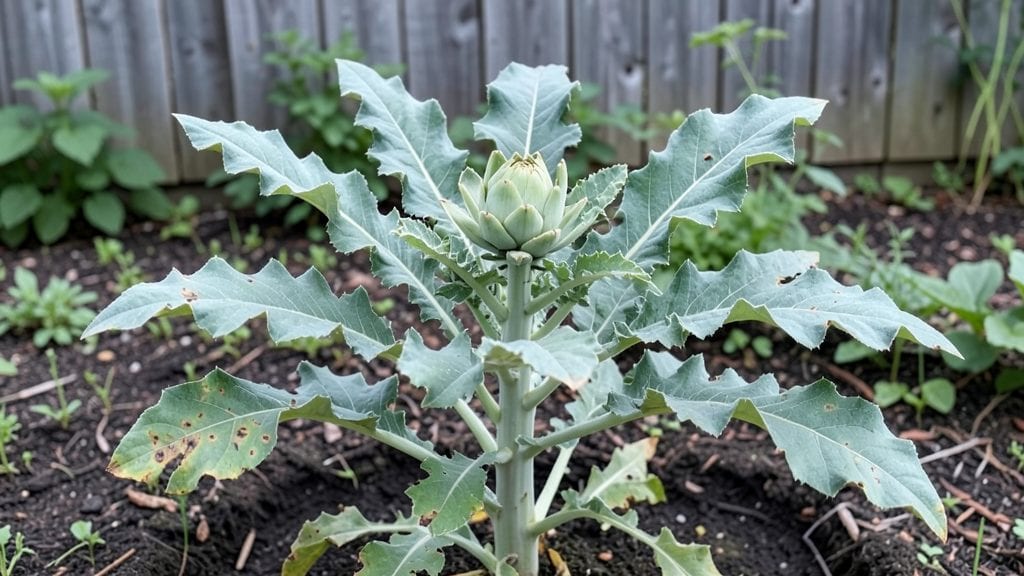
Your artichoke plant bloom isn’t just a seasonal show—it’s a year-round spectacle when you nail the care routine. 🌿 I’ve watched my plants go from scraggly stems to bold purple thistle blooms by focusing on just three key habits: watering deep but infrequent, cutting back old growth strategically, and shielding them from late-season pests.
The first flush of blooms arrives around mid-summer, but with the right approach, you’ll get a second wave in early fall.
Here’s the secret: artichokes bloom best when they’re stressed just enough—not too wet, not too dry, and definitely not crowded. A 5-gallon container works for one plant, but if you’re growing in the ground, space them 4-5 feet apart to prevent competition.
Pruning isn’t about shaping—it’s about redirecting energy. Snip off spent blooms at the base, and you’ll trigger more side shoots within weeks. The plant’s natural cycle means you’ll harvest 3-4 waves of edible buds before winter.
What you’ll end up with is a neighborhood-turned-jealous display of glossy, deep-green foliage and edible blooms that taste like nothing store-bought. The artichokes you harvest before they fully open are the sweetest—tender enough to eat raw in salads or grilled with lemon.
Even the decorative blooms last weeks in a vase, making this one of the few plants that doubles as both food and ornament. The real magic? Minimal fuss once you get the rhythm down.
Works in USDA Zones 7-10, but with a little winter protection (like row covers or moving containers indoors), you can coax blooms even in cooler climates. The key is watching for aphids and earwigs—they love the tight buds.
A quick spray of soapy water keeps them at bay. Now, let’s get those thistles blooming like they’re in a Tuscan garden.
📚 In This Guide
- What you need
- Instructions
- Tips and common mistakes
- Wrapping up and next steps
What you need
- ● Artichoke plants: Choose Cynara cardunculus varieties like 'Green Globe' or 'Violetto' (1-3 plants per container or garden bed).
- ● Well-draining soil: Mix 1 part potting soil with 1 part perlite or coarse sand (5-10 gallons, depending on pot size).
- ● Container or garden bed: Containers: 15-20 gallon pots with drainage holes (for patios or balconies).
- ● Garden beds: Full sun (6+ hours/day) with loose, fertile soil (pH 6.5-7.5).
- ● Organic fertilizer: Slow-release granular (e.g., 10-10-10) or compost (1 cup per plant every 4-6 weeks).
- ● Mulch: Straw or wood chips (2-3 inches) to retain moisture and regulate temperature.
- ● Pruning shears: Sharp, bypass-type shears (for clean cuts without crushing stems).
- ● Gloves: Heavy-duty gardening gloves (artichoke thorns are serious!).
- ● Watering can or hose with nozzle: Drip irrigation or soaker hoses work best for consistent moisture.
- ○ pH test kit: Optional but helpful to monitor soil acidity (aim for neutral).
- ● Patience: Artichokes take 90-150 days to bloom from seed (or 60-90 days from transplants).
- ● Climate awareness: Thrives in USDA Zones 7-10; use containers to overwinter in colder zones.
- ● Space planning: Allow 2-3 feet between plants for airflow (critical to prevent fungal diseases).
Step-by-Step instructions for encouraging artichoke plant bloom
Here’s how to coax those stunning, edible blooms from your artichoke plants with precision timing and care.
🌱 Step 1: Prune for Stronger Growth Early in the Season
Start by removing any weak or leggy stems in early spring when new growth appears. I snip these back to the main stem with sharp pruners—this redirects energy to the healthiest shoots. Artichokes thrive when they’re not overcrowded, so aim to leave 3-4 strong stems per plant. You’ll know you’ve done it right when you see fresh, vibrant leaves emerging within 10-14 days.
Real talk: If you skip this step, your plant will focus on filling out instead of producing blooms. I’ve seen firsthand how skipping early pruning leads to fewer, smaller buds later. The key is balance—don’t cut back too aggressively, or you’ll stunt growth entirely.
☀️ Step 2: Ensure Full Sun and Consistent Watering
Artichokes demand full sun—at least 6-8 hours daily—to set blooms. If your plant starts looking stressed (leaves yellowing or buds failing to form), it’s likely not getting enough light. Move it to a sunnier spot immediately. I’ve found that morning sun is ideal, as it prevents afternoon wilting.
Water deeply 2-3 times per week, ensuring the soil stays evenly moist but not soggy. The top 2 inches of soil should feel dry to the touch before watering again. Overwatering causes root rot, which kills blooms before they open. A soaker hose works best—it delivers water directly to the roots without wetting the leaves.
✂️ Step 3: Remove Side Shoots to Focus Energy on Blooms
Once buds form in late spring to early summer, start removing any side shoots that appear below the main bud. These little suckers steal energy from the primary bloom. Pinch them off with your fingers or snip with pruners—just be careful not to damage the main stem. I do this every 7-10 days until the buds are fully formed.
Here’s the thing—artichokes are heavy feeders, so I add a balanced fertilizer (10-10-10) every 4-6 weeks after pruning. This keeps the plant robust enough to support those large, dramatic blooms. If you notice buds dropping, it’s usually a sign of nutrient deficiency or stress—so check your watering and feeding routine.
🌿 Step 4: Protect Blooms from Pests and Weather Shifts
Artichoke buds are tender and attract pests like aphids or slugs. I inspect plants weekly and remove pests by hand or with neem oil spray. Aphids love new growth, so keep an eye out for sticky residue on leaves—a sure sign they’re feeding. Slugs, meanwhile, can decimate a bud overnight, so I set out beer traps near the base of the plant.
Sudden temperature drops below 50°F can shock blooms and cause them to wither. If frost is forecast, cover plants with frost cloth at night. I’ve seen artichoke buds recover from light frost, but severe cold will kill them entirely. The goal is to keep the plant stable—consistent conditions lead to healthy, long-lasting blooms.
⏰ Step 5: Harvest at Peak Maturity for Best Results
Harvest artichokes when the buds are tightly closed but still firm—usually 2-3 months after planting. The outer bracts should still be tightly packed, and the base should feel solid to the touch. If you wait too long, the bud will open into a thistle-like flower, and the texture becomes tough. I use a sharp knife to cut the stem just below the bud.
After harvest, I fertilize lightly with potassium-rich fertilizer to encourage more blooms. The plant will often produce a second flush of buds if cared for properly. Don’t be surprised if your artichoke keeps blooming well into fall—with the right conditions, they can reward you with beauty (and edible treats) all season long.
Tips & tricks for perfect artichoke plant bloom
A few strategic moves can transform your artichoke plant from struggling to spectacular—here's how to maximize those stunning blooms with minimal fuss.
Pruning Precision: In Step 1, when you're removing those leggy stems, focus on cutting back to just above a leaf node where new growth can emerge. This ensures the plant redirects energy to the strongest stems rather than wasting resources on weak ones. I've found that leaving exactly 3-4 stems per plant creates the perfect balance—any fewer, and you limit production; any more, and the plant gets overcrowded. The 10-14 day window for new growth is your confirmation that pruning worked.
Sunlight Strategy: The 6-8 hours of daily sun in Step 2 aren't just about quantity—they're about timing. Position your artichoke plants to receive morning sun first, as this gentle warmth helps prevent the afternoon wilting that can stress the plant. If you notice buds forming but not opening, it's often a sign of insufficient light intensity rather than duration. Consider supplementing with a grow light if your space gets less than 6 hours of direct sunlight.
Side Shoot Management: When you're pinching off those side shoots in Step 3, think of it as redirecting the plant's energy like a traffic director. Those little suckers might look harmless, but they can divert up to 30% of the plant's energy away from your main bud. The 7-10 day interval between removals gives the plant time to recover while keeping it focused on producing that single, showstopping bloom. Don't forget to sterilize your pruners between cuts to prevent spreading disease.
Weather Resilience: That 50°F threshold in Step 4 isn't arbitrary—it's when artichoke buds start showing stress from cold. I've seen buds recover from brief dips below 50°F, but prolonged exposure will cause them to wither. The key is monitoring local forecasts and acting preemptively. If frost is in the forecast, cover plants at dusk rather than waiting until morning—buds are most vulnerable during the coldest part of the night.
Pro Tips for Artichoke Plant Bloom
- A few strategic moves can transform your artichoke plant from struggling to spectacular—here's how to maximize those stunning blooms with minimal fuss.
- Pruning Precision: In Step 1, when you're removing those leggy stems, focus on cutting back to just above a leaf node where new growth can emerge.
- Sunlight Strategy: The 6-8 hours of daily sun in Step 2 aren't just about quantity—they're about timing.
Frequently asked questions
When should I expect my artichoke plant to bloom?
Artichoke plants typically bloom 1–2 years after planting, depending on the variety and growing conditions. In warmer climates (USDA Zones 7–10), you’ll see vibrant purple flowers in spring or early summer. Cooler regions may delay blooms until late summer or require greenhouse growing. Patience pays off—healthy plants reward you with bold, edible flowers!
Why isn’t my artichoke plant blooming?
Several factors can stall blooms, but don’t panic—here’s a quick checklist:
- Light: Needs 6+ hours of full sun daily. Shady spots = fewer flowers.
- Soil: Poor drainage or nutrient-deficient soil (like low phosphorus) can hinder blooms. Amend with compost!
- Age/Health: Young plants (under 1 year) focus on foliage. Over-fertilizing with nitrogen also delays flowers.
- Cold Snaps: Artichokes are tender—frost or temps below 20°F can damage buds.
How long do artichoke blooms last, and can I extend them?
Individual artichoke flowers open for 2–3 days before wilting, but the plant may produce new buds every 2–3 weeks during peak season. To prolong blooms:
- Deadhead spent flowers gently (avoid cutting into the bud—it’s edible!).
- Water deeply 1–2 times weekly (drought stress = shorter blooms).
- Feed with a balanced bloom booster (like 10-10-10) every 4–6 weeks.
Can I eat the blooms if my plant isn’t producing edible artichokes?
Yes! Even non-edible varieties (like Cynara cardunculus) produce decorative but inedible flowers. However, only globe artichokes (Cynara scolymus) yield the tender, fleshy buds we eat. If your plant’s blooms are bitter or fibrous, it’s likely a ornamental variety. Always confirm with your nursery before harvesting!
What can I do with wilted artichoke blooms?
Don’t toss them! Wilted blooms are still useful:
- Compost: Chop into small pieces and add to your compost pile.
- Tea Fertilizer: Steep 1 cup of chopped blooms in 4 cups of water for 24 hours, then dilute (1:10) for a potassium-rich plant boost.
- Crafts: Dry petals for potpourri or pressed flower art!
Wrapping up and next steps
Watching your artichoke plant bloom year-round is a rewarding experience that blends beauty with minimal effort! The key lies in understanding its natural growth cycle, providing the right conditions, and embracing a little seasonal care.
With the right tools and knowledge—like pruning at the right time and protecting those stunning buds—you’ll enjoy a garden that’s as low-maintenance as it is stunning.
Ready to turn your green thumb into a blooming success? Start by planting a few artichoke varieties this season and let nature do the rest—your garden (and your dinner plate!) will thank you. 🌿✨