Pruning
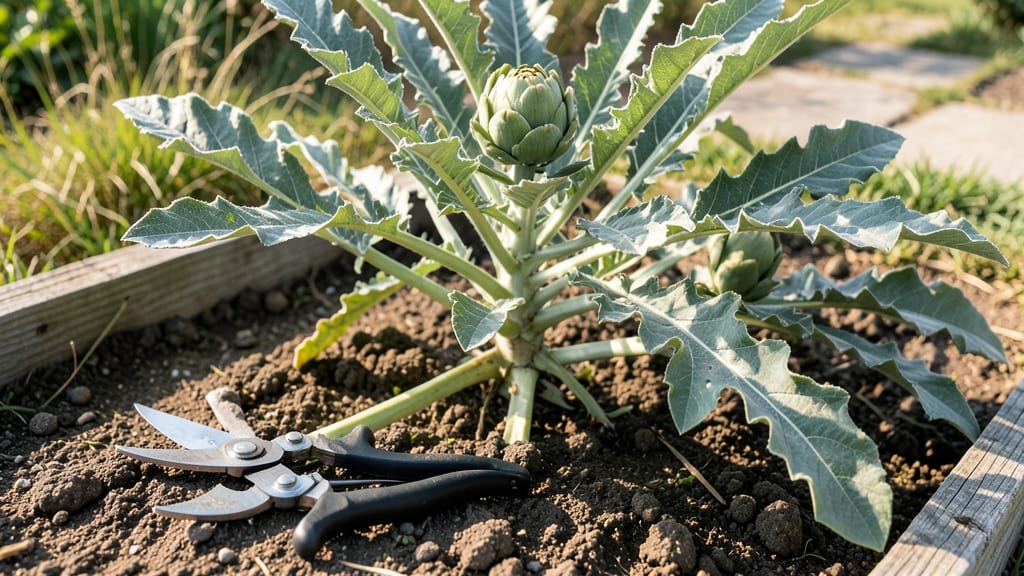
Trimming artichoke plants is the secret weapon behind those glossy, thistle-free stalks that keep producing all season. 🌿 I learned the hard way—skipping pruning means fewer buds and more pest trouble, but doing it right turns your patch into a nonstop harvest machine.
The key is timing: you’ll want to trim side shoots early, then focus on shaping the main stalk as the plant matures.
You’ll need just three things: sharp pruning shears, a clean bucket for clippings, and a sunny afternoon. Start by snipping off any side shoots smaller than a pencil—these steal energy from your main buds.
Then, as the plant grows taller, cut back any leggy stems to encourage bushier growth. The goal is to keep the plant focused on producing those tight, edible buds instead of wild foliage.
After trimming, your artichokes will rebound with new growth within days, and you’ll notice buds forming faster. The plants stay compact, resist pests better, and keep yielding until frost.
Just avoid cutting into the main stalk—save that for after harvest. With this method, I’ve gone from three artichokes to dozens in the same space.
Works for both globe and French breakfast artichokes, and the same rules apply whether you’re growing in the ground or containers. The only difference? Container plants need slightly more frequent trimming to stay tidy. Let’s get those shears sharp—your harvest is waiting.
📚 In This Guide
- What you need
- Instructions
- Tips and common mistakes
- Wrapping up and next steps
What you need
- ● Pruning shears or sharp bypass pruners – Choose a pair with clean, sharp blades (4-6 inch size) to make precise cuts without damaging the plant.
- ● Garden gloves – A pair of cut-resistant, breathable gloves (size medium or large) to protect your hands from thorns and dirt.
- ● Disinfectant (70% isopropyl alcohol or bleach solution) – A small spray bottle or wipe to sterilize tools before and after trimming (1:9 bleach-to-water ratio).
- ● Garden twine or plant ties – 10-15 feet of twine (¼ inch width) to support tall or leggy stems if needed.
- ● Compost bin or mulch – A small container or pile to collect trimmings for nutrient-rich compost.
- ● Watering can or hose – To hydrate plants before and after pruning (especially in hot climates).
- ● Hand pruners (for smaller cuts) – Compact and easy to maneuver in tight spaces.
- ○ Plant growth regulator (optional) – A diluted seaweed extract or hormone spray to encourage bushier growth post-pruning.
- ● Knee pad or stool – For comfort if your artichoke patch is sprawling or hard to reach.
- ● Labeling tags – To mark pruned sections if you’re experimenting with different trimming techniques.
Instructions for trimming artichoke plants
Here's the straightforward approach to keep your artichoke plants thriving and producing all season.
✂️ Step 1: Identify and Remove Dead or Diseased Foliage
Start by inspecting your plants for any yellowed, brown, or wilted leaves—these are your first targets. Grab your pruning shears and cut back any foliage that looks crispy or has blackened spots. Diseased leaves can spread trouble to healthy parts of the plant, so remove them completely at the base.
I always work from the bottom up, clearing out the oldest leaves first. This improves airflow around the plant, which helps prevent fungal issues. If you see any stems with blackened or mushy spots, trim those back too—artichokes are tough, but they can't recover from severe rot.
✂️ Step 2: Prune Back Overgrown Side Shoots
Artichoke plants produce multiple side shoots that can compete with your main buds. Use your shears to trim back any side shoots that are growing more than 6 inches long, cutting them just above a leaf node. This redirects the plant's energy toward producing larger, more flavorful artichokes.
Here's the thing—don't trim too aggressively. You want to leave enough foliage to keep the plant photosynthesizing. If you see a side shoot with a small artichoke bud forming, leave it unless it's clearly outcompeting your main harvest target.
✂️ Step 3: Harvest and Trim Mature Artichokes
When your artichokes reach 4-6 inches in diameter and the bracts (those spiky leaves) are tight but starting to spread, it's time to harvest. Grab the artichoke firmly and twist it gently until it separates from the stem. If it doesn't come free easily, use your shears to cut it cleanly, leaving a small stub.
After harvesting, inspect the stem for any remaining buds. If you see small artichoke buds still forming, leave them—these will develop into your next harvest. But if a stem is completely bare, trim it back to encourage new growth from lower nodes.
✂️ Step 4: Lightly Trim Flower Buds to Encourage Production
Artichoke plants produce flower buds that can develop into artichokes or just flowers. To maximize your harvest, trim back any flower buds that aren't forming artichokes. Use your fingers to gently pinch off small buds—no need for shears here. This simple step helps the plant focus its energy on producing edible artichokes instead of decorative blooms.
I do this every 2-3 weeks during the growing season. It might feel counterintuitive to remove potential flowers, but trust me—your plant will reward you with bigger, better artichokes. Watch for new buds forming at the base of the plant after each trim; these are your future harvests.
⏰ Step 5: Seasonal Pruning for Year-Round Growth
In late fall or winter, after your last harvest, give your artichoke plants a final trim. Cut back all remaining foliage to about 12 inches above the ground. This helps the plant enter dormancy more easily and reduces the risk of winter diseases. Don't worry—artichokes are perennial in mild climates and will regrow vigorously in spring.
During the growing season, I like to do a quick check every 4-6 weeks. Look for any new growth at the base of the plant and trim back any overly long or leggy stems. This keeps your artichoke plants compact, productive, and easier to manage. With consistent trimming, you'll enjoy a steady harvest all season long.
Tips & tricks for perfect artichoke plant trimming
A few key strategies will help you maintain healthy, productive artichoke plants all season long.
Timing is Everything: When you're working through Step 1 to remove dead foliage, I recommend doing this on a dry morning. Wet leaves can harbor fungal spores and make your work messy. The 4-6 week maintenance check mentioned in Step 5 is perfect for combining with your regular garden tasks—just 10 minutes of focused attention can make a huge difference in plant health.
Tool Selection Matters: For Step 2 and Step 3, invest in sharp pruning shears—dull blades can crush stems instead of making clean cuts. I use bypass pruners for larger stems and small handheld shears for precision work. Sterilize your tools with rubbing alcohol between plants to prevent spreading any potential diseases you might encounter.
Visual Cues for Harvesting: In Step 3, when your artichokes reach 4-6 inches, look for the bracts to be tight but just starting to spread apart slightly. The base should feel firm when you gently squeeze it. If you wait until the bracts are fully open, your artichokes will be tough and fibrous. Harvesting at the right stage ensures tender, flavorful results.
Seasonal Strategy: The 12-inch winter trim in Step 5 is your chance to give your plants a fresh start. This isn't just about aesthetics—cutting back encourages new growth from the base, which often produces more vigorous shoots in spring. In colder climates, you might want to add a layer of mulch after this trim to protect the crown through winter.
Pro Tips for Trimming Artichoke Plants
- A few key strategies will help you maintain healthy, productive artichoke plants all season long.
- Timing is Everything: When you're working through Step 1 to remove dead foliage, I recommend doing this on a dry morn...
- Tool Selection Matters: For Step 2 and Step 3, invest in sharp pruning shears—dull blades can crush stems instead of ...
Frequently asked questions
Got questions about trimming your artichoke plants? You’re not alone! Here are some of the most common concerns—and their answers—to help you keep your plants thriving and productive.
When is the best time to trim artichoke plants?
Trim artichoke plants after harvest to encourage new growth. For globes (like ‘Green Globe’), prune right after picking the bud. For French varieties, trim side shoots when they’re 4–6 inches long to redirect energy to the main stem. Never trim in winter—focus on cleanup instead.
How much should I cut back my artichoke plant?
Leave at least 12–18 inches of stem after harvesting the artichoke. For side shoots, cut back to just above a leaf node (where new growth emerges). Over-trimming can stress the plant—think “less is more” for long-term productivity!
What if my artichoke plant looks sad after trimming?
Wilting or yellowing leaves? You might’ve cut too aggressively or stressed the plant. Solution: Water deeply, mulch around the base, and avoid trimming during heatwaves. If pests (like aphids) appear, spray with neem oil. Patience helps—new growth should bounce back in 2–3 weeks.
Can I still get a harvest if I skip trimming?
Yes, but yields will be smaller and less consistent. Trimming removes spent buds, redirects energy to new growth, and prevents overcrowding. Without it, you’ll get fewer (but possibly larger) artichokes. Think of it like pruning tomatoes—less work now = more harvest later!
What’s the difference between trimming and harvesting?
| Harvesting | Trimming |
|---|---|
| Removing the artichoke bud (when tight and bracts are still closed). | Cutting side shoots, spent stems, or overgrown foliage to shape the plant. |
| Do this regularly during the growing season. | Do this after harvest or to manage growth. |
Pro tip: Harvest first, then trim—never the other way around!
Wrapping up and next steps
Trimming your artichoke plants isn’t just about keeping them tidy—it’s the secret to a bountiful, year-round harvest! 🌿 By mastering strategic pruning, you’ll encourage healthier growth, larger buds, and even extend your plant’s lifespan.
Whether you’re a seasoned gardener or just starting, these techniques make the process simple and rewarding.
Ready to put your new skills to work? Grab your shears and head to the garden—your next artichoke feast starts with just a few snips! Happy trimming! 🌱