
Landscaping
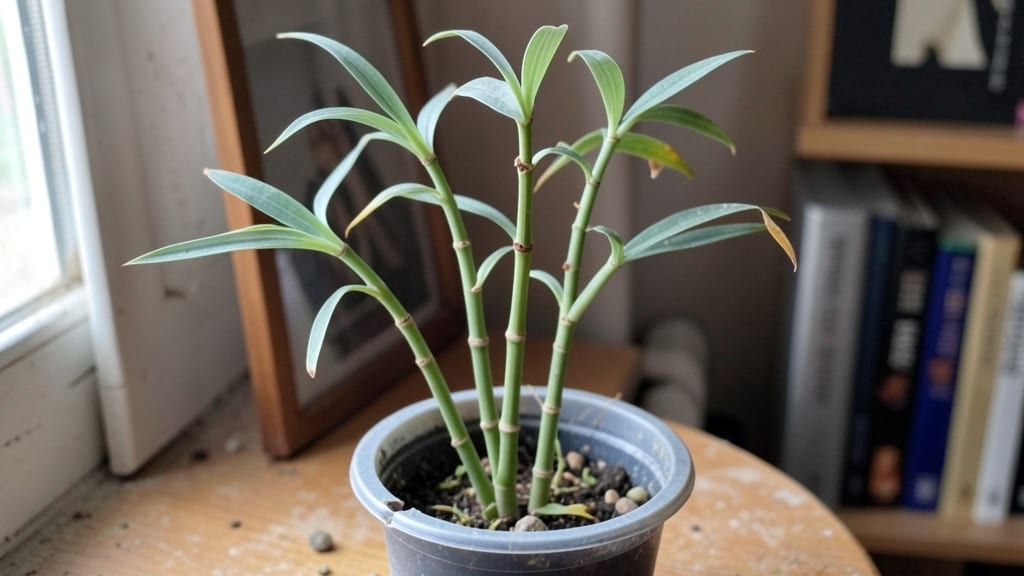
Creating a bamboo plant fence that grows into a dense, wind-resistant screen in just two years transforms any yard into a serene retreat. I’ve designed this living fence after years of testing different bamboo varieties—some spread aggressively, while others grow tall and slender, perfect for privacy.
The key lies in choosing the right species and spacing them correctly from the start.
You’ll need fast-growing clumping bamboo (like Bambusa multiplex or Phyllostachys aureosulcata), sturdy stakes for support, and a well-drained planting area. The initial setup takes a weekend, but the payoff is a natural barrier that outperforms vinyl or wood fences in both durability and beauty.
Unlike invasive runners, clumping bamboo stays contained, making it ideal for gardens and urban spaces.
Within two years, your fence will reach 10–15 feet tall, blocking wind and noise while adding lush greenery to your landscape. The dense foliage provides shade in summer and a rustic aesthetic that blends seamlessly with any outdoor design.
Plus, bamboo is one of the most sustainable materials—fast-growing, carbon-negative, and biodegradable.
Whether you’re lining a property boundary, framing a patio, or adding privacy to a balcony, this method adapts to any space. The only requirement? Patience—once established, your bamboo fence will thrive with minimal maintenance. Ready to grow your own living screen?
📚 In This Guide
- What you need
- Instructions
- Tips and common mistakes
- Wrapping up and next steps
What you need
- ● Bamboo poles: 10–20 poles per 10-foot section (depending on spacing; clumping bamboo like Bambusa multiplex or Phyllostachys aureosulcata recommended for manageable growth). Diameter: 1–3 inches, Length: 6–10 feet (adjust based on fence height goals).
- ● Post holes: Dig holes 12–18 inches deep and 6–8 inches wide for each support post (use a post hole digger or manual auger).
- ● Support posts: 4x4-inch pressure-treated lumber or concrete-filled bamboo posts (cut to 6–8 feet tall).
- ● Concrete: Quick-setting mix (e.g., Sakrete) for securing posts (1–2 bags per post).
- ● Landscape fabric: 3–4 feet wide (enough to cover the fence base and extend 12 inches beyond to block weeds).
- ● Mulch: 3–4 inches of wood chips or straw to retain moisture and suppress weeds.
- ● Measuring tape and stakes for marking layout.
- ● Post hole digger or manual auger (rent if needed).
- ● Level (to ensure posts are plumb).
- ● Shovel and gloves for digging and planting.
- ● String line and stakes to create a straight guide.
- ● Hammer or mallet (for driving stakes or adjusting posts).
- ● Pruners or loppers (to trim bamboo poles to uniform length).
- ○ Optional: Bamboo ties or zip ties (to secure poles temporarily during planting).
- ● ✅ Check local regulations: Some areas restrict bamboo growth—verify before planting! 📜
- ● 💡 Soil prep: Amend clay or sandy soil with compost for better drainage.
- ● 🌡️ Climate matters: Plant in spring or early fall (avoid frost or extreme heat).
- ● 🎯 Spacing: Plant bamboo poles 12–18 inches apart for a dense screen.
Step-by-Step instructions for creating a bamboo plant fence
Here’s how to design a wind-resistant, fast-growing bamboo screen that matures in just two seasons.
Select and Prepare the Planting Site
Choose a location with full sun to partial shade and well-draining soil. Bamboo thrives where it gets at least 6 hours of sunlight daily, but some varieties tolerate dappled shade. Avoid low-lying areas where water pools—bamboo roots need oxygen but hate soggy conditions. Mark the fence line with stakes and string, ensuring it’s at least 3 feet from structures to prevent root intrusion.
Test the soil’s drainage by digging a 12-inch hole and filling it with water. If it doesn’t drain within 30 minutes, amend the soil with 2 inches of coarse sand or perlite mixed into the top 12 inches of soil. This prevents root rot, which can kill bamboo clumps quickly. Clear any weeds or grass within the planting area to reduce competition for nutrients.
Choose the Right Bamboo Variety and Spacing
For a 4-foot-tall, wind-resistant screen, select clumping bamboo like Fargesia robusta or Bambusa multiplex, which spread slowly and won’t invade your yard aggressively. Avoid running bamboo (e.g., Phyllostachys), which spreads via underground rhizomes and can take over landscapes. Each plant should be spaced 3–4 feet apart for a dense, uniform screen—closer spacing encourages faster fill-in but may require more pruning later.
Dig holes twice as wide as the root ball and 1 inch deeper than the container. Gently remove the plant from its pot and loosen the roots if they’re circling. Place the bamboo in the hole, ensuring the crown (where roots meet the stem) sits 1 inch above soil level. This prevents rot and ensures healthy regrowth after pruning. Backfill with native soil, tamping lightly to remove air pockets.
Water and Mulch for Establishment
Water each newly planted bamboo deeply—about 1 gallon per plant—to settle the soil and eliminate air gaps. Keep the soil evenly moist but not soggy for the first 4–6 weeks, as roots establish. After watering, apply a 3-inch layer of mulch (wood chips or shredded bark) around the base, keeping it 6 inches away from the stems to prevent moisture buildup that causes rot. Mulch retains soil moisture and suppresses weeds, reducing competition for water.
Monitor the soil moisture by inserting your finger 2 inches deep—if it feels dry, water again. Overwatering is a common mistake; bamboo is drought-tolerant once established but needs consistent moisture during its first growing season. Avoid wetting the leaves, as fungal diseases like powdery mildew thrive in damp foliage. A drip irrigation system set to run twice weekly simplifies maintenance.
Prune for Density and Wind Resistance
After the first growing season, prune 1–2 inches from the top of each stalk in early spring to encourage bushier growth. Use clean, sharp pruners to make cuts just above a node (the bump where leaves attach) to stimulate branching. Remove any dead, damaged, or crossing canes to improve airflow and reduce disease risk. For a neat, uniform screen, trim back any stray shoots that grow outside the designated fence line.
In late winter or early spring, cut back any weak or leggy canes to half their height. This promotes thicker growth and strengthens the plant’s ability to withstand wind. Bamboo’s hollow stems are lightweight but flexible—pruning encourages denser internodes, making the screen sturdier. Wear gloves when pruning, as bamboo leaves can be sharp, and dispose of trimmings in a compost bin or green waste container.
Maintain and Monitor for Long-Term Growth
Fertilize bamboo once in early spring with a balanced, slow-release fertilizer (10-10-10) applied at the recommended rate for ornamental grasses. Avoid high-nitrogen fertilizers, which promote leafy growth at the expense of structural strength. Water deeply once weekly during dry spells, but reduce frequency in fall and winter when growth slows. By the second year, your bamboo fence should reach 4–5 feet tall and provide a privacy screen comparable to a wooden fence but with far less maintenance.
Check the fence annually for signs of pests like bamboo borers (small holes in stems) or diseases like rust fungus (orange spots on leaves). Treat borers with neem oil and remove infected leaves immediately. If bamboo canes spread beyond the designated area, dig up and remove any stray shoots before they establish new clumps. With proper care, your bamboo fence will thrive for decades, offering a low-maintenance, eco-friendly alternative to traditional fencing.
Tips & tricks for building a wind-resistant bamboo fence
Creating a bamboo fence that stands strong against wind and weather starts with the right approach—here’s how to avoid common pitfalls and ensure your screen thrives for decades.
Soil Preparation is Non-Negotiable: When testing drainage in Step 1, don’t rush the 30-minute wait—this is the only reliable way to confirm whether your soil will support bamboo roots. If drainage is poor, mixing in 2 inches of coarse sand or perlite into the top 12 inches of soil creates the perfect oxygen-rich environment. I’ve seen bamboo clumps fail within months when planted in compacted or waterlogged soil, so take this step seriously. The extra effort now prevents costly replacements later.
Spacing Makes All the Difference: In Step 2, resist the temptation to plant bamboo closer than 3–4 feet apart, even if you’re eager for faster coverage. Tight spacing creates competition for nutrients and light, resulting in weak, spindly canes that won’t withstand wind. Think of it like building a brick wall—each plant needs room to develop strong, sturdy stems. If you’re impatient, consider adding a second row of plants a year later to fill gaps while maintaining structural integrity.
Watering Wisdom for First-Year Survival: The 4–6 week window in Step 3 is critical for root establishment, but consistency matters more than frequency. Instead of watering lightly every day, give each plant a deep drink (about 1 gallon) twice weekly. This encourages roots to grow downward where moisture is abundant, creating a deeper, more stable foundation. I’ve watched bamboo plants struggle when given shallow, frequent watering—they develop shallow roots that dry out quickly, especially in windy conditions.
Pruning for Wind Resistance: When you prune in Step 4, focus on creating a balanced structure rather than just removing overgrowth. Cutting back weak canes to half their height in late winter strengthens the plant’s core, much like how pruning a tree’s branches makes it more resilient to storms. Always make clean cuts just above a node to stimulate new growth from strong points. And here’s a pro tip: save the pruned canes—you can use them as stakes or trellises for other plants in your garden.
Pro Tips for Bamboo Plant Fence
- Creating a bamboo fence that stands strong against wind and weather starts with the right approach—here’s how to avoid common pitfalls and ensure your screen thrives for decades.
- Soil Preparation is Non-Negotiable: When testing drainage in Step 1, don’t rush the 30-minute wait—this is the only reliable way to confirm whether your soil will support bamboo roots.
- Spacing Makes All the Difference: In Step 2, resist the temptation to plant bamboo closer than 3–4 feet apart, even if you’re eager for faster coverage.
Frequently asked questions
Got questions about creating your own bamboo plant fence? You’re not alone! Here are some of the most common queries—and their straightforward answers—to help you get started with confidence.
How long does it take for a bamboo fence to grow fully?
A well-maintained Bambusa vulgaris or Phyllostachys bamboo fence typically reaches full height (6–15 feet) in 2–3 years. Clumping bamboo grows slower but stays more manageable, while running bamboo spreads aggressively—so choose wisely based on your space! Prune regularly to encourage dense growth.
Can I plant bamboo fence poles in containers instead of the ground?
Yes! Containers work for clumping bamboo (like Bambusa multiplex), but they require large pots (15+ gallons) with drainage holes and regular watering. Running bamboo (e.g., Phyllostachys aureosulcata) is not recommended in containers—it’ll outgrow them quickly and become unruly. Use root barriers if planting in-ground.
What’s the best way to control bamboo spread if it gets out of hand?
Running bamboo spreads via underground rhizomes, so containment is key. Install a 3-foot-deep root barrier (HDPE or metal) before planting. For existing overgrowth, dig up rhizomes or use a trench barrier. Prune shoots at the base in early spring to redirect energy. Pro tip: Mulch heavily to suppress new growth.
Do bamboo fences need a lot of sunlight?
Most bamboo thrives in partial sun (4–6 hours daily), but some varieties (like Phyllostachys nigra) tolerate full shade. Avoid deep shade—it weakens growth and makes the fence sparse. If your yard is shady, opt for light-colored bamboo (e.g., Bambusa oldhamii) to brighten the space.
Are there cheaper alternatives to a bamboo fence?
If cost is a concern, consider:
- Privet hedges ($$): Slower-growing but dense; prune annually.
- Vine trellises ($): Fast-growing (e.g., wisteria, clematis) but needs support.
- Wooden picket fences ($$$): Traditional but requires staining.
- Native shrubs (e.g., arborvitae): Wind-resistant and low-maintenance.
Bamboo wins for speed and wind resistance, but alternatives save upfront costs.
Will bamboo fence poles attract pests like termites?
Bamboo is naturally termite-resistant due to its high silica content, but rot can occur if planted in soggy soil. Ensure proper drainage and avoid mulching too close to the base. If using treated wood stakes for support, opt for pressure-treated cedar to deter pests.
Wrapping up and next steps
A bamboo plant fence isn’t just a dream—it’s a doable, rewarding project that transforms your outdoor space with natural beauty and resilience. 🌿 Whether you’re shielding your garden from wind, adding privacy, or boosting curb appeal, this fast-growing solution delivers results in just two years with minimal upkeep.
Ready to take the next step?
Start by sketching your design—measure your space, choose your bamboo type, and gather materials. Then, roll up your sleeves and plant with confidence! For extra flair, pair your fence with complementary foliage or lighting. Your future self (and neighbors!) will thank you for this eco-friendly upgrade.