Pruning
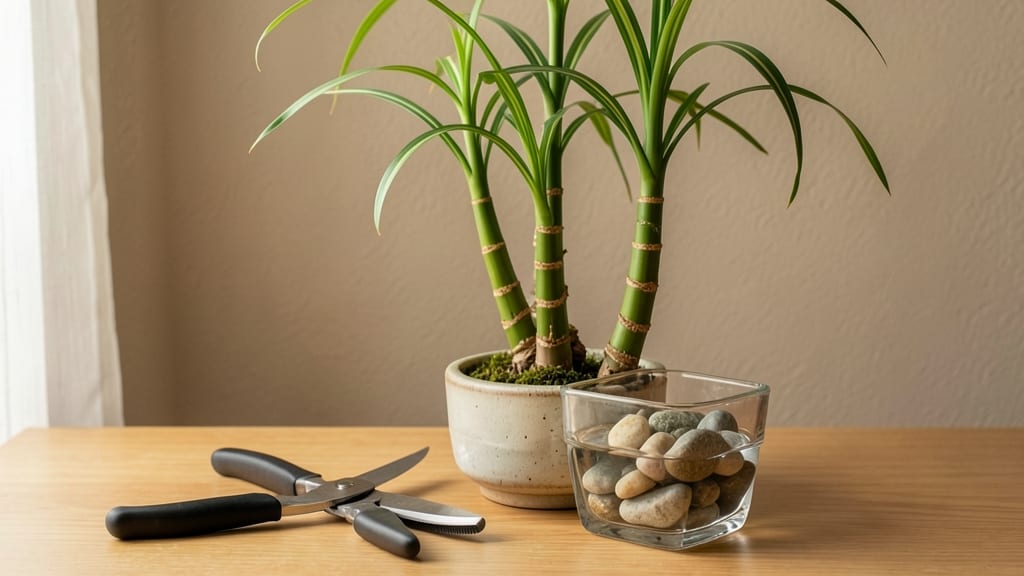
Pruning bamboo plants keeps them lush and contained—without turning your yard into a jungle. 🌱 I’ve wrestled with both running and clumping varieties, and the right cuts make all the difference between a controlled border and an invasive nightmare.
The key isn’t just when to trim but how—whether you’re shaping a decorative grove or taming a runaway thicket.
You’ll need sharp pruners, gloves, and a clear plan: running bamboo demands underground barriers, while clumping types just need annual thinning. Timing matters too—spring and fall are ideal, but aggressive runners need mid-season checks.
I’ve learned the hard way that skipping this step means digging up roots later, so let’s avoid that mess.
After pruning, your bamboo will respond with fresh shoots and a tidy shape—no more tangled canes or unsightly gaps. The secret is cutting just above a node (that little bump where leaves grow) to encourage bushier growth. For invasive varieties, bag the clippings immediately to prevent new plants from sprouting.
This works for both ornamental varieties and stubborn spreaders, though the tools and timing shift slightly. Whether you’re dealing with a delicate Fountain bamboo or a hardy Black bamboo, the same principles apply. Let’s get those canes under control the right way.
📚 In This Guide
- What you need
- Instructions
- Tips and common mistakes
- Wrapping up and next steps
What you need
- ● Pruning shears or loppers: Choose bypass pruners (for clean cuts) or loppers (for thicker stems, 2–3 inches in diameter). Sharpen them beforehand for precision! 🔪
- ● Hedge shears or pruning saw: For larger clumps or thick culms (stems), a pruning saw with a fine-tooth blade works best.
- ● Gloves: Wear heavy-duty gardening gloves (cut-resistant if dealing with thorny bamboo varieties like Bambusa multiplex).
- ○ Disinfectant (optional but recommended): A 70% isopropyl alcohol or bleach solution (1 part bleach to 9 parts water) to sterilize tools between cuts and prevent disease.
- ● Rake or hoe: For clearing away debris and young shoots after pruning.
- ● Measuring tape or ruler: To mark pruning heights (especially for running bamboo containment).
- ● Compost bin or mulch: To dispose of pruned material (bamboo decomposes quickly and makes great mulch!).
- ● Knee pads: For comfort if you’re working close to the ground.
- ● Safety goggles: Protect your eyes from flying debris, especially when sawing.
- ● Root barrier material: If your bamboo is running, have HDPE plastic root barriers (1/4-inch thick) on hand for future containment.
- ● Plant food or fertilizer: A balanced, slow-release fertilizer (10-10-10) to replenish nutrients after heavy pruning.
Instructions for pruning bamboo plants to maintain controlled growth
Mastering bamboo pruning transforms unruly clumps into manageable, lush specimens—here's how I keep mine thriving.
✂️ Step 1: Identify and Remove Dead or Weak Culms
Start by inspecting your bamboo for dead culms—those are the hollow, brown canes that feel dry and brittle when tapped. I run my fingers along each stem to check for moisture; healthy culms should be firm and green inside. Use clean, sharp pruners to cut these at the base, making a clean slice just above the soil line. This prevents disease from spreading through open wounds.
Next, look for weak or thin culms—these are the ones that lean heavily or have less than half the diameter of your strongest canes. Removing these now redirects energy to your plant's healthiest growth. I like to prune these in early spring when new shoots are just emerging, giving the plant a fresh start for the season.
✂️ Step 2: Thin the Clump to Improve Airflow and Light Penetration
Bamboo thrives when it has room to breathe, so thinning is key. I aim to leave 4-6 of the strongest, most vigorous culms per clump, depending on the variety. Use your pruners to cut the thinnest canes at the base, working from the outer edges inward. This opens up the center, allowing sunlight to reach inner shoots and reducing humidity buildup that can invite fungal issues.
Here's the thing—don't rush this step. If you remove too many canes at once, the plant may struggle to support itself. I usually thin no more than 20% of the clump in a single session. Watch for new shoots emerging from the base after pruning; these are your plant's way of telling you it's ready for more thinning next season.
✂️ Step 3: Prune for Shape and Height Control
For running bamboo (the spreading type), I focus on underground rhizome control first, but above-ground pruning helps too. If your bamboo is getting too tall, I cut back the tallest canes by one-third in late winter or early spring. This encourages bushier growth and prevents the plant from becoming top-heavy. Always make cuts just above a node (the joint where leaves or branches grow) to promote new growth.
For clumping bamboo, shaping is easier. I prune to maintain a balanced silhouette, cutting back any canes that grow at odd angles or block pathways. Use your pruners to make angled cuts just above a leaf node, and avoid leaving stubs—this prevents water from pooling and causing rot. If you're pruning for a hedge effect, I recommend trimming gradually over a few weeks to avoid shocking the plant.
✂️ Step 4: Clean Up and Prevent Future Issues
After pruning, remove all debris from the base of the plant. I rake up fallen leaves and cuttings to reduce pests and diseases. If you notice any yellowing leaves or mushy stems, these are signs of overwatering or fungal issues—address these before storing your pruners for next time. Disinfect your tools with rubbing alcohol or a 10% bleach solution to prevent cross-contamination between cuts.
Finally, I top-dress the soil with a 2-3 inch layer of mulch (like the 3 bags of shredded bark mulch you’ve got) to retain moisture and suppress weeds. This also keeps the base of the plant clean and dry, reducing the risk of rot. Water deeply after pruning to help the plant recover, but avoid soggy soil—bamboo roots need good drainage to thrive.
Tips & tricks for perfect bamboo pruning
Pruning bamboo doesn't have to be intimidating—these insights will help you maintain a healthy, controlled plant without sacrificing its natural beauty.
Tool Preparation: Before you begin, ensure your pruners are sharp and clean. Dull blades crush stems instead of making clean cuts, which can damage the plant and invite disease. I like to wipe down my pruners with rubbing alcohol between cuts to prevent cross-contamination. For larger canes, I use a pruning saw—it's worth investing in a good pair for clean, precise cuts that heal properly.
Seasonal Timing: Early spring is ideal for most pruning tasks, but timing matters. In Step 1, when you're removing dead or weak culms, aim for late winter to early spring when new shoots are just emerging. This gives your bamboo time to recover before summer heat. For running bamboo, focus on underground rhizome control in late fall—this prevents aggressive spreading before dormancy sets in. The key is working with your plant's natural growth cycles.
Visual Cues for Healthy Growth: In Step 2, when thinning your clump, look for culms that are at least half the diameter of your strongest canes. Healthy culms should have vibrant green leaves and firm stems that don't wobble when gently shaken. If you're unsure whether a cane is dead or just dormant, make a small cut—healthy tissue should be green inside, while dead culms will be hollow and brown. This visual check helps you make confident decisions without over-pruning.
Mulching Strategy: After pruning, that 2-3 inch layer of mulch isn't just decorative—it's essential. I use shredded bark mulch because it breaks down slowly while improving soil structure. Apply it after watering to help it settle against the stems. This creates a protective barrier that retains moisture while preventing weeds. Just avoid piling mulch directly against the stems, as this can cause rot. Think of it as a living blanket for your bamboo's roots.
Pro Tips for Pruning Bamboo Plant
- Pruning bamboo doesn't have to be intimidating—these insights will help you maintain a healthy, controlled plant with...
- Tool Preparation: Before you begin, ensure your pruners are sharp and clean. Dull blades crush stems instead of makin...
- Seasonal Timing: Early spring is ideal for most pruning tasks, but timing matters. In Step 1, when you're removing de...
Frequently asked questions
Got questions about pruning bamboo? You’re not alone—this fast-growing plant can be tricky! Here are answers to the most common concerns to help you keep your bamboo in check without the headaches.
When is the best time to prune bamboo?
Prune bamboo in late winter or early spring (before new growth starts) for the cleanest results. For running bamboo, you can also prune aggressively in fall to control spread. Avoid heavy pruning in summer—it stresses the plant and may encourage pest issues. Pro tip: Light trimming can happen year-round to shape the plant!
How do I prune bamboo without killing it?
Bamboo is resilient, but never remove more than 1/3 of the plant at once. Use clean, sharp tools to make cuts at a 45-degree angle just above a node (bud). Avoid cutting into the culm (the woody stem)—focus on fronds and unwanted shoots. Over-pruning weakens the plant, so be patient!
Can I prune bamboo in winter?
Yes, but lightly! Winter pruning is ideal for removing dead or damaged fronds and shaping the plant. Avoid heavy cuts—bamboo stores energy in its rhizomes, and pruning too much in cold months can stunt growth. If you must prune aggressively, spring is still best.
What if my bamboo keeps spreading even after pruning?
Running bamboo (like Phyllostachys) spreads aggressively via rhizomes. If it’s still escaping, dig up and remove rhizomes beyond your desired area. For clumping bamboo (like Bambusa), pruning alone may not stop spread—consider root barriers or regular rhizome checks. Pro tip: Monitor soil moisture; soggy ground fuels faster growth!
Are there alternatives to pruning for controlling bamboo?
For running bamboo, install a rhizome barrier (buried 2–3 feet deep) to block underground spread. Mulching heavily (3–4 inches) can also slow growth. Clumping bamboo? Prune selectively and divide the plant every few years to manage size. Just remember—no method is 100% foolproof!
Wrapping up and next steps
Pruning bamboo isn’t just about keeping your plants tidy—it’s the secret to healthy, controlled growth that saves your yard from becoming a jungle! 🌿 Whether you’re tackling clumping varieties or running types, the right techniques (like timing, tools, and follow-up care) make all the difference.
With patience and consistency, you’ll enjoy lush, manageable bamboo that thrives year-round.
Ready to take the next step? Start small—pick one section of your bamboo to prune this weekend, and watch your progress! For bigger projects, consult local experts or join gardening forums to swap tips. Your bamboo (and your sanity) will thank you! 🌱