Fertilization
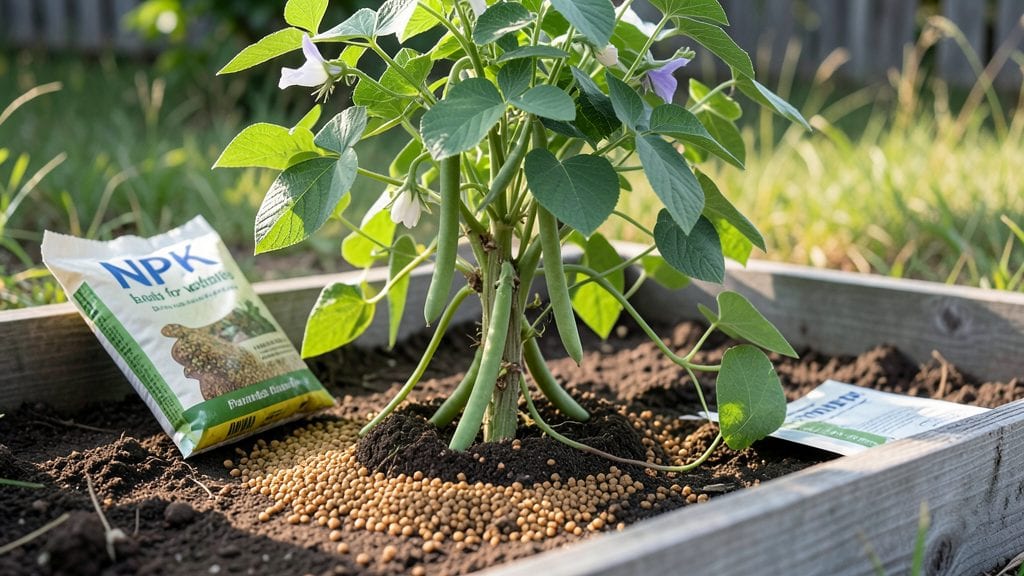
The right bean plant fertilizer can transform your garden—just balance that nitrogen-phosphorus-potassium mix for harvests that burst with flavor.
Struggling to get your bean plants to produce abundant, high-quality pods? The secret lies in the right fertilizer blend—specifically the perfect nitrogen-phosphorus-potassium (NPK) ratios tailored to each growth stage.
Beans need a balanced approach: too much nitrogen, and you’ll end up with lush leaves but few pods. Too little phosphorus, and flowering will stall. Here’s how to feed your plants at every stage—from seedlings to harvest-ready pods—without wasting a drop.
Discover the best organic and synthetic fertilizers for beans, when to apply them, and how to spot over- or under-fertilization before it’s too late. Your next harvest starts with the right soil nutrition.


Optimal NPK ratios for bean plant growth stages: from seedlings to pod production
Getting your bean plants to thrive requires more than just planting seeds and hoping for the best. The key to abundant pod production lies in understanding how to adjust NPK ratios throughout each growth stage.
Unlike many vegetables, beans have specific nutrient needs that change dramatically from seedling emergence to pod development. Too much nitrogen at the wrong time can lead to lush foliage but few pods, while insufficient phosphorus during flowering will stunt your harvest.
Let’s break down the science-backed NPK ratios for each phase to maximize your yield.
Beans are legumes, which means they naturally fix nitrogen in the soil through root nodules. However, they still benefit from strategic fertilization—especially when grown in nitrogen-poor soils or container gardens where nutrients deplete faster.
The trick is balancing nitrogen (N) for leaf growth, phosphorus (P) for root and flower development, and potassium (K) for disease resistance and pod filling.
By tailoring your fertilizer blend to match each growth stage, you’ll avoid common mistakes like over-fertilizing with nitrogen during flowering or neglecting potassium when pods are forming.
Here’s the stage-by-stage NPK breakdown you need to follow, complete with practical application tips and visual guidance to keep your bean plants on track for a bountiful harvest.
summary-table
| Growth Stage | Optimal NPK Ratio | Key Nutrient Focus | Fertilizer Type | Application Timing |
|---|---|---|---|---|
| Seedling (0-3 weeks) | 3-5-2 | Nitrogen for leaf growth | Starter fertilizer (low N) | At planting, side-dress after 2 weeks |
| Vegetative (3-6 weeks) | 5-10-5 | Balanced N/P for vine strength | Balanced organic (5-10-5) | Every 3 weeks, avoid overfeeding |
| Flowering (6-8 weeks) | 2-10-10 | Phosphorus for blooms | Bone meal or 2-10-10 blend | At first flower clusters, repeat weekly |
| Pod Development (8+ weeks) | 1-5-10 | Potassium for pod filling | Potassium sulfate or banana peel tea | Bi-weekly until harvest |
The seedling stage (0-3 weeks) is all about establishing strong roots and early foliage. Here, a low-nitrogen fertilizer like a 3-5-2 ratio prevents leggy growth while supporting initial development. I recommend using a starter fertilizer with added micronutrients like zinc and boron, which are critical for young bean plants.
If you’re using organic options, compost tea or a worm castings blend works wonders during this phase. Avoid synthetic fertilizers, as they can burn tender seedlings.
Once your beans enter the vegetative stage (3-6 weeks), they’ll start climbing and producing more leaves. This is where a balanced NPK ratio of 5-10-5 comes into play. The slightly higher nitrogen encourages vine growth, while phosphorus supports root expansion.
I’ve found that side-dressing with compost every 3 weeks provides a slow-release nutrient boost without overwhelming the plants. For container-grown beans, use a water-soluble 5-10-5 fertilizer every 4 weeks to prevent nutrient lockout.
When flowering begins (6-8 weeks), shift your focus to phosphorus and potassium to promote blooms and prevent flower drop. A 2-10-10 NPK ratio is ideal here, with phosphorus stimulating root and flower development. Organic gardeners swear by bone meal (0-3-0) mixed into the soil at this stage.
For synthetic options, a 2-10-10 granular fertilizer applied at the base of plants works well. Pro tip: Avoid high-nitrogen fertilizers now—they’ll produce more leaves than pods!
During pod development (8+ weeks), potassium becomes the star nutrient. A 1-5-10 ratio ensures pods fill out properly and reduces the risk of blossom end rot. I’ve had the most success with potassium sulfate or homemade banana peel tea (rich in potassium).
Apply this blend bi-weekly until harvest, but reduce frequency if you notice yellowing leaves—a sign of over-fertilization. For organic growers, wood ash (a natural potassium source) can be sprinkled lightly around the base of plants.
One common mistake I see is over-fertilizing with nitrogen during pod development, which leads to excessive foliage but few pods. Always check the NPK ratio on your fertilizer label and adjust based on your beans’ current stage.
For example, if you’re using a 10-10-10 all-purpose fertilizer, dilute it to half-strength during flowering to avoid nutrient imbalance. Another tip: Test your soil before planting—beans prefer a slightly acidic to neutral pH (6.0-7.0).
If your soil is too alkaline, add sulfur or peat moss to improve nutrient uptake.
For container-grown beans, monitor nutrient levels closely since pots drain faster. I recommend liquid fertilizers like fish emulsion (for nitrogen) or seaweed extract (for potassium) during critical stages.
If you notice stunted growth or purple stems, your plants are phosphorus-deficient—apply a quick-acting phosphorus fertilizer like superphosphate and water thoroughly. Conversely, yellowing leaves with brown edges signal potassium deficiency, which can be fixed with potassium-rich amendments like greensand or kelp meal.
Remember, beans are nitrogen-fixers, meaning they pull nitrogen from the air through root nodules. If your soil is already nitrogen-rich, you might not need to add any nitrogen-based fertilizers at all. Instead, focus on **phosphorus
Natural vs synthetic bean plant fertilizers: pros, Cons, and best application methods
Choosing the right fertilizer for your bean plants can make the difference between a modest harvest and a bountiful yield. Both natural and synthetic fertilizers have their place, but understanding their unique benefits and drawbacks helps you make an informed decision tailored to your garden's needs.
Let me break down the key differences so you can optimize your bean plant nutrition.
Natural fertilizers like compost, manure, and bone meal provide slow-release nutrients that improve soil health over time. They’re ideal for gardeners focused on long-term soil fertility and sustainability.
On the other hand, synthetic fertilizers offer precise NPK ratios and quick results, which can be a game-changer during critical growth stages like flowering and pod development.
For natural fertilizers, I recommend starting with a compost-rich soil mixed with aged manure (like cow or chicken manure) before planting. This provides a steady supply of nitrogen and phosphorus without overwhelming the plants.
During the flowering stage, add a bone meal (high in phosphorus) to encourage robust pod formation. Always ensure your compost is well-aged to avoid introducing harmful pathogens.
When using synthetic fertilizers, opt for a balanced NPK blend like 10-10-10 during early growth and switch to a lower nitrogen, higher phosphorus formula (e.g., 5-15-10) once flowers appear. Apply synthetic fertilizers in the early morning to prevent leaf burn from the sun’s intensity.
Always follow the package instructions to avoid overapplication, which can lead to leaf scorch or stunted growth.
My best advice? Combine both types for optimal results. Start with a natural base of compost and manure to build soil health, then supplement with synthetic fertilizers during critical stages like flowering and pod development.
This hybrid approach ensures your bean plants get the best of both worlds: long-term soil vitality and immediate nutrient availability when they need it most.
Remember, the key to successful fertilization is observation. Monitor your plants for signs of nutrient deficiencies (like yellowing leaves or poor pod formation) and adjust your fertilizer strategy accordingly. With the right balance, you’ll be harvesting abundant, high-quality beans in no time!
🌱