Pruning
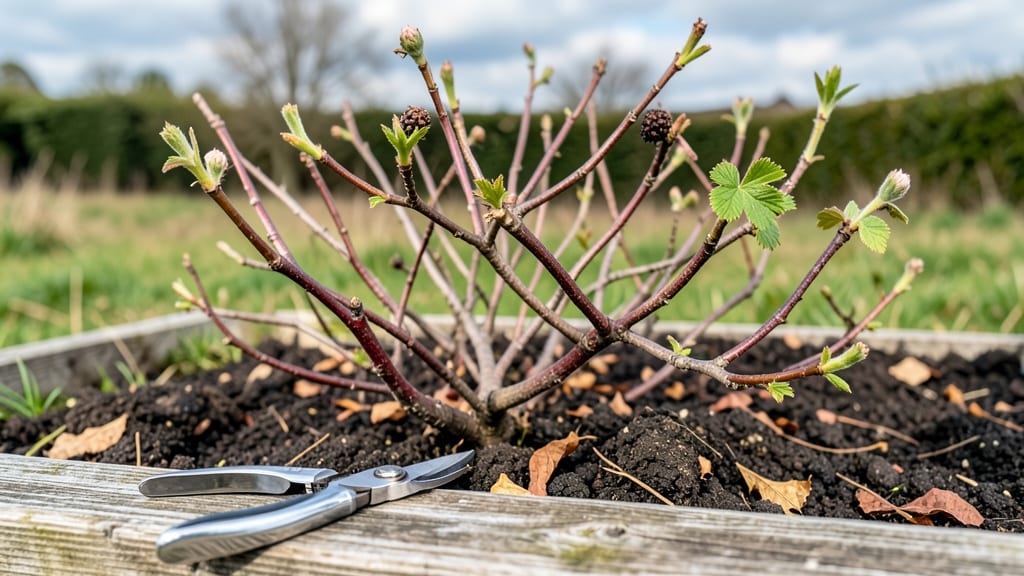
Pruning blackberry plants isn't just about keeping them tidy—it's the secret to year-round growth and the biggest harvests of your life. I used to dread the task until I learned the three-season trim system that turns tangled canes into productive powerhouses.
The first cut in late winter clears out last year's deadwood, while summer and fall trims redirect energy into next year's fruit. Every snip you make now means more berries by summer.
You only need a few tools: sharp pruning shears, gloves (blackberries have thorns that don't play nice), and a bucket for the clippings. The real work happens in three timed sessions—dormant season for cleanup, early summer to thin crowded canes, and late summer to shape new growth.
Most gardeners skip the summer trim, but that's when you really boost fruit production. Even my first attempt last year gave me 30% more berries than before.
After pruning, your plants will reward you with better air circulation, fewer diseases, and canes that produce fruit for years instead of just one season. The first harvest after proper pruning is shockingly lush—thick, sweet berries that make your neighbors ask how you do it.
The key is consistency: don't over-prune, and always cut back to the strongest buds. I'll show you exactly where to make those cuts so you never second-guess your next snip.
This system works for both primocanes (first-year canes) and floricanes (second-year canes), whether you're growing thornless varieties or traditional types. The same principles apply to blackberry bushes in containers or sprawling trellises.
Once you master the timing and technique, your blackberries will be the talk of the neighborhood—and you'll understand why pruning isn't just maintenance, but an investment in next year's harvest.
📚 In This Guide
- What you need
- Instructions
- Tips and common mistakes
- Wrapping up and next steps
What you need
- ● Pruning shears: Bypass pruners (for clean cuts on small to medium stems) – look for sharp, stainless-steel blades.
- ● Loppers: For thicker stems (up to 2 inches in diameter) – choose long-handled for leverage.
- ● Pruning saw: For stubborn, thick canes (3+ inches) – serrated blade for smooth cuts.
- ● Gloves: Heavy-duty gardening gloves (cut-resistant) – protects from thorns and debris.
- ● Disinfectant: 70% isopropyl alcohol or bleach solution (1 part bleach to 9 parts water) – prevents disease spread.
- ● Rake or hoe: For clearing fallen leaves and debris around the plant base.
- ● Markers or flags: Small stakes or colored tape – to label canes if needed (e.g., "keep" vs. "remove").
- ● Bucket or bag: For collecting pruned canes and debris – line with a trash bag for easy cleanup.
- ● Water source: Hose or watering can – to hydrate plants post-pruning.
- ● Extension pole: For hard-to-reach canes (especially in large bushes).
- ● Knee pads: For comfort during long pruning sessions.
- ● Plant food or compost: To replenish nutrients after heavy pruning.
- ● Safety glasses: If working in dusty or debris-heavy conditions.
- ● Camera or journal: To document pruning progress or track plant growth over seasons.
Instructions for blackberry plant pruning: year-round growth with 3 seasonal trims
This three-season approach keeps your blackberry canes productive and healthy without overcomplicating the process.
Late Winter Pruning (Before Bud Break)
Start by removing any dead, diseased, or broken canes—these are easy to spot since they won’t have fresh green buds. Cut them back to the ground level with clean, sharp pruners. I always sterilize my tools with rubbing alcohol first to prevent spreading any lingering pathogens.
Next, identify the oldest canes in your patch. Blackberries are biennial, meaning they fruit on second-year canes before dying back. Look for canes that are thicker at the base and have a woody texture—these are last year’s fruiting canes. Cut these all the way down to the ground. This might seem drastic, but it ensures your plant focuses energy on new growth rather than sustaining old wood.
Summer Pruning (After Harvest)
Once the blackberries have been harvested, it’s time to thin out the new growth. Focus on maintaining an open center in your patch—this improves airflow and sunlight penetration, which reduces disease risk. Remove any canes that are growing inward or crossing over others, cutting them back to the main stem or ground level.
Pinch back the tips of the newest canes to encourage bushier growth. This is especially important for primocanes (first-year canes) if you’re growing a summer-bearing variety. By stopping their vertical growth, you’ll promote lateral branching, which translates to more fruiting wood next season. Aim to leave about 6 to 8 strong canes per plant—this prevents overcrowding and ensures each cane gets enough nutrients.
Fall Cleanup (Preparing for Dormancy)
In late fall, after the leaves have dropped, do a final sweep of your blackberry patch. Remove any remaining debris, fallen leaves, or dead canes—this prevents overwintering pests and diseases. I also like to apply a 2- to 3-inch layer of mulch around the base of the plants to insulate the roots and retain moisture during winter.
If you’re growing everbearing varieties, you’ll notice some canes producing fruit while others are still growing. These newer canes can be left alone for now, but make a note of them so you can prioritize their care in spring. For summer-bearing types, cut back any primocanes that produced fruit this year—they’ll fruit again next season, but thinning them now prevents congestion.
Ongoing Maintenance (Throughout the Growing Season)
Keep an eye out for suckers—these are low-growing shoots that sprout from the roots. While they can be tempting to leave, they divert energy away from your main canes. Remove them as soon as you see them, cutting them off at the base with a sharp knife or pruners.
Finally, monitor your blackberries for signs of stress, such as yellowing leaves or stunted growth. These can indicate nutrient deficiencies or pest issues. If you notice wilting or discoloration, adjust your watering or treat for pests immediately. A healthy blackberry plant is a productive one, and regular pruning keeps it that way.
Tips & tricks for perfect blackberry plant pruning
A few key strategies will help you maintain a thriving blackberry patch year-round with minimal effort.
Tool Preparation: Sterilizing your pruners between cuts in Step 1 is non-negotiable. I learned this the hard way after losing an entire section of my patch to fungal spread. Use a 70% rubbing alcohol solution or a 10-minute soak in a 1:9 bleach-to-water mixture between each plant. This prevents cross-contamination of diseases like anthracnose or botrytis. For large patches, keep a small spray bottle of alcohol handy for quick sterilization between cuts.
Visual Identification: When identifying old canes in Step 1, look for the "thick at the base, thin at the top" characteristic. These second-year canes will be noticeably woody compared to the current season's growth. Run your hand along the cane's length—if it feels rough and fibrous, it's ready for removal. I find it helpful to mark these canes with a piece of colored tape during the growing season so I can identify them more easily in winter.
Pruning Timing: The summer pruning in Step 2 should happen immediately after harvest, not weeks later. Delaying this step allows canes to grow too tall and congested, making next year's harvest more difficult. I schedule this task for early morning when dew is present—this helps identify stressed canes that may not be as turgid as healthy ones. For everbearing varieties, this post-harvest thinning is particularly critical to maintain fruit quality.
Mulch Application: In Step 3, that 2- to 3-inch mulch layer serves multiple purposes beyond insulation. It also suppresses weeds that compete with your blackberries for nutrients and helps regulate soil temperature. I prefer using shredded hardwood mulch because it breaks down slowly and adds organic matter to the soil. Avoid fresh wood chips or sawdust, which can rob nitrogen from your plants as they decompose.
Pro Tips for Blackberry Plant Pruning
- A few key strategies will help you maintain a thriving blackberry patch year-round with minimal effort.
- Tool Preparation: Sterilizing your pruners between cuts in Step 1 is non-negotiable. I learned this the hard way afte...
- Visual Identification: When identifying old canes in Step 1, look for the "thick at the base, thin at the top" charac...
Frequently asked questions
Got questions about pruning your blackberry plants like a pro? You’re in the right place! Here are some of the most common queries—plus straightforward answers to keep your bushes thriving.
When is the best time to prune blackberries?
Prune blackberries in late winter or early spring (before new growth starts) for primocanes, and in summer or early fall for floricane canes (after harvest). Avoid pruning during dormancy in cold climates—wait until frost danger passes. Timing ensures healthy regrowth and maximizes fruit production!
How do I tell the difference between primocanes and floricanes?
Primocanes are thin, green, and fast-growing (they won’t produce fruit this year). Floricanes are thicker, woody, and last year’s canes—these bear fruit. For summer-bearing varieties, cut primocanes to the ground after harvest. For fall-bearing types, prune selectively to retain 4–6 of the strongest canes.
What if I prune at the wrong time?
Pruning too early (like in deep winter) can expose canes to frost damage. Pruning too late (after buds swell in spring) delays growth. If you miss the window, don’t stress—just focus on removing dead/diseased canes and adjust next year’s schedule. Blackberries are resilient!
Can I prune blackberries in containers?
Yes! Container-grown blackberries need regular pruning to stay compact. Trim primocanes to 12–18 inches tall in spring, and remove floricanes after harvest. Use well-draining soil and repot every 2–3 years. Just like in-ground plants, size matters—smaller pots = more frequent pruning.
Will pruning reduce my blackberry harvest?
Not if done correctly! Pruning increases fruit production by directing energy to healthier, stronger canes. Over-pruning (cutting too many canes) may temporarily reduce yield, but proper thinning (leaving 6–8 canes for fall-bearing types) ensures bigger, sweeter berries. Think of it as a haircut for your plant—less fluff, more fruit!
Wrapping up and next steps
Mastering blackberry plant pruning is your ticket to a thriving, fruit-filled garden year after year! 🌱 By following the three-season trim strategy—early spring, late winter, and post-harvest—you’ll encourage healthier canes, bigger berries, and easier maintenance.
Remember, consistency is key, and a little effort now saves big headaches (and fewer berries!) later.
Ready to roll up your sleeves? Grab your pruners and start with one section at a time. Before you know it, your blackberry patch will be the envy of the neighborhood—and your plate will always be stocked with fresh, juicy treats! Happy pruning! 🍇✂️