Pruning
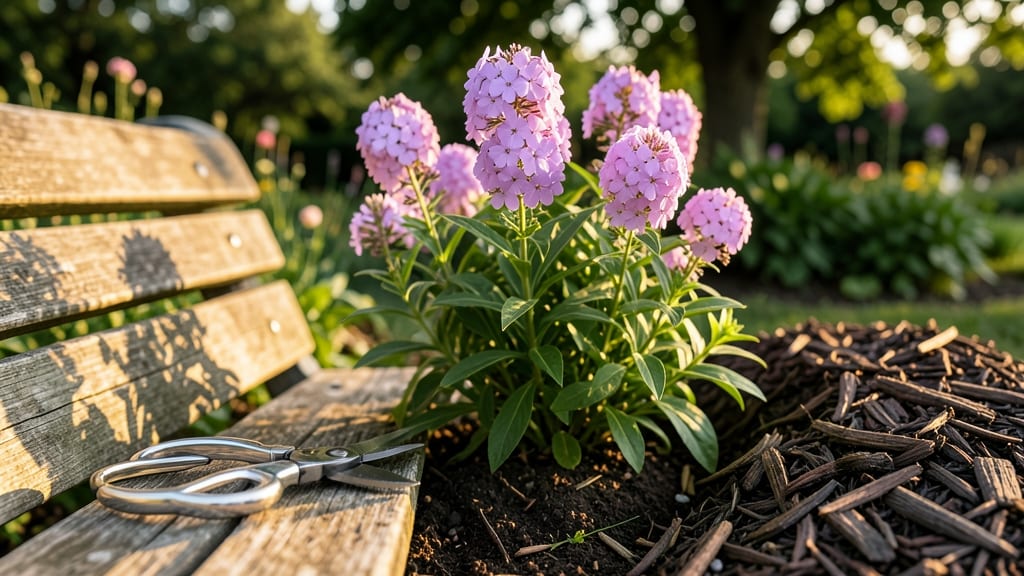
My phlox plants used to look like overgrown shrubs after one summer—until I discovered the 3-season pruning trick that keeps them blooming like crazy. ✨ The key is timing: a little maintenance now means vibrant clusters from spring through fall, not just a single burst in June.
You’ll need sharp pruners, gloves, and about 30 minutes total across three cuts: right after flowering, mid-summer cleanup, and a winter reset. Most gardeners skip the mid-season trim, which is where the magic happens—it forces fresh growth that blooms again before frost.
I’ve been doing this for five years, and my phlox now outperform the neighbors’ by a mile.
The payoff is immediate: thicker stems, more blooms, and plants that stay compact instead of flopping. By late summer, you’ll see new buds forming on those fresh cuts, and with the right technique, your phlox will keep going until hard frost.
The secret’s in the cuts—never more than a third of the plant at once, and always at a 45-degree angle.
Works for both garden phlox and creeping varieties, though creeping types need gentler trims to avoid spreading too fast. Here’s exactly how to time each cut and what to do with all those spent blooms—no more brown stalks ruining your view.
📚 In This Guide
- What you need
- Instructions
- Tips and common mistakes
- Wrapping up and next steps
What you need
- ● Sharp bypass pruners – Choose sterilized, stainless steel pruners (1 pair) to avoid disease spread.
- ● Clean, sharp garden shears – For larger stems (1 pair, 6–8" blades).
- ● Disinfectant solution – 1 part bleach to 9 parts water (for sterilizing tools between cuts).
- ● Gloves – Heavy-duty gardening gloves (1 pair) to protect from thorns and debris.
- ○ Pruning saw (optional) – For thick, woody stems (1, 10" blade).
- ● Hand pruners with bypass blades – For precision trimming (1–2 pairs).
- ● Rubbing alcohol (70% or higher) – Quick tool sterilization between plants.
- ● Compost bin or bag – To dispose of pruned stems (1–2 containers).
- ● Knee pad or stool – For comfort during long pruning sessions.
- ● Plant markers – Label healthy stems to avoid over-pruning (if dividing plants).
How to prune phlox for continuous, lush blooms
Three strategic cuts a year keep your phlox thriving and flowering nonstop.
✂️ Step 1: First Cut After First Frost (Late Fall)
Wait until after the first hard frost has blackened the foliage, then grab your pruners. Cut back the entire plant to about 2-3 inches above the ground. This removes dead stems and prevents disease over winter, while protecting the crown from cold damage.
I always do this after a light frost when the ground isn't frozen solid. If you cut too early, new growth might sprout before winter sets in. The clean cut also makes spring cleanup much easier—just rake up the debris and your garden bed is ready for new growth.
✂️ Step 2: Light Trim After Spring Flush (Early June)
Once your phlox sends up new growth in early spring, wait until you see 4-6 inches of fresh green growth before making your first trim. Then, cut back about one-third of the plant height—this encourages bushier growth and prevents leggy stems.
Here's the thing—don't cut into old wood. Look for the new growth at the base, which is brighter green and more tender. This trim also removes any dead or damaged stems from winter. After cutting, water deeply to help the plant recover and establish new roots.
✂️ Step 3: Deadheading During Bloom (Late June-August)
As soon as you see spent blooms, snip them off just above the first set of healthy leaves. This encourages more flowers to form and prevents the plant from putting energy into seed production. I like to do this every 1-2 weeks during peak bloom season to keep the flowers coming.
Don't cut into the green stems—always leave a leaf or two below the bloom. This helps the plant continue photosynthesizing and producing new flowers. If you notice any stems with brown or mushy spots, trim those out immediately to prevent disease from spreading.
⏰ Step 4: Final Light Trim After Final Bloom (Late Summer)
Once your phlox finishes blooming for the season, give it one last light trim. Cut back about one-third of the plant height again, but this time focus on shaping and removing any weak or leggy stems. This helps the plant store energy for next year's growth.
This is also a good time to divide any crowded clumps. If your phlox has outgrown its space, dig up the plant, separate the sections, and replant them. Just make sure to water well after transplanting to help them establish. The final trim keeps your phlox looking neat and prepares it for winter dormancy.
Tips & tricks for pruning phlox plants
These simple strategies will help you keep your phlox blooming beautifully all season long.
Timing is Everything: The first cut in late fall is the most critical—wait until after the first hard frost when foliage turns black. This ensures the plant is truly dormant and won't sprout new growth before winter. I've learned the hard way that cutting too early can leave your phlox vulnerable to cold damage. After that initial trim, mark your calendar for June and late summer to maintain that perfect bloom cycle.
Tool Selection Matters: Use clean, sharp pruners for every cut—dull blades crush stems and create entry points for disease. I keep a small bottle of rubbing alcohol handy to wipe down my pruners between cuts. For large clumps, consider using loppers for the thicker stems. Always make cuts at a 45-degree angle just above a leaf node to encourage new growth from the right spot.
Visual Cues for Healthy Cuts: In Step 2, look for the bright green, tender new growth at the base—this is where you want to focus your cuts. The old wood is usually a duller green or brown. For deadheading in Step 3, cut just above the first set of healthy leaves below the spent bloom. This visual guide helps you avoid cutting too much or too little, which can stress the plant.
Seasonal Maintenance: After your final trim in late summer, take a moment to check for any signs of disease or pests. Remove any brown or mushy stems immediately—they can spread problems to healthy parts of the plant. This is also the perfect time to divide crowded clumps. I like to do this every 3-4 years to keep my phlox looking its best and prevent overcrowding.
Pro Tips for Pruning Phlox Plants
- These simple strategies will help you keep your phlox blooming beautifully all season long.
- Timing is Everything: The first cut in late fall is the most critical—wait until after the first hard frost when foli...
- Tool Selection Matters: Use clean, sharp pruners for every cut—dull blades crush stems and create entry points for di...
Frequently asked questions
Got questions about pruning your phlox?
You’re not alone! Here are answers to the most common concerns—from timing to troubleshooting—to keep your plants thriving and blooming beautifully.
When is the best time to prune phlox?
Phlox benefits from three seasonal trims: early spring (just as new growth emerges), mid-summer (after the first flush of blooms), and late fall (after flowering stops). Each timing serves a purpose—clearing dead growth, encouraging reblooming, and prepping for winter.
Can I prune phlox in winter?
Yes, but lightly! If you live in a mild climate (zones 6-9), a light trim in late fall (after frost) removes dead foliage and prevents disease. In colder zones, wait until early spring—pruning too early can expose tender stems to frost damage. Pro tip: Leave 2-3 inches of stems for insulation!
How much should I cut back phlox?
For spring/fall pruning, cut back one-third of the plant’s height (or to 4–6 inches tall) to remove dead growth. In mid-summer, trim spent blooms down to the first set of leaves to encourage a second flush. Avoid over-pruning—phlox stores energy in its roots!
My phlox isn’t blooming after pruning—what went wrong?
If your phlox skips blooms, check these fixes:
- Pruned too late: Summer-blooming varieties need pruning before August to set next year’s buds.
- Over-fertilized: Too much nitrogen = leafy growth, fewer flowers. Use a balanced 10-10-10 fertilizer instead.
- Poor sunlight: Phlox thrives in full sun (6+ hours/day). Move it if shade is the issue.
Give it time—some varieties take 6–8 weeks to rebound after pruning.
Can I prune phlox for bushier growth?
To encourage fuller, denser foliage, prune selectively:
- Pinch back new growth tips in early spring to promote branching.
- Avoid shearing—use sharp scissors to trim individual stems for a natural shape.
- Deadhead spent blooms daily in summer to redirect energy to side shoots.
For panicle phlox, a harder prune (down to 12 inches) in early spring works wonders!
Wrapping up and next steps
Pruning your phlox plants doesn’t have to be intimidating—with just three seasonal trims, you can keep them thriving and blooming beautifully year-round! 🌸 Whether you’re tackling early spring cleanup, mid-summer shaping, or late-season renewal, each step ensures healthier growth and stunning flowers.
Remember, consistency is key, and your garden will thank you for the effort.
Now that you’re equipped with the know-how, grab those shears and get pruning! Start with the first trim this spring, and soon, your phlox will reward you with vibrant, long-lasting blooms. Happy gardening! 🌿