Size
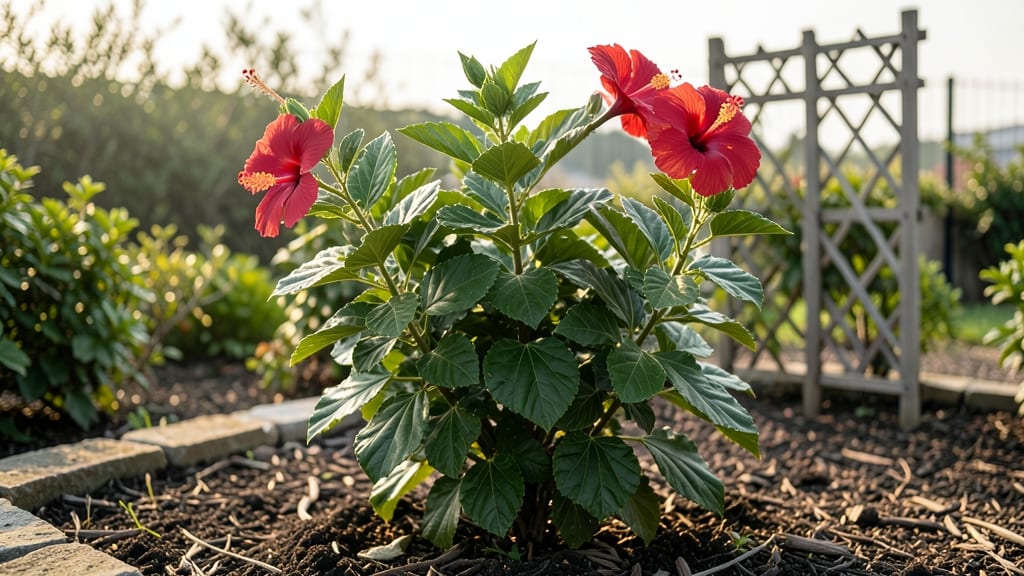
Growing a tall hibiscus plant that reaches for the sky is like training a living sculpture—it takes patience, but the payoff is a garden centerpiece that turns heads. 🌿 I’ve watched mine climb from a 2-foot sapling to a 10-foot vertical stunner in just two seasons, and the secret isn’t just in the soil or watering.
It’s in the way you prune, stake, and coax those massive blooms to open wider than your hand.
The right variety makes all the difference: Hibiscus moscheutos (swamp hibiscus) thrives in moist soil and hits 8-12 feet, while Hibiscus syriacus (rose of Sharon) is drought-tolerant and tops out at 15 feet.
Both need full sun (6+ hours daily) and well-draining soil—think rich compost mixed with sand if your yard stays soggy. Most beginners overwater, but hibiscus roots hate soggy feet; let the top 2 inches dry out between waterings.
By summer, you’ll be rewarded with blooms the size of dinner plates, their petals soft as silk and fragrant enough to draw hummingbirds like magnets. The key to keeping them blooming? Prune back one-third of the oldest stems in early spring, and deadhead spent flowers to redirect energy.
Even in small gardens, a tall hibiscus becomes the star of the show, its height and drama making every patio or corner feel like a tropical escape.
Here’s the thing—these plants are tougher than they look. They bounce back from pruning mistakes, tolerate heat waves, and even survive light frosts if you mulch well.
Whether you’re growing in containers (with sturdy stakes) or letting them sprawl in the ground, the vertical growth habit means you get more plant for less space. Let’s get yours reaching for the sky.
📚 In This Guide
- What you need
- Instructions
- Tips and common mistakes
- Wrapping up and next steps
What you need
- ● Tall hibiscus plant: Choose a healthy, disease-free specimen (check for blooms or sturdy stems). Opt for a Hibiscus syriacus (rose of Sharon) for heights up to 15 ft or Hibiscus moscheutos (swamp hibiscus) for 6–12 ft.
- ● Well-draining potting mix: 5–10 gallons, depending on pot size (mix 2 parts garden soil + 1 part perlite/sand for aeration).
- ● Container or garden bed: Potted option: A 5–15 gallon pot (minimum 12" diameter) with drainage holes.
- ● Garden option: A sunny spot with 6+ hours of light and loose, fertile soil (amend with compost if needed).
- ● Fertilizer: A balanced, slow-release granular fertilizer (10-10-10 or 20-20-20) or liquid bloom booster (like fish emulsion).
- ○ Support structure (optional but recommended): Stakes or trellis: 6–8 ft bamboo stakes or a metal cage (for potted plants).
- ● Tie-downs: Soft plant ties or garden twine.
- ● Pruning shears: Sharp, sterilized shears (for shaping and deadheading).
- ● Mulch: 2–3 inches of organic mulch (shredded bark or straw) to retain moisture.
- ● Watering can or hose: With a gentle spray nozzle (hibiscus hates soggy roots!).
- ● Gloves: Heavy-duty gardening gloves (hibiscus thorns can be sneaky!).
- ○ pH test kit (optional): Hibiscus thrives in slightly acidic to neutral soil (6.1–7.5).
- ○ Epsom salt (optional): 1 tbsp/month in water for magnesium boost (great for vibrant blooms!).
Step-by-Step guide to growing a towering hibiscus plant
Here's how to coax a hibiscus into reaching its dramatic, sky-high potential—even in tight spaces.
🌱 Step 1: Choose the Right Variety and Planting Location
Start with a hardy hibiscus variety like 'Dwarf Red' or 'Lo-but-not-too' that naturally grows 6-10 feet tall. These types thrive in containers or small gardens when given proper support. Plant in spring after the last frost when soil warms to at least 65°F—cold roots stall growth.
Pick a spot with full sun exposure (6+ hours daily)—hibiscus won’t bloom without it. If your garden has partial shade, choose a south-facing wall or fence to maximize light. I always test the spot for a week first by placing a plant there temporarily—if leaves wilt by afternoon, move it.
🪴 Step 2: Prepare Soil and Plant with Support
Amend your garden soil with 2-3 inches of compost mixed into the top 12 inches to improve drainage—hibiscus roots rot easily in soggy soil. For containers, use well-draining potting mix and add a 1-inch layer of perlite at the bottom. Hibiscus love slightly acidic soil (pH 6.0-6.5), so test your soil first.
Install a strong trellis, bamboo stake, or obelisk at planting time. Drive the support 12 inches deep so it won’t tip as the plant grows. Plant your hibiscus 6 inches from the trellis so roots can anchor before climbing. Water deeply right after planting to settle the soil around the roots—you’ll know it’s right when water drains through the bottom in 10-15 minutes.
☀️ Step 3: Train Vines and Prune for Height
As new growth appears in late spring, gently tie the main stem to the trellis with soft plant ties every 12 inches. Never wrap the ties too tight—hibiscus stems bruise easily. Let side branches grow naturally; they’ll produce more flowers than a single vertical stem.
Prune once in early summer to encourage upward growth. Cut back any leggy stems that grow more than 12 inches longer than others. Remove yellow or damaged leaves immediately—they drain energy from your plant. This is also when I fertilize with a balanced 10-10-10 formula every 4-6 weeks to fuel rapid growth.
💧 Step 4: Water and Feed for Maximum Height
Water deeply 2-3 times per week during the growing season, aiming for 1-2 inches of water per week. Hibiscus roots need moisture but hate soggy feet—check by sticking your finger 2 inches into the soil. If it feels dry, water; if damp, wait. Mulch with 2-3 inches of shredded bark to retain moisture and keep roots cool.
In late summer, switch to a low-nitrogen, high-phosphorus fertilizer (5-10-10) to boost flowering. This is when hibiscus really stretch upward—expect 6-12 inches of new growth per month with proper care. Watch for buds forming at the leaf axils; these will become your stunning blooms if you keep the plant well-watered and supported.
✂️ Step 5: Winter Care to Preserve Your Vertical Stunner
Before the first frost, cut back one-third of the plant’s height to reduce winter damage. Wrap the trellis and remaining stems in burlap or frost cloth, then cover the entire plant with 4-6 inches of straw or leaves. This protects roots while allowing airflow—hibiscus rot is the #1 winter killer.
In early spring, remove the winter wrap and prune again to remove dead wood and shape the plant. Water lightly until new growth appears—you’ll see bright green shoots within 2-3 weeks. This is when I add a slow-release fertilizer to jumpstart the season. With proper winter care, your hibiscus will bounce back stronger than ever.
Tips & tricks for growing a towering hibiscus plant
Here's what I've learned from years of growing sky-high hibiscus that'll help you avoid common pitfalls and maximize your plant's vertical potential.
Soil Temperature Matters: The 65°F minimum soil temperature in Step 1 is non-negotiable—cold roots simply won't absorb nutrients efficiently. I've seen hibiscus plants stall completely when planted too early. If your spring is unpredictable, consider using black plastic mulch a few weeks before planting to warm the soil faster. This simple trick can give your plant a 2-week head start on growth.
Trellis Stability is Critical: When installing your support in Step 2, I can't stress enough how important that 12-inch depth is. I've seen trellises topple over after just a few weeks of growth—especially with those heavy hibiscus blooms! For extra stability, anchor your trellis with stakes on opposite sides or use a heavy-duty obelisk designed for tall plants. The 6-inch planting distance from the trellis gives roots room to establish before climbing begins.
Watering Wisdom: That 10-15 minute drainage test after planting is your best friend. If water pools on top after 15 minutes, your soil isn't draining properly and you risk root rot. For containers, I recommend adding a layer of hydroponic clay pebbles at the bottom before the perlite to create an extra drainage layer. During hot weather, I water in the early morning to prevent evaporation and fungal issues.
Pruning Precision: In Step 3, when you're cutting back those leggy stems, aim to remove growth that's more than 12 inches longer than the others—but don't go overboard. I've seen gardeners prune too aggressively and stunt their plant's vertical growth. Always leave at least 3-4 main stems to ensure continuous upward momentum. And remember, those side branches you're letting grow naturally will produce the most spectacular blooms!
Pro Tips for Tall Hibiscus Plant
- Here's what I've learned from years of growing sky-high hibiscus that'll help you avoid common pitfalls and maximize ...
- Soil Temperature Matters: The 65°F minimum soil temperature in Step 1 is non-negotiable—cold roots simply won't absor...
- Trellis Stability is Critical: When installing your support in Step 2, I can't stress enough how important that 12-in...
Frequently asked questions
Got questions about growing a tall hibiscus plant? You’re not alone! Here are answers to the most common queries to help you cultivate a stunning vertical stunner with ease.
How tall can a tall hibiscus plant grow?
A tall hibiscus (like Hibiscus rosa-sinensis or Hibiscus syriacus) can reach 6 to 12 feet tall—even taller with proper support! Dwarf varieties stay under 4 feet, while tropical types may need pruning to control height. Check your plant’s tag for specifics!
How long does it take for a tall hibiscus to bloom?
Patience is key! Most tall hibiscus plants take 1 to 3 years to bloom, depending on climate and care. Young plants focus on root growth first. In warm zones, expect flowers by late spring or summer. Pro tip: Deadhead spent blooms to encourage more flowers!
Why isn’t my tall hibiscus growing tall?
Slow growth often means lack of sunlight, poor soil, or overwatering. Ensure it gets 6+ hours of direct sun daily and well-draining soil. If roots are waterlogged, trim back and repot. Bonus: Fertilize lightly in spring/summer for a growth boost!
Can I grow a tall hibiscus in a container?
Choose a large pot (15+ gallons) with drainage holes and use a balanced fertilizer. Dwarf varieties thrive in containers, while taller types may need staking or trellises. Prune regularly to manage size. Warning: Containers dry out faster—water consistently!
Are tall hibiscus plants cold-hardy?
It depends! Tropical hibiscus (H. rosa-sinensis) needs USDA Zones 10-11 and may die back in frost. Hardy hibiscus (H. syriacus) survives Zones 5-9. Mulch roots in winter and protect young plants from sudden cold snaps.
What’s a good alternative if I want height but less maintenance?
Try canna lilies (6+ ft tall) or crape myrtle (10-20 ft), both drought-tolerant and low-maintenance. For tropical vibes, bird of paradise or banana shrub are striking vertical options!
Wrapping up and next steps
Growing a tall hibiscus plant is a rewarding way to add drama and height to even the smallest garden—no sprawling space required! With the right variety, sunlight, and care, you’ll enjoy vibrant blooms and lush foliage that turns heads.
Whether you’re a beginner or a seasoned gardener, this sky-high stunner is well within reach.
Ready to transform your space? Start by choosing your hibiscus type (like Hibiscus rosa-sinensis or Hibiscus syriacus), then gather your supplies and dive in! 🌿 With patience and a little love, your vertical garden masterpiece will flourish in no time.