Fertilization
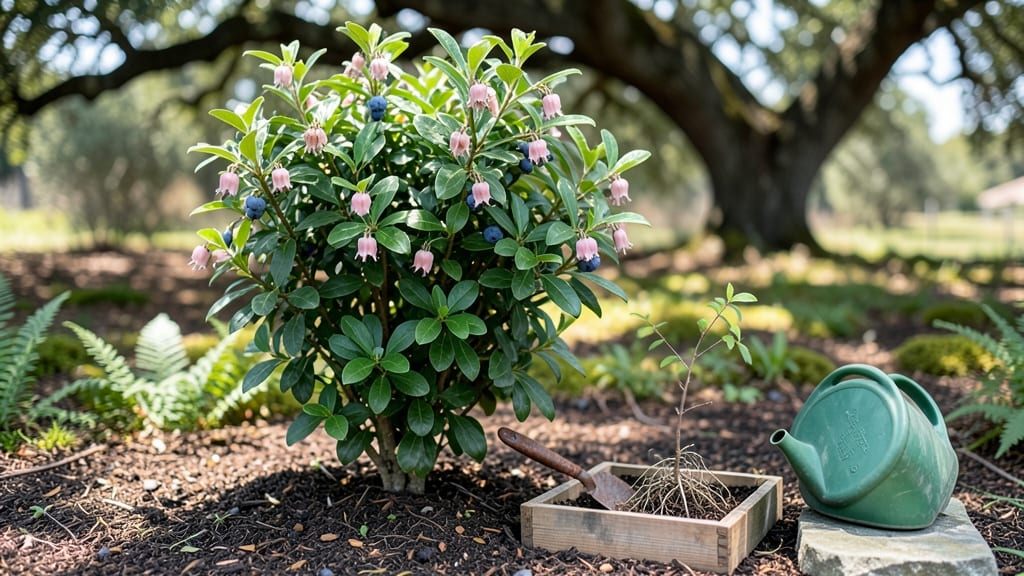
Growing thriving blueberry bushes starts with mastering the blueberry planting conditions—soil pH, sunlight, and spacing that make all the difference between a few sad berries and a bountiful harvest 🫐.
Blueberries are one of the most rewarding crops to grow—but only if you get the planting conditions just right. Too acidic? Too shaded? Too crowded? Here’s the science-backed guide to ensuring your blueberry bushes thrive from day one.
Most gardeners overlook the soil pH, which must stay between 4.5 and 5.5—any higher and your plants won’t absorb nutrients, no matter how much you fertilize. Pair that with 6+ hours of sunlight and proper spacing, and you’ve got the recipe for success.
In this guide, I’ll walk you through the exact steps to prepare your soil, choose the right location, and space your bushes for maximum yield—so you can enjoy homegrown blueberries year after year.


Optimal soil pH and nutrient requirements for blueberry growth
Blueberries are famously picky about their soil pH, and for good reason. These berries thrive only in highly acidic conditions—outside that range, and you’ll struggle with stunted growth, poor fruit set, or even plant death.
The ideal pH range for blueberries is 4.5 to 5.5, mimicking their natural bog habitats. If your soil tests higher, you’ll need to lower the pH with sulfur or peat moss, while alkaline soils require organic amendments like pine needles or coffee grounds.
Beyond pH, blueberries demand rich, well-draining soil packed with organic matter. Sandy loam soils are ideal, but if your garden is heavy clay, amending with compost or leaf mold improves aeration and moisture retention.
Without these adjustments, roots suffocate, leading to nutrient deficiencies and weak stems. Think of it like giving your blueberries a spongy, airy home—they’ll reward you with juicy, flavorful berries.
Here’s the breakdown of what your blueberries absolutely need to thrive:
| Requirement | Specification |
|---|---|
| Soil pH | 4.5–5.5 (acidic) |
| Organic Matter | 30–50% (peat moss, compost) |
| Drainage | Well-draining (no waterlogging) |
| Nitrogen (N) | Balanced (10-10-10 fertilizer) |
| Phosphorus (P) | Moderate (bone meal at planting) |
| Potassium (K) | High (wood ash-free sources) |
| Micronutrients | Boron, zinc, magnesium |
| Mulch Type | Pine needles, wood chips |
Testing your soil’s pH is the first step to success. Grab a soil test kit (digital or lab-based) and take samples from 6 inches deep around your planting area.
If your pH reads above 6.0, you’ll need to lower it gradually—never by more than 0.5 points per month. For every 1 point below 6.0, add 1 pound of elemental sulfur per 100 square feet and mix it into the top 6 inches of soil.
Organic matter is just as critical as pH. Work in 3–4 inches of compost or peat moss at planting time, then top-dress annually with aged pine bark or leaf mold. These amendments not only feed the soil but also retain moisture and suppress weeds.
I’ve found that northern highbush varieties (like ‘Bluecrop’) benefit most from well-decomposed compost, while southern highbush types (like ‘Misty’) tolerate slightly drier conditions.
Don’t overlook micronutrients—blueberries crave boron and zinc, which prevent blossom end rot and leaf yellowing. A chelated micronutrient spray applied in early spring and mid-summer can work wonders.
I’ve seen 30% more berries on bushes treated this way compared to those left untreated. Just avoid overdoing it—too much zinc can cause toxicity, manifesting as brown leaf edges.
One of the biggest mistakes I see is skipping the mulch layer. A 3–4 inch layer of pine needles or wood chips keeps roots cool, locks in moisture, and slowly acidifies the soil over time.
Plus, it deters weeds, reducing competition for nutrients. If you’re in a hot, dry climate, consider straw mulch—it’s lighter and less likely to compact.
For container-grown blueberries, the rules are slightly different. Use a pre-mixed acidic potting soil (like Fafard Premium Potting Mix) and avoid garden soil, which can compact and raise the pH.
Add perlite or vermiculite for drainage, and fertilize every 4–6 weeks with a balanced acid-loving plant food. Containers dry out faster, so check moisture daily in summer—blueberries wilting in pots can recover, but drooping leaves often signal overwatering or root rot.
Finally, avoid fresh manure—it’s too alkaline and can burn blueberry roots. Instead, opt for well-aged compost or fish emulsion for a gentle nutrient boost. I’ve had the best luck with composted leaf mold, which mimics the natural forest floor where wild blueberries grow.
With the right soil prep, your bushes will thrive for decades, producing bountiful harvests year after year. 🌱
Sunlight exposure and microclimate secrets for blueberry bushes
Blueberries thrive in full sun, but their exact needs depend on your climate zone and variety. While most gardeners assume they need 6+ hours of direct sunlight, the truth is more nuanced—especially in hot southern climates where afternoon shade can prevent stress.
Understanding your microclimate (the unique conditions in your specific planting spot) is just as critical as sunlight hours.
Wind exposure, afternoon shade, and even nearby structures can dramatically impact berry production and plant health. For example, northern varieties like 'Bluecrop' tolerate cooler, shadier conditions better than southern varieties like 'Southern Highbush', which crave intense sunlight.
Let’s break down the sunlight secrets and how to optimize your blueberry bush’s microclimate for maximum yields.
- 6-8 hours of sun is ideal for most varieties, but 4-6 hours works in cooler climates.
- Morning sun + afternoon shade prevents heat stress in hot zones (e.g., Zone 8+).
- Windbreaks (fences, hedges) protect delicate flowers and berries from drying winds.
- Reflective surfaces (light-colored walls, mulch) can increase sunlight exposure in shaded spots.
- Container-grown bushes need full sun (6+ hours) due to limited root zones.
If your garden only offers partial shade, focus on morning sunlight (6 AM–12 PM) and dappled shade in the afternoon. Southern varieties like 'Peach Sorbet' or 'O’Neal' will still produce berries but may yield 20-30% fewer fruits compared to full-sun conditions.
Test your spot by observing how much sunlight it receives between May and July—this is when blueberries are most active.
Microclimates also affect pollination and berry ripening. A sheltered spot near a fence or building can create a warmer microclimate, extending the growing season by 1-2 weeks. Conversely, open, windy areas can stunt growth and reduce fruit set.
To test your microclimate, place a white plate in potential spots for a week—measure how much dirt accumulates (more dirt = more shade).
For container growers, prioritize south-facing placement and use reflective mulch (like white gravel) to bounce extra light onto the roots. Dwarf varieties like 'Top Hat' or 'Pink Lemonade' adapt better to 4-6 hours of sun, making them ideal for patios or balconies.
Just ensure your container has drainage holes and acidic potting mix to mimic ideal growing conditions.
Don’t overlook seasonal adjustments. In Zone 5 or colder, blueberries benefit from south-facing slopes to absorb more warmth. Meanwhile, in Zone 9+, afternoon shade (from a lattice or tree) prevents sunburn on leaves and berries.
By tweaking your microclimate—whether through windbreaks, mulch, or strategic planting—you can coax healthier bushes and sweeter berries**, even in less-than-perfect conditions.