
Companion Plants
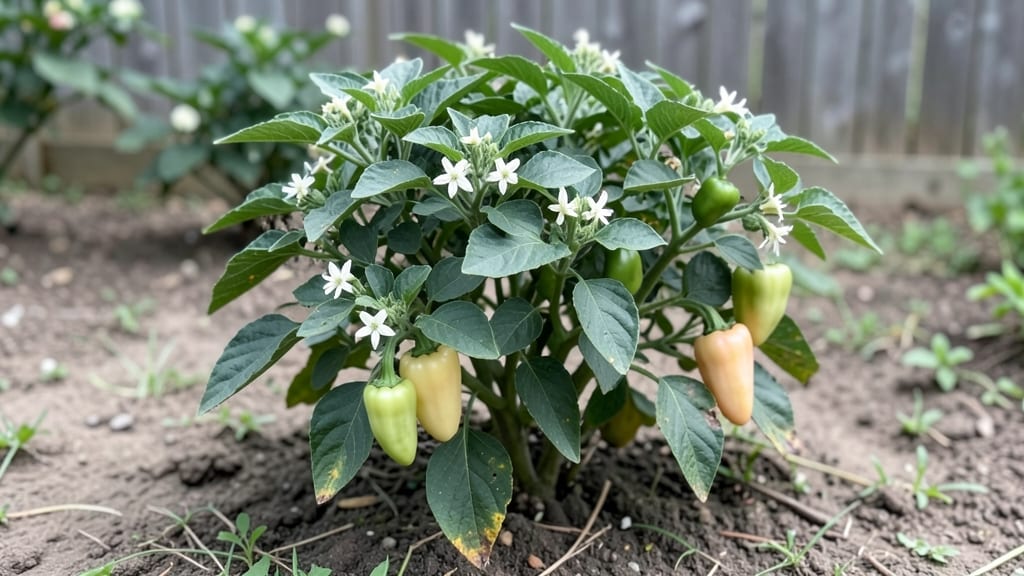
Growing Bonnie pepper plants means spicy, vibrant harvests that outperform store-bought varieties—if you nail the heat-loving care they demand. 🌶️ I’ve grown these fiery beauties for three summers now, and the secret isn’t just patience—it’s mimicking their tropical roots with warmth, rich soil, and precise watering.
These peppers aren’t your average bell cousins; they thrive when treated like high-maintenance divas, and the payoff? A bush that keeps producing long after other varieties fade.
Start with well-draining soil mixed with compost—Bonnie peppers hate soggy roots—and plant them in full sun (at least 6-8 hours daily). A 5-gallon container works for small spaces, while in-ground plants need 18-24 inches between each to avoid crowding.
Fertilize lightly with a balanced mix (10-10-10) every 4-6 weeks, but cut back once fruits form to prevent bitter flavors. The key? Consistency—these peppers reward steady care with bold, spicy yields that last from summer through fall.
Pests like aphids and spider mites love Bonnie peppers too, so I spray neem oil at the first sign of trouble. Harvest when fruits turn their signature color (red, orange, or yellow) and keep picking to encourage more production.
My plants now produce dozens of peppers per bush, and the heat? Unmatched. The trick is treating them like the high-value crops they are—every step matters, from soil prep to harvest timing.
Bonus hack: Extend the season by starting seeds indoors 8-10 weeks before last frost or using row covers in cooler months. These peppers aren’t just for summer—they’ll keep surprising you if you give them the right conditions. Ready to grow heat that packs a punch?
📚 In This Guide
- What you need
- Instructions
- Tips and common mistakes
- Wrapping up and next steps
What you need
- ● Bonnie pepper seeds or seedlings: 3–5 plants (for a small harvest) or 10+ (for a family-sized yield). Choose Bonnie for its bold, sweet-spicy flavor and heat tolerance!
- ● Well-draining potting mix or garden soil: 5–10 gallons per plant (or a compost-rich blend with perlite for containers).
- ● Containers (if not in-ground): 5-gallon pots or larger (minimum 12" deep) with drainage holes.
- ● Fertilizer: Balanced organic fertilizer (10-10-10) or compost tea for a nutrient boost.
- ● Mulch: Straw or shredded leaves to retain moisture and suppress weeds.
- ● Gloves & trowel (for planting and pruning).
- ● Watering can or hose with a gentle spray nozzle (peppers hate soggy roots!).
- ○ Stakes or cages (optional but helpful as plants grow tall).
- ● Pruning shears (for shaping and encouraging bushier growth).
- ○ Row covers or shade cloth (optional, for early-season frost protection).
- ● A sunny spot with at least 6–8 hours of direct sunlight daily.
- ● Warm soil (peppers thrive in temps above 60°F—wait until after last frost or use a greenhouse!).
- ● Patience! Bonnie peppers take 70–90 days to mature, so plan ahead for a long harvest.
Step-by-Step instructions for growing Bonnie pepper plants
Here's the foolproof method I use to coax bold, spicy peppers year-round—whether you're starting from seed or transplanting.
🌱 Step 1: Prepare Containers and Soil for Strong Starts
Bonnie peppers thrive in well-draining soil that stays moist but never soggy. Fill your 5-gallon containers with a mix of 50% potting soil and 50% compost, then fluff it up with a fork to eliminate compaction. Peppers hate dense roots, so break up any clumps larger than a quarter.
Add a handful of slow-release fertilizer (like 10-10-10) to each pot and mix it in. This ensures steady nutrition without burning tender roots. Press the soil down gently until it's firm but still crumbly—think of it as giving the roots a snug, supportive home. Water the mix until it's evenly damp, but not dripping.
🌿 Step 2: Plant Seeds or Transplants at the Right Depth
If starting from seed, plant 2-3 seeds per container at a depth of ¼ inch. Sowing too deep delays germination because the seedling must push through extra soil. Cover lightly with a sprinkle of additional mix, then mist the surface until it's damp but not wet.
For transplants, dig a hole twice as wide as the root ball and place the plant so the top of the root ball sits ½ inch below the container rim. This prevents stem rot from water pooling at the base. Gently firm the soil around the roots and water deeply to settle everything in place.
☀️ Step 3: Provide Warmth and Light for Rapid Growth
Bonnie peppers need full sun (6-8 hours daily) and warmth to thrive. Place containers in a spot where they'll get morning sun and afternoon shade if temperatures exceed 85°F. If growing indoors, position them under a grow light for 14-16 hours per day, keeping it 6-12 inches above the plants.
Keep soil temperatures between 70-85°F for best growth. If your space runs cooler, use a seedling heat mat until roots establish. Watch for leggy stems—this means your light source is too far away. Adjust it until the plants grow upright with dark green leaves.
💧 Step 4: Water and Fertilize for Bold, Spicy Peppers
Water when the top inch of soil feels dry, but never let the soil stay soggy. Peppers are sensitive to root rot, so always water at the base and avoid wetting the leaves. Use a drip irrigation system or watering can with a narrow spout to deliver moisture directly to the roots.
Feed plants every 4-6 weeks with a balanced fertilizer, then switch to a low-nitrogen, high-phosphorus blend (like 5-10-10) when flowers appear. This encourages fruit production instead of leafy growth. You'll know it's working when you see plump, vibrant peppers forming within 6-8 weeks of planting.
✂️ Step 5: Prune and Harvest for Continuous Yields
Pinch off the first few flowers that appear to redirect energy to the main plant. This ensures stronger stems and more robust fruit later. Once the plant is established, prune suckers (the small shoots that grow in the leaf axils) to improve airflow and reduce disease risk.
Harvest peppers when they reach 70-80% of their mature size to encourage more production. Use pruning shears to snip the stem just above a leaf node. This prevents damage to the plant and speeds up recovery. With consistent care, you'll enjoy year-round harvests of bold, spicy peppers.
Tips & tricks for perfect Bonnie pepper plants
Between us, growing Bonnie peppers isn't just about following steps—it's about understanding the little details that turn good plants into bold, spicy harvest machines.
Soil Texture Matters: In Step 1, when you're mixing that 50% potting soil and 50% compost, don't just eyeball it. Use your fingers to test the texture—it should crumble easily when squeezed but hold its shape. If it feels like wet sand, add more compost; if it's too dense, mix in perlite or vermiculite. Bonnie peppers hate waterlogged roots, and this texture ensures proper drainage while retaining enough moisture.
Seedling Heat Secret: Step 3 mentions keeping soil temperatures between 70-85°F, but here's what nobody tells you—the first 7-10 days are critical. If your space runs cooler than 70°F, invest in a seedling heat mat ($15 at garden centers) or place containers on top of your refrigerator. I've seen germination rates double with this simple trick. Cold soil = stalled growth.
Light Source Strategy: That 14-16 hours of grow light isn't just about duration—it's about distance. Start with the light 12 inches above your seedlings, then raise it gradually as they grow. Watch for those telltale leggy stems (long, weak growth) which means your light's too far. Adjust until leaves are dark green and compact, not pale and stretched. This prevents the "reaching" syndrome that wastes all your effort.
Fertilizer Timing Tweak: When you switch to that low-nitrogen, high-phosphorus blend in Step 4, here's the pro move: mix it into the top 2 inches of soil rather than applying it to the surface. This targets the root zone where new growth is happening. Also, reduce the amount by 25% if you're using liquid fertilizer—Bonnie peppers are sensitive to over-fertilizing, which leads to bitter fruit.
Pro Tips for Bonnie Pepper Plants
- Between us, growing Bonnie peppers isn't just about following steps—it's about understanding the little details that turn good plants into bold, spicy harvest machines.
- Soil Texture Matters: In Step 1, when you're mixing that 50% potting soil and 50% compost, don't just eyeball it.
- Seedling Heat Secret: Step 3 mentions keeping soil temperatures between 70-85°F, but here's what nobody tells you—the first 7-10 days are critical.
Frequently asked questions
Got questions about growing Bonnie pepper plants?
You’re not alone! Here are answers to the most common queries—from timing to troubleshooting—so you can grow bold, spicy peppers like a pro.
When is the best time to plant Bonnie pepper seeds or seedlings?
Start indoors 8–10 weeks before your last frost date (typically March–April in most climates). Transplant seedlings outdoors after soil warms to 60°F+ (15°C+). Bonnie peppers thrive in heat, so avoid early spring planting—they’ll sulk in cool soil! For year-round harvests, succession plant every 2–3 weeks.
How long does it take for Bonnie peppers to produce fruit?
Bonnie peppers are fast growers! From seed, expect first peppers in 60–75 days under ideal conditions (warm soil, full sun, consistent moisture). Seedlings may fruit slightly faster (50–60 days). Patience pays off—early blooms often drop, but keep nurturing for a full harvest!
What pests or diseases should I watch for with Bonnie pepper plants?
Common threats include aphids, spider mites, and pepper maggots. Prevent issues with:
- Neem oil sprays (for soft-bodied pests).
- Row covers (to block flying insects).
- Crop rotation (avoid planting in the same spot yearly).
Can Bonnie peppers survive cold weather or frost?
Nope! Bonnie peppers are tender annuals and cannot tolerate frost (below 32°F/0°C). If temps dip, cover plants with frost cloth or move potted plants indoors. For extended cold snaps, harvest mature peppers first—they’ll keep ripening indoors. Pro tip: Use a greenhouse or cold frame to extend the season!
What companion plants pair well with Bonnie peppers to boost growth?
Bonnie peppers love companion plants that deter pests and improve soil:
- Basil (repels thrips and improves flavor).
- Marigolds (confuse pests with their scent).
- Onions/garlic (ward off aphids).
- Avoid planting near fennel or beans—they compete for nutrients.
Why aren’t my Bonnie peppers fruiting—what am I missing?
Common culprits:
- Insufficient sunlight (6+ hours/day is a must).
- Over/under-watering (keep soil consistently moist but not soggy).
- Nutrient deficiencies (add balanced fertilizer or compost at planting).
- Temperature stress (peppers need 75°F+ (24°C+) to set fruit).
Wrapping up and next steps
Growing Bonnie pepper plants is a rewarding journey that brings bold flavors and spicy yields straight to your kitchen! 🌶️ With the right companion plants, year-round care, and a few clever hacks, you’ll enjoy a thriving garden that keeps producing—even in cooler months.
Whether you’re a seasoned gardener or just starting, these tips will set you up for success and delicious harvests.
Now that you’re armed with the knowledge, roll up your sleeves and get planting! Start small—try a few Bonnie peppers in containers or alongside your favorite companions—and watch your garden (and spice levels) soar. Happy growing! 🌱