
Neem Oil
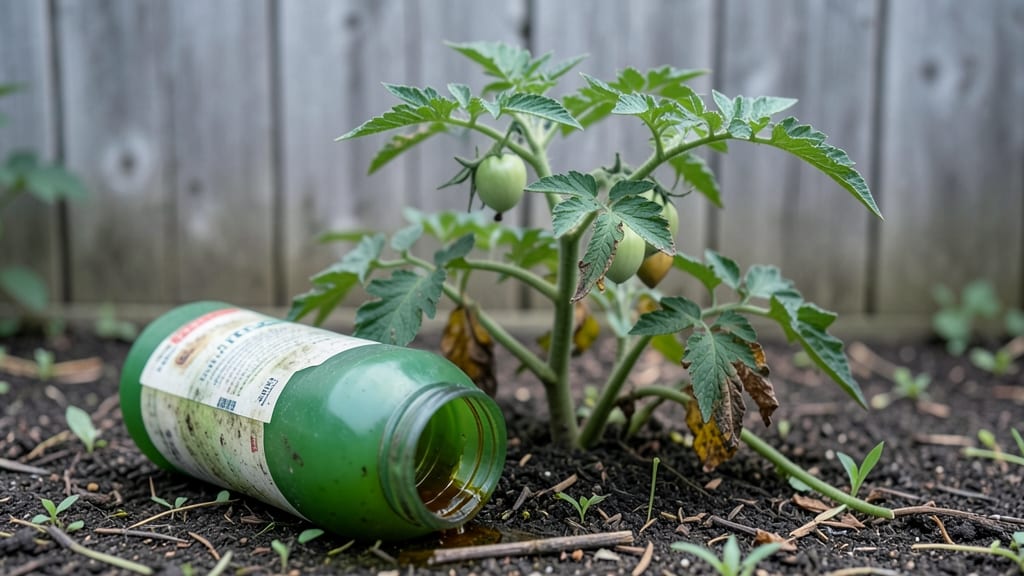
You can put neem oil on tomato plants safely, but it requires proper dilution (1-2 tablespoons per quart of water) and application during early morning or evening hours. Avoid spraying when flowers or fruit are present to protect pollinators and plant productivity.
Neem oil is a natural botanical pesticide that works by disrupting insect life cycles through its active compound, azadirachtin. 🌱 This makes it particularly effective against common tomato pests like aphids, whiteflies, and spider mites.
Unlike chemical pesticides, neem oil breaks down quickly in sunlight and rain, making it a safer option for organic gardens when used correctly. The key is timing—applying it in the cooler parts of the day helps prevent leaf burn while maximizing pest control.
For best results, always test a small leaf area first to check for sensitivity. I recommend using organic neem oil for maximum effectiveness, as refined versions may lack the full spectrum of beneficial compounds.
Remember to reapply every 7-14 days during active pest seasons, and always avoid spraying when bees are active to protect your garden's pollinators.
💡 In This Article
- How Neem Oil Works on Tomato Plant Pests
- Best Practices for Applying Neem Oil to Tomatoes
How neem oil works on tomato plant pests
Neem oil's power comes from its active compound, azadirachtin, which acts like a natural insect growth regulator. This compound interferes with pests' hormonal systems, preventing them from molting properly and ultimately disrupting their life cycles.
For example, aphids and whiteflies—common tomato plant invaders—cannot complete their development when exposed to neem oil, leading to their decline within days. The oil also contains salannin and nimbin, which repel insects through their strong bitter taste and smell, making plants less appealing to feed on.
The botanical mechanism is fascinating: azadirachtin binds to insect receptors that regulate feeding and reproduction, effectively starving pests and preventing reproduction. Unlike chemical pesticides that kill instantly, neem oil creates a slow-acting, systemic effect that weakens pests over time.
This is why it's particularly effective against soft-bodied insects like aphids, where the oil can penetrate their exoskeletons. For fungal issues like early blight or powdery mildew, neem oil works by disrupting the fungal cell membranes, preventing spore germination and spread.
What makes neem oil unique in organic gardening is its multi-faceted action. While chemical pesticides target specific pests through toxicity, neem oil operates on multiple fronts: repelling, disrupting feeding, and interfering with reproduction. This makes it a more sustainable solution for long-term pest management.
The oil also breaks down quickly in sunlight (within 24-48 hours), reducing environmental persistence compared to synthetic chemicals. However, this rapid breakdown means you'll need to reapply more frequently during active pest seasons.
For fungal control, neem oil's fungicidal properties come into play by inhibiting spore germination. Studies show it can reduce early blight severity by up to 60% when applied preventatively. The oil's natural antimicrobial compounds create an unfavorable environment for fungal growth on leaf surfaces.
This dual action against both insects and fungi makes neem oil a versatile tool in tomato plant care, especially in organic systems where chemical options are limited. The key difference from chemical pesticides is that neem oil works with the plant's natural defenses rather than overwhelming pests with toxicity.
Sensory details reveal why neem oil is so effective: its strong, earthy aroma deters many insects before they even make contact. When properly diluted, it leaves a faint oily residue on leaves that pests avoid.
Unlike harsh chemical sprays that can damage plant tissues, neem oil's botanical origin means it's generally safer when used correctly. The oil's natural compounds work in harmony with the plant's physiology, making it an excellent choice for maintaining tomato plant health without the environmental drawbacks of synthetic pesticides.
Here's what most gardeners don't realize: neem oil's effectiveness varies based on the oil's quality. Organic cold-pressed neem oil contains higher concentrations of active compounds like azadirachtin, while refined versions may be less potent. For maximum results, always choose 100% pure, cold-pressed neem oil with at least 2% azadirachtin content.
This ensures you're getting the full spectrum of beneficial compounds that make neem oil such a powerful organic solution for tomato plant care. 🌿