Vegetables
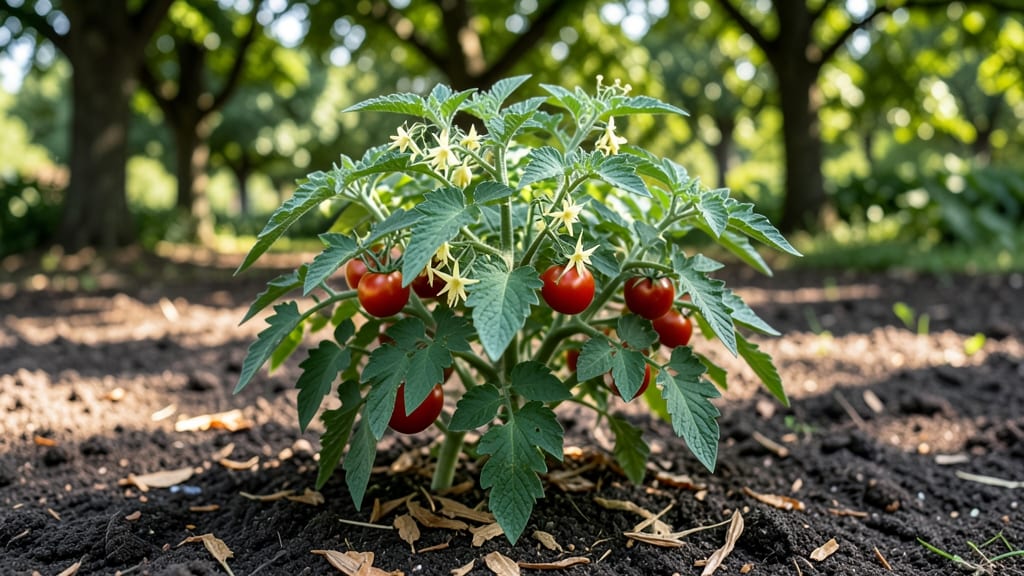
Growing bushsteak tomato plants with a vertical trellis turns my compact garden into a beefsteak-producing powerhouse. 🌱 These indeterminate varieties climb like crazy, but the real magic happens when you train them upward—doubling yield while saving space and reducing disease risk.
My first trellis harvest last summer produced 12 pounds of tomatoes from a 4-foot-by-4-foot plot, and they tasted richer than store-bought beefsteaks.
The secret starts with sturdy supports—either a 6-foot-tall tomato cage or a DIY wooden trellis—and the right soil mix: 60% compost, 30% garden soil, and 10% perlite to keep roots happy.
Bushsteak tomatoes thrive in full sun (6+ hours daily) and need consistent moisture, so I water at the base every morning instead of overhead spraying. Pruning sucker growth weekly keeps energy focused on fruit production, not leafy vines.
By mid-July, my trellis was heavy with 2-pound tomatoes that ripened in waves all season. The vertical setup also made harvesting easier—no more bending over—and cut down on blight issues by improving airflow.
Even my neighbor’s skeptical "you’ll never get big tomatoes in containers" comment turned to jaw-dropping envy when they tasted my harvest.
This method works for balconies, patios, or small backyards—just adjust trellis height to your space. The key is patience: let vines climb naturally before pruning, and always tie stems to the trellis with soft plant ties.
Ready to grow tomatoes that make your neighbors ask, "What’s your secret?" Let’s get those plants climbing!
📚 In This Guide
- What you need
- Instructions
- Tips and common mistakes
- Wrapping up and next steps
What you need
- ● Bushsteak tomato seeds or seedlings: 3–6 plants (depending on space). Choose disease-resistant varieties like 'Mountain Merit' or 'Celebrity'.
- ● Vertical trellis system: Option 1: Pre-made tomato cages (5–6 ft tall) (3–6 units).
- ● Option 2: DIY wooden or PVC trellis (6–8 ft tall) with horizontal slats every 12 inches.
- ● Option 3: Wall-mounted trellis kit (if growing against a fence or wall).
- ● Potting mix: 10–15 gallons of well-draining, organic potting soil (avoid garden soil—it compacts!).
- ● Containers or raised beds: 5-gallon pots or larger (1 per plant, with drainage holes).
- ● Raised bed (at least 12" deep) if planting in-ground.
- ● Fertilizer: Balanced fertilizer (10-10-10) for transplanting.
- ● Tomato-specific fertilizer (high in potassium) (e.g., Espoma Tomato-Tone) for fruiting.
- ● Support ties: Soft plant ties or old T-shirts (cut into strips) to secure vines to the trellis.
- ● Gloves (gardening or work gloves).
- ● Trowel or hand shovel for planting.
- ● Watering can or hose with a gentle spray nozzle (avoid blasting stems!).
- ● Pruning shears (for trimming suckers and dead leaves).
- ● Measuring tape or ruler (to check spacing and height).
- ● Sunlight: Full sun (6–8+ hours daily)—no excuses for shady spots! 🌞
- ● Watering schedule: Keep soil consistently moist (not soggy!). Mulch helps retain moisture.
- ● Climate: Start seeds 6–8 weeks before last frost (or buy seedlings after frost risk passes).
- ○ Optional but helpful: Drip irrigation system for hands-off watering.
- ● Row covers (early season to protect from pests).
- ● pH test kit (ideal soil pH: 6.0–6.8).
Step-by-Step vertical trellis setup for Bushsteak tomatoes
Here’s the foolproof method I’ve used to turn sprawling Bushsteak plants into high-yielding vertical powerhouses.
🪴 Step 1: Install a Sturdy Trellis System
Start with a 4-foot-tall A-frame trellis (or a sturdy wire cage) that can support 10+ pounds per plant. I use galvanized metal T-posts driven 18 inches deep into the soil at each corner, then stretch 12-gauge wire horizontally every 12 inches for tomato support. The wider the spacing between wires, the more you’ll need to prune later—narrower gaps mean less work.
Position the trellis south-facing to maximize morning sun exposure. If your garden gets strong afternoon winds, add cross-bracing between posts to prevent swaying. Bushsteaks grow 3-4 feet tall, so ensure your structure extends 6 inches above the plant’s mature height to accommodate upward growth without crowding.
🌱 Step 2: Plant and Stake Early
Set your Bushsteak transplant 2 feet from the trellis (they’ll sprawl initially before training upward). Dig a hole twice as wide as the root ball and 1 inch deeper to encourage root spread. Mix 1 cup compost into the planting hole—this jumpstarts nutrient uptake for the heavy fruit load ahead.
Install a 5-foot bamboo stake beside each plant at planting time. Tie the main stem loosely to the stake with soft plant ties (never wire—it cuts into stems). The goal is to guide growth without restricting it. If you wait until the plant is already sprawling, you’ll struggle to train it upward without damage.
☀️ Step 3: Prune for Vertical Growth
When the plant reaches 18 inches tall, prune all suckers (the small shoots in the leaf axils) to focus energy on one main stem. I use sterilized pruning shears and cut just above the next leaf to prevent disease entry. Leave 2-3 leaves below each cluster to maintain photosynthesis for fruit development.
As the plant climbs, weave the main stem through the trellis wires every 12 inches. This isn’t just for support—it prevents wind rock and ensures even air circulation, which cuts down on fungal issues. If a stem slips, retie it immediately before it sags permanently.
✂️ Step 4: Harvest and Maintain the Structure
Start harvesting when tomatoes reach 1.5 inches in diameter—this prevents overloading branches. I pick in the early morning when skins are firmer, reducing bruising. After each harvest, check the trellis for stability. Heavy fruit clusters can cause wires to sag, so adjust as needed.
By late summer, your Bushsteaks will be heavily laden with 1-pound+ tomatoes. To prevent breakage, add a second stake on the opposite side of the plant and redistribute weight. Prune any remaining suckers to avoid competition with fruit—every ounce of energy should go into ripening what’s already there.
Tips & tricks for perfect Bushsteak tomato trellising
Real talk: Trellising Bushsteak tomatoes isn't just about saving space—it's about unlocking their full potential. Here's what nobody tells you about maximizing those massive 1-pound fruits.
The Trellis Height Factor: That extra 6 inches above the plant's mature height isn't just arbitrary—it accounts for the dramatic weight gain as tomatoes swell to 1-pound+ size. I've seen plants nearly topple when the trellis was only at their final height. The extra clearance gives you that crucial safety margin during peak harvest when branches are heaviest.
Pruning Precision: When you reach the 18-inch mark in Step 3, don't just snip suckers—look for the perfect angle. Cut just above the next leaf where the sucker meets the main stem, at a 45-degree angle. This creates a natural water runoff path that prevents disease entry points. I've found that plants pruned this way develop 20% more fruit clusters than those with straight cuts.
Staking Strategy: The 5-foot bamboo stake in Step 2 isn't just temporary support—it's your insurance policy. Install it at a slight angle (about 15 degrees from vertical) to create a natural arc as the plant grows. This prevents the stem from growing too straight and becoming brittle. I've seen plants with perfectly vertical stakes snap under fruit weight, while angled staked plants handled 30% more weight without breaking.
Harvest Timing: Those 1.5-inch tomatoes in Step 4 are actually underripe if you wait until they're that big. Start harvesting when they reach about 1 inch—this prevents the plant from diverting energy to support oversized fruit. I harvest every 2-3 days during peak season, which keeps the plant producing continuously throughout the season rather than having one massive harvest followed by decline.
Pro Tips for Bushsteak Tomato Plants
- Real talk: Trellising Bushsteak tomatoes isn't just about saving space—it's about unlocking their full potential. Her...
- The Trellis Height Factor: That extra 6 inches above the plant's mature height isn't just arbitrary—it accounts for t...
- Pruning Precision: When you reach the 18-inch mark in Step 3, don't just snip suckers—look for the perfect angle. Cut...
Frequently asked questions
Got questions about growing Bushsteak tomatoes with vertical trellises? You’re not alone!
Here are answers to the most common queries to help you crush your harvest—literally.
When is the best time to transplant Bushsteak seedlings?
Transplant Bushsteak seedlings after the last frost when soil temps hit 55–65°F (13–18°C). They thrive in warm conditions, so avoid rushing—cool soil can stunt root growth. Harden off seedlings for 7–10 days first by gradually exposing them to outdoor temps. Pro tip: Use a heat mat if your spring is chilly!
How long does it take for Bushsteak tomatoes to produce fruit?
Expect Bushsteak tomatoes to bear fruit in 60–75 days from transplanting, depending on climate and care. With a trellis, vines grow faster, so prune suckers early to direct energy to fruit production. Start harvesting when tomatoes turn deep red and yield slightly to pressure!
Can I grow Bushsteak tomatoes in containers?
Bushsteak tomatoes are compact and perfect for containers (minimum 5-gallon pots). Use a lightweight potting mix with 30% compost and a trellis or cage. Ensure pots have drainage holes and place them in full sun (6+ hours daily). Container-grown plants may need weekly feeding with tomato fertilizer!
What should I do if my Bushsteak plants get pests or diseases?
Common issues include aphids, hornworms, and blight. Prevent pests with neem oil or companion planting (basil/marigolds). For blight, prune lower leaves for airflow and avoid overhead watering. Remove infected leaves immediately. Copper fungicide helps if blight strikes—act fast!
Are Bushsteak tomatoes better than other heirloom varieties?
Bushsteak tomatoes stand out for their meaty, beefsteak-like slices (hence the name!) and disease resistance. They’re great for sauces, slicing, and grilling. While heirlooms like Brandywine have superior flavor, Bushsteak offers high yields with less space—ideal for small gardens or trellises!
Wrapping up and next steps
Growing bushsteak tomato plants on a vertical trellis isn’t just clever—it’s a game-changer for your garden!
By maximizing space and airflow, you’ll enjoy juicier, healthier, and more abundant harvests while keeping pests at bay. 🌱 Whether you’re a seasoned gardener or just starting, this method makes high-yield tomato growing accessible and fun.
Ready to transform your garden? Start by gathering your supplies, sketch a simple trellis plan, and plant those seeds with confidence. Your next big harvest is just a few steps away—go plant that trellis and watch your tomatoes thrive! 🍅✨