
Companion Plants
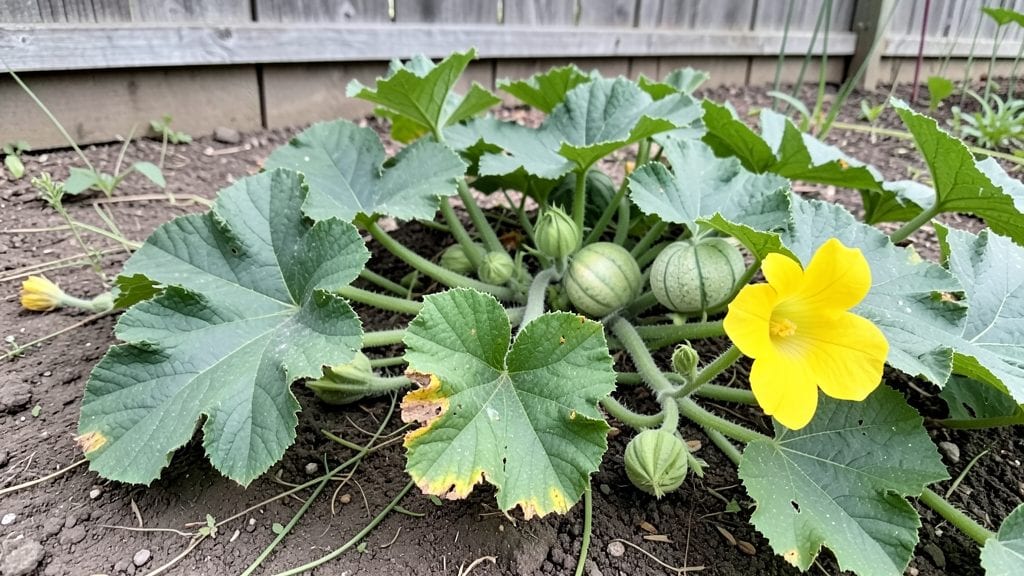
Buttercup squash plants are the unsung heroes of summer gardens—compact, productive, and surprisingly sweet. 🌱 I grew them last year and ended up with more squash than I knew what to do with, all while keeping pests at bay.
These bushy plants thrive in small spaces and produce flavorful fruits that taste sweeter than most store-bought varieties.
The secret to their success lies in their simple care routine: well-draining soil, 6-8 hours of sunlight daily, and consistent watering to keep the roots happy. Buttercup squash also acts as a natural pest deterrent, repelling squash bugs and cucumber beetles that plague other vining squash.
Plant them alongside basil or marigolds for even better protection.
By midsummer, you'll be harvesting 3-5 pound fruits with a rich, nutty flavor—perfect for roasting or stuffing. The plants stay compact (about 3 feet wide), making them ideal for containers or small garden plots.
With proper spacing (3-4 feet apart), you'll avoid overcrowding and ensure each plant gets the airflow it needs.
Fair warning: once you taste homegrown buttercup squash, store-bought versions won't compare. The key is patience—give them 60-70 days of warm weather, and you'll be rewarded with a harvest that lasts all summer. Ready to grow yours?
📚 In This Guide
- What you need
- Instructions
- Tips and common mistakes
- Wrapping up and next steps
What you need
- ● Buttercup squash seeds – 3–5 seeds per plant (or 1–2 seedlings if transplanting). Choose heirloom or disease-resistant varieties (e.g., 'Waltham Butternut').
- ● Well-draining potting mix or garden soil – Amend with compost (2–3 inches) for nutrient-rich beds. Aim for a pH of 6.0–7.0.
- ● Containers or garden space – 2–3 feet of diameter per plant (or hill mounds for bush varieties). Containers need drainage holes and 10+ gallons capacity.
- ● Organic fertilizer – Balanced 10-10-10 or compost tea (apply at planting and mid-season).
- ● Watering can or hose with a gentle spray nozzle – Buttercups need 1–2 inches of water weekly (more during flowering/fruiting).
- ○ Garden twine or stakes (optional but helpful) – Vining varieties may need support (3–4 feet tall).
- ● Mulch (straw or shredded leaves) – 2–3 inches to retain moisture and suppress weeds.
- ● Companion plants – Marigolds, nasturtiums, or beans (buttercups repel pests naturally—so they’re great neighbors!).
- ● Row covers (lightweight fabric) – Protects young seedlings from cucumber beetles.
- ● Pruning shears – For trimming yellowing leaves or excess vines.
- ● Soil moisture meter – Ensures consistent hydration (buttercups hate soggy roots).
- ● Neem oil or insecticidal soap – For targeted pest control (if needed).
Step-by-Step instructions for growing buttercup squash plants
Here’s the method I’ve used to grow vigorous buttercup squash that naturally deters pests while producing sweet, abundant harvests.
🌱 Step 1: Choose the Right Location and Prepare Soil
Buttercup squash thrives in full sun, so pick a spot that gets at least 6-8 hours of direct sunlight daily. I always test soil drainage first—squash hates soggy roots. Amend heavy clay with 2-3 inches of compost to improve aeration and nutrient retention.
Buttercup squash prefers slightly acidic to neutral soil (pH 6.0-7.0). If your soil tests higher, work in 1-2 cups of sulfur per 100 square feet a few weeks before planting. Avoid fresh manure—it can burn tender squash roots. Instead, use well-aged compost or a balanced 10-10-10 fertilizer at planting time.
🪴 Step 2: Plant Seeds or Transplants at the Right Time
Wait until soil temperatures reach 60°F or warmer—cold soil delays germination and invites rot. If starting from seed, plant 1 inch deep, spacing seeds 2-3 inches apart in hills. For transplants, bury them 1 inch deeper than their container level to encourage strong root systems.
Buttercup squash needs warmth to germinate, so I always use black plastic mulch to raise soil temperature. This also suppresses weeds and retains moisture. Space hills 3-4 feet apart—squash vines spread aggressively and need room to thrive. Thin seedlings to 1-2 plants per hill once they have 2-3 true leaves to avoid competition.
☀️ Step 3: Provide Consistent Water and Pest Protection
Water deeply 1-2 times per week, aiming for 1-1.5 inches of water per week. Buttercup squash is drought-tolerant once established, but uneven moisture causes bitter fruit. I water at the base in the morning to prevent fungal diseases like powdery mildew, which loves damp foliage.
This variety naturally repels pests like squash bugs and cucumber beetles, but I still monitor for early signs of damage. If you spot eggs or adults, handpick them or spray with neem oil in the evening for best results. Avoid overwatering—soggy soil invites rot and attracts pests you don’t want near your harvest.
✂️ Step 4: Prune and Support Vines for Maximum Yield
Buttercup squash vines grow 6-8 feet long, so I train them along lightweight trellises or stakes to save space and improve airflow. Prune yellowed or diseased leaves immediately—don’t let them linger. I also remove male flowers (the ones with long stems) to redirect energy into female flowers (the ones with tiny squash forming at the base).
Harvest when squash reach 6-8 inches in diameter and their skin turns deep yellow with slight ribbing. Use a sharp knife or pruners to cut stems, leaving 1 inch of stem attached to prevent rot. Regular harvesting encourages more production—don’t let squash overmature on the vine, or they’ll turn woody and bitter.
🌿 Step 5: Extend the Season with Proper Care
Buttercup squash is a warm-season crop, so protect late-season plants with row covers if frost threatens. I also mulch heavily with straw to insulate roots and retain moisture. If your growing season is short, start seeds indoors 2-3 weeks before the last frost and transplant after all danger of frost has passed.
At season’s end, compost all plant debris—don’t leave it in the soil, as it can harbor pests and diseases. Rotate planting locations next year to prevent soil-borne issues. With proper care, buttercup squash will reward you with sweet, prolific harvests and minimal pest trouble—exactly what you’re after!
Tips & tricks for perfect buttercup squash growth
These battle-tested strategies will help you cultivate buttercup squash that thrives with minimal pest pressure and maximum productivity.
Soil Temperature Secret: The 60°F soil temperature threshold isn't just a number—it's your germination guarantee. I use a soil thermometer to confirm warmth before planting, especially in cooler climates. For a head start, lay down black plastic mulch a week before planting to naturally raise soil temperatures by 5-10°F. This creates an ideal environment where seeds germinate in just 5-7 days rather than dragging out for weeks.
Watering Wisdom: Those 1-1.5 inches of water per week might seem like a small amount, but consistency is everything. I install a simple rain gauge near my garden to track moisture precisely. The key is morning watering at the base—this prevents fungal diseases while ensuring roots develop deeply. If you notice the leaves curling slightly during the day, that's your plant's way of telling you it's thirsty and needs water.
Pruning Strategy: When you're removing those male flowers in Step 4, don't just yank them—snip them cleanly with pruners just above the node where they attach. This redirection of energy to female flowers can increase your yield by up to 30%. I also recommend pruning any suckers (side shoots) that form in the leaf axils—they compete with your main vines for nutrients. Just be sure to sterilize your pruners with rubbing alcohol between cuts to prevent disease spread.
Harvest Timing: The 6-8 inch diameter range might seem broad, but timing is everything for that sweet spot. I harvest when the squash develops slight ribbing and the skin turns deep golden yellow—this indicates peak sweetness. If you wait too long, the skin will harden and the flesh will become stringy. For continuous production, harvest every 3-4 days once the plant starts producing—this encourages more flowers to develop.
Pro Tips for Buttercup Squash Plants
- These battle-tested strategies will help you cultivate buttercup squash that thrives with minimal pest pressure and maximum productivity.
- Soil Temperature Secret: The 60°F soil temperature threshold isn't just a number—it's your germination guarantee.
- Watering Wisdom: Those 1-1.5 inches of water per week might seem like a small amount, but consistency is everything.
Frequently asked questions
Got questions about growing buttercup squash plants? You’re not alone! Here are some of the most common queries—plus straightforward answers to help you cultivate a thriving garden.
How long does it take for buttercup squash to mature?
Buttercup squash typically takes 75–90 days from transplanting to harvest, depending on your climate. In warmer regions, you might see ripe squash as early as 70 days. Keep an eye on the skin—when it turns a deep yellow and feels firm, it’s ready to pick!
What are the most common pests that attack buttercup squash?
Squash bugs, cucumber beetles, and squash vine borers are the top culprits. Prevent them with row covers early in the season and handpick pests daily. Companion plants like marigolds or nasturtiums can also deter pests naturally.
Can I grow buttercup squash in containers?
Yes! Buttercup squash thrives in 5-gallon containers or larger with well-draining soil. Ensure the container has a trellis or support for vining varieties. Just be mindful of watering frequency—containers dry out faster than in-ground beds.
How do I store harvested buttercup squash?
Store whole, uncut buttercup squash in a cool (50–55°F), dry place for up to 3 months. Avoid refrigeration—it can cause the squash to spoil faster. For cooked or cut squash, use within 5–7 days or freeze portions.
What can I plant near buttercup squash for pest control?
Buttercup squash benefits from companion planting! Try bush beans, radishes, or herbs like basil or dill to repel pests. Avoid planting near potatoes or melons, as they compete for nutrients.
Wrapping up and next steps
Growing buttercup squash plants isn’t just about adding a delicious harvest to your garden—it’s a smart way to naturally protect your other plants from pests while boosting biodiversity. With their hardy nature and companion-planting superpowers, these squash are a game-changer for both beginners and seasoned gardeners. 🌱✨
Ready to put your newfound knowledge into action? Start by selecting a sunny spot in your garden, gather your supplies, and plant those buttercup seeds or seedlings this season.
Before you know it, you’ll be reaping the rewards of a thriving, pest-resistant garden—and maybe even sharing your bounty with neighbors! 🍂💚