
Plants
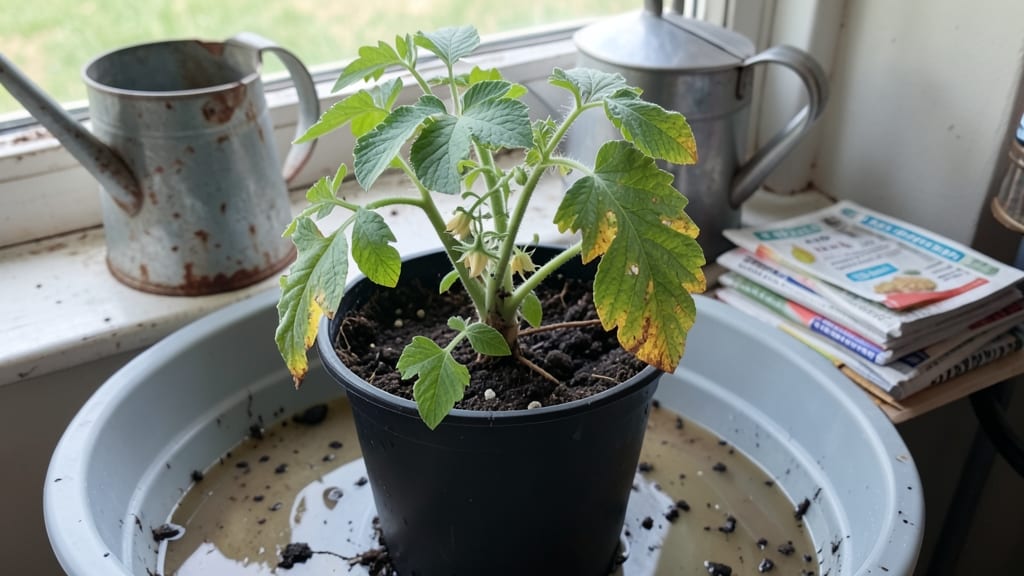
Plants can drown when overwatered, suffocating roots by blocking oxygen and causing root rot, which stunts growth and leads to yellowing leaves or wilting. Proper drainage and soil moisture balance prevent this common issue.
When soil stays too wet for too long, roots can't breathe, leading to a dangerous buildup of harmful bacteria and fungi. 🌱 This creates an anaerobic environment where roots essentially suffocate, preventing them from absorbing nutrients.
I've seen this happen most often with houseplants in pots without drainage holes—water pools at the bottom, creating the perfect conditions for rot. The key is understanding your plant's specific needs; some tropical varieties tolerate more moisture, while succulents and cacti need dry conditions to thrive.
Recognizing the early signs—like yellowing leaves, stunted growth, or a foul smell from the soil—can save your plant. The good news is that many plants can recover if you act quickly by adjusting watering habits, improving drainage, and sometimes repotting with fresh, well-draining soil.
Prevention is always easier than fixing an overwatered mess, so I recommend sticking your finger in the soil before watering to check moisture levels.
💡 In This Article
- How Overwatering Triggers Root Rot in Plants
- Signs of Drowning Plants and Species-Specific Recovery Steps
How overwatering triggers root rot in plants
Here's what happens at the cellular level when roots get too much water: oxygen levels plummet because water displaces air in soil pores. Roots need oxygen to respire—just like we need air to breathe—and when deprived, they switch to anaerobic respiration, producing toxic ethanol and lactic acid as byproducts.
This chemical buildup damages root cell membranes within 24-48 hours of waterlogging, leading to cell death. The process accelerates in temperatures above 75°F, where microbial activity spikes and pathogens like Phytophthora thrive in saturated conditions. 🔥
The microbial imbalance is the second critical factor. Beneficial soil microbes that help roots absorb nutrients—like mycorrhizal fungi—die off in waterlogged conditions, while harmful bacteria and fungi multiply. These pathogens release enzymes that break down root tissue, creating the characteristic mushy texture of rotting roots.
You'll often see this in container plants where drainage holes are missing or clogged, trapping excess moisture. The root zone becomes a toxic soup where beneficial microbes can't survive and pathogens dominate.
Plant species vary wildly in their tolerance for wet conditions. Succulents and cacti, for example, have adapted to store water and have roots that rot within 12-24 hours of overwatering.
Their cells lack the protective barriers found in moisture-loving plants like ferns or calatheas, which can handle damp soil for slightly longer periods. Even among tropical plants, there's a spectrum: orchids and bromeliads are epiphytes that naturally grow with excellent drainage, while peace lilies and philodendrons tolerate occasional soggy conditions.
This is why your snake plant might survive a week between waterings while your pothos shows signs of stress after just 3-4 days of overwatering.
What most people don't realize is how quickly this process happens. The first visible symptoms—yellowing leaves or wilting—often appear 5-7 days after overwatering begins, but the root damage is already irreversible. The plant's vascular system gets clogged with decaying tissue, preventing water and nutrient transport even if you stop watering.
This is why rescue attempts often fail: by the time you notice the symptoms, the root system may already be 50-70% compromised. The key is monitoring soil moisture with your finger rather than relying on a watering schedule.
Consider these physiological differences between plant types when watering:
- Succulents/Cacti: Roots die in 12-24 hours of excess moisture; need soil to dry completely between waterings
- Tropicals (e.g., ferns, calatheas): Can handle 3-5 days of damp soil before stress appears
- Epiphytes (orchids, bromeliads): Require 60-70% air space in their medium; water only when medium is nearly dry
- Vegetables (tomatoes, peppers): Need consistent moisture but with 1-2 inches of dry soil at the surface between waterings
The most critical factor in preventing root rot is soil composition. A well-draining mix with 30-40% perlite or sand maintains oxygen levels while allowing excess water to escape. For container plants, ensure drainage holes are present and covered with mesh to prevent clogging.
The texture of properly drained soil should resemble a damp sponge rather than a wet rag—you should be able to squeeze it gently and see water beads form without the soil feeling soggy. 💫