
Companion Plants
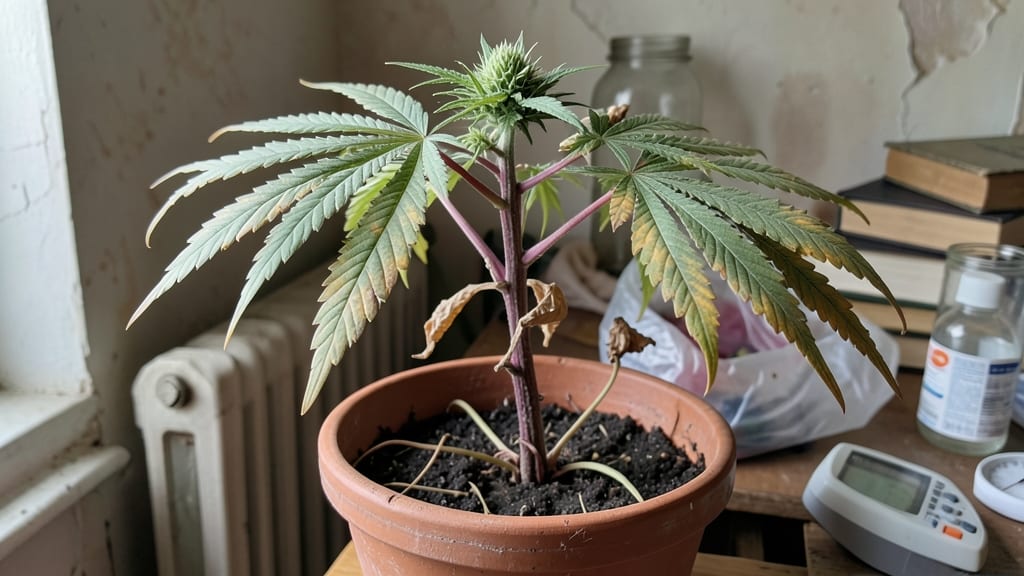
When your cannabis plants look sick, it’s not always a death sentence—just a call for action. 🌱 I’ve nursed back plants with yellowing leaves, spider mite webs, and even mold, and these three organic fixes have saved my garden every time.
The key is identifying the problem first, then treating it before it spreads.
Most issues stem from three culprits: nutrient burn, pests, or fungal infections. Overwatering or harsh fertilizers cause yellowing leaves, while spider mites leave behind fine webbing and speckled foliage. Powdery mildew shows up as white dust on stems and leaves—all signs your plants need immediate care.
The good news? Organic solutions like neem oil, hydrogen peroxide sprays, and proper airflow adjustments work fast.
Within days, you’ll see new growth pushing through, leaves regaining their deep green color, and pests disappearing. The plants rebound stronger than before, and you avoid the heartbreak of losing an entire harvest. Prevention is easier than fixing—just monitor humidity, rotate plants for airflow, and inspect leaves weekly.
Whether you’re dealing with a single wilting branch or a full garden crisis, these methods adapt to any stage of growth. Let’s get those plants back to thriving in no time—naturally and effectively.
Root Causes Of Cannabis Plant Illness
When your cannabis plants start looking off—yellowing leaves, stunted growth, or wilting stems—it’s often a cry for help from your garden. Understanding the why behind these symptoms is the first step to saving your crop.
Below, we break down the most common culprits, backed by science, so you can diagnose and treat your plants like a pro.
Cannabis thrives in a stable environment, but extreme fluctuations in temperature or humidity can shock your plants into sickness. Here’s how it happens:
- Too Hot: Temperatures above 85°F (29°C) can cause heat stress, leading to leaf curl, wilting, and even sunburn (visible as white or brown patches). High heat also disrupts photosynthesis, starving the plant of energy.
- Too Cold: Dropping below 50°F (10°C) slows metabolic processes, causing cold shock. Symptoms include dark, mushy stems, yellowing leaves, and stunted growth. Frost can kill tissue outright.
- Humidity Issues:
- Low Humidity (<40%): Leads to transpiration stress, where plants lose water faster than they can absorb it. Leaves may crisp at the edges or develop brown tips.
- High Humidity (>70%): Creates a perfect breeding ground for mold and mildew (like powdery mildew or bud rot). Stagnant air also restricts gas exchange, suffocating roots and leaves.
Actionable Fix: Use a hygrometer to monitor humidity and an oscillating fan to improve airflow. For temperature, ensure proper ventilation and avoid placing plants near heaters or AC vents.
Water is life—but too much of it is a death sentence for cannabis. Overwatering suffocates roots by cutting off oxygen, leading to:
- Root Rot: Caused by fungal pathogens like Phytophthora or Pythium, which thrive in waterlogged soil. Symptoms include black, mushy roots, a foul smell, and wilting despite wet soil.
- Nutrient Lockout: Excess water flushes essential nutrients (like nitrogen, phosphorus, and potassium) out of the root zone, leading to yellow leaves (chlorosis) and weak stems.
- Mold & Bacteria: Stagnant water on soil surfaces encourages botrytis (bud rot) and bacterial leaf spot, which appear as dark, water-soaked patches.
Actionable Fix:
- Use well-draining soil mixes (e.g., 60% soil, 30% perlite, 10% worm castings).
- Water only when the top 1-2 inches of soil are dry.
- Ensure pots have drainage holes and elevated trays to prevent soggy roots.
Cannabis is a heavy feeder, but too much—or too little—of certain nutrients can turn your plants into a science experiment gone wrong. Here’s what to watch for:
| Nutrient | Deficiency Symptoms | Toxicity Symptoms |
|---|---|---|
| Nitrogen (N) | Yellowing leaves (starting with older ones), stunted growth, weak stems. | Dark green, thick leaves; excessive vegetative growth; slow flowering. |
| Phosphorus (P) | Purple or dark green stems/leaves, delayed flowering, weak root development. | Leaf burn (brown tips), stunted growth, reduced flower production. |
| Potassium (K) | Yellowing leaf edges (like a "scorched" look), weak stems, poor disease resistance. | Leaf curling, brown spots, excessive wilting. |
| Calcium (Ca) | Young leaves curl upward, distorted growth, blossom-end rot in fruits. | Leaf tip burn, restricted root growth. |
| Magnesium (Mg) | Yellowing between leaf veins (interveinal chlorosis), weak stems. | Leaf burn, stunted growth. |
Actionable Fix:
- Test your soil with a pH meter (ideal range: 6.0–7.0). Nutrients become unavailable if pH is off.
- Flush soil with pH-balanced water if you suspect toxicity.
- Use organic amendments like bat guano (phosphorus), kelp meal (potassium), or Epsom salt (magnesium) for deficiencies.
Invisible invaders like spider mites, fungal spores, or bacterial colonies can turn your cannabis into a buffet. Here’s how they strike:
- Fungal Infections (e.g., Powdery Mildew, Bud Rot):
- Caused by Erysiphe or Botrytis spores, thriving in high humidity and poor airflow.
- Symptoms: White powdery coating (mildew) or gray, moldy buds (bud rot).
- Bacterial Infections (e.g., Leaf Spot, Xanthomonas):
- Spread via contaminated water or tools, causing water-soaked lesions that turn yellow/brown.
- Often irreversible—prevention is key.
- Pests (e.g., Spider Mites, Aphids, Thrips):
- Pierce leaves to feed on sap, causing yellow stippling, webbing, or sticky residue (honeydew).
- Weakens plants, making them susceptible to secondary infections.
Actionable Fix:
- Inspect plants daily under a magnifying glass.
- Use neem oil or hydrogen peroxide spray (3%) for fungal/bacterial issues.
- Introduce beneficial insects (like ladybugs or predatory mites) for pest control.
- Quarantine new plants for 2 weeks to prevent outbreaks.
Now that you know the why,
Revive Your Cannabis Garden Naturally
When your cannabis plants show signs of distress, quick action can make all the difference—especially if you’re leaning toward organic solutions. Below, we’ve mapped out practical fixes for common issues, from nutrient deficiencies to pests, along with prevention tips to keep your garden thriving long-term.
Yellowing leaves are often the first sign of trouble, but the cause (and fix) depends on where the discoloration starts.
🔥 Root Zone Yellowing (Overwatering or Root Rot)
- Cause: Soggy soil cuts off oxygen, leading to root rot.
- Fix:
- Stop watering immediately and let the soil dry out for 2–3 days.
- Repot if severe: Remove the plant, trim dead roots, and replant in fresh, well-draining soil.
- Add perlite or coco coir to improve drainage.
- Prevention:
- Use a moisture meter to avoid overwatering.
- Ensure pots have drainage holes.
🍳 Lower Leaves Yellowing (Nitrogen Deficiency)
- Cause: Old leaves turn yellow when nitrogen is lacking.
- Fix:
- Feed with organic nitrogen (fish emulsion, compost tea, or worm castings).
- Flush the soil with pH-balanced water to remove excess salts.
- Prevention:
- Test soil pH (ideal: 6.0–7.0).
- Rotate nutrients every 2–3 weeks.
👨🍳 Upper Leaves Yellowing (Overfeeding or Burn)
- Cause: Too much fertilizer or high salt buildup.
- Fix:
- Flush the soil with distilled water (repeat 2–3 times).
- Use chelated nutrients to avoid salt lockout.
- Prevention:
- Follow a TDS (Total Dissolved Solids) meter to monitor nutrient strength.
Fungal issues like powdery mildew or bud rot thrive in humid, stagnant conditions.
🥘 Powdery Mildew (White Dusty Spots)
- Cause: High humidity + poor airflow.
- Fix:
- Spray with neem oil or hydrogen peroxide (3%) to kill spores.
- Increase airflow with fans or prune dense foliage.
- Reduce humidity (aim for 40–60%).
- Prevention:
- Space plants 12–18 inches apart for better airflow.
- Use reflective surfaces to boost light penetration.
🔪 Bud Rot (Gray Mold on Flowers)
- Cause: Wet buds + low light.
- Fix:
- Remove infected buds immediately to prevent spread.
- Apply a baking soda spray (1 tsp baking soda + 1 quart water + a drop of soap).
- Increase light intensity (LED grow lights help).
- Prevention:
- Harvest buds when dry (not damp).
- Use a dehumidifier in the grow space.
Pests like spider mites, aphids, or fungus gnats can weaken plants quickly.
🌡️ Spider Mites (Tiny Webs & Yellowing Leaves)
- Cause: Dry heat + lack of humidity.
- Fix:
- Spray with soapy water (1 tsp mild soap per quart of water).
- Introduce predatory mites (like Phytoseiulus persimilis).
- Increase humidity to 50–70%.
- Prevention:
- Mist plants daily to deter mites.
- Use sticky traps to monitor early infestations.
🎯 Aphids (Sticky Residue & Curling Leaves)
- Cause: Weak plants attract aphids.
- Fix:
- Blast off with water (strong stream from a hose).
- Spray with insecticidal soap or pyrethrin-based spray.
- Release ladybugs (natural predators).
- Prevention:
- Keep plants healthy with balanced nutrients.
- Remove yellowing leaves (aphids love weak spots).
✨ Fungus Gnats (Adult Flies & Larvae in Soil)
- Cause: Overwatered, moist soil.
- Fix:
- Let the top inch of soil dry before watering.
- Apply BT (Bacillus thuringiensis) or yellow sticky traps.
- Add diatomaceous earth to the soil surface.
- Prevention:
- Use a fan to keep soil surface dry.
- Cover soil with mulch (like cinnamon or sand).
- 🌿 Trim damaged leaves to redirect energy to healthy growth.
- 💧 Water deeply but less frequently—better to underwater than overwater.
- ☀️ Boost light if plants are stretching (use a timer for 16–18 hours/day).
- 🌡️ Monitor temperature (ideal: 70–85°F day / 58–70°F night).
By addressing the root cause (literally and figuratively), you can nurse your cannabis plants back to health—organically and effectively. 🚀
Frequently asked questions
Why are my cannabis leaves turning yellow at the tips?
Yellowing leaf tips usually mean low humidity or overfeeding. Check your grow space—humidity below 40% causes transpiration stress, while excess salts from fertilizers burn leaf edges. Flush soil with pH-balanced water and adjust humidity to 50-70%.
How do I know if my cannabis plant has root rot?
Root rot shows as black, mushy roots with a foul smell. Above ground, you’ll see wilting despite wet soil and yellowing leaves. Stop watering immediately, trim dead roots, and repot in fresh, well-draining soil with perlite. Let the soil dry completely for 2-3 days.
What’s the fastest organic fix for spider mites?
For a quick solution, spray plants with a soapy water mix (1 tsp mild soap per quart of water) and increase humidity to 60-70%. Introduce predatory mites or release ladybugs for long-term control. Check undersides of leaves daily for webbing.
Can I save a cannabis plant with powdery mildew?
Yes! Spray immediately with neem oil or 3% hydrogen peroxide and increase airflow with fans. Remove heavily infected leaves and reduce humidity to 40-60%. Prune dense foliage to improve light penetration. Act fast—mildew spreads quickly!