
Plants
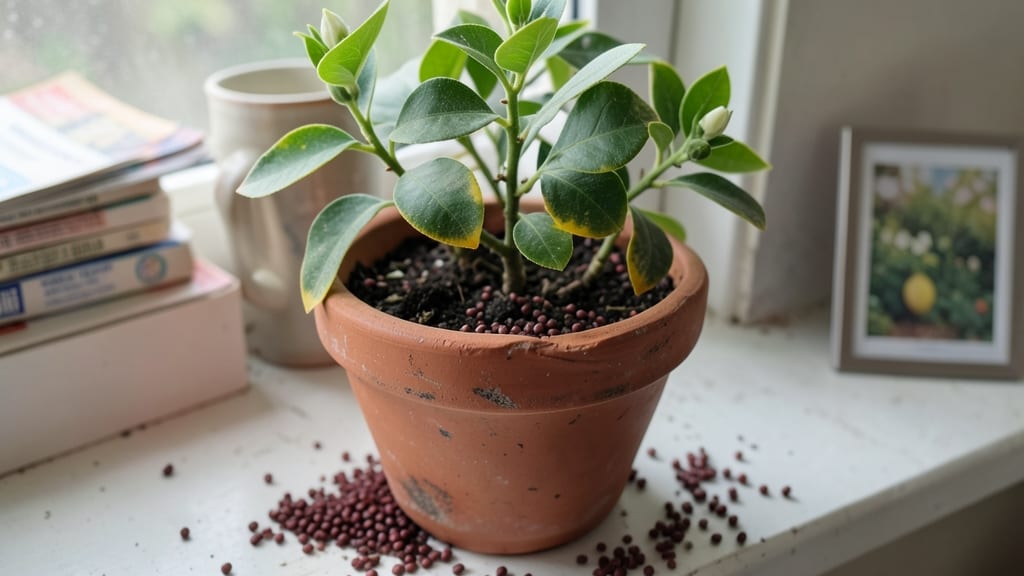
Chelated iron for plants provides iron in a plant-available form that roots can absorb directly, solving chlorosis in soils where standard iron supplements lock up. Apply it as a foliar spray or soil drench during active growth for yellowing leaves, stunted growth, or poor flowering.
Chelated iron works by binding iron atoms to organic molecules, creating a stable complex that resists oxidation and stays soluble in soil. 🌱 Unlike inorganic iron like ferrous sulfate—which plants can't use in alkaline conditions—this form remains accessible even when soil pH is high.
Many gardeners swear by it for acid-loving plants like azaleas or blueberries, where standard iron supplements fail to take effect.
For best results, apply chelated iron when soil is moist and plants are actively growing—morning or evening works best to avoid leaf burn. Start with half the recommended dose to test plant tolerance, since overapplication can lead to toxic buildup in sandy soils.
Pair it with a mild chelate like EDTA for even better uptake in hydroponic systems.
💡 In This Article
- How Chelated Iron Outsmarts Plant Iron Deficiency
- When and How to Apply Chelated Iron for Best Results
How chelated iron outsmarts plant iron deficiency
Here's what's actually happening at the molecular level: chelated iron binds iron atoms (Fe³⁺) to organic ligands like EDTA or EDDHA, creating a stable complex that prevents oxidation. This is critical because plain iron—like ferrous sulfate—oxidizes rapidly in alkaline soils (pH 7.0+), forming insoluble iron oxides that plants can't access.
The chelate acts like a protective shell, keeping iron soluble even when soil pH reaches 8.0 or higher, where standard iron supplements become useless. 🔥
The science gets even more interesting when you compare it to inorganic iron sources. Ferrous sulfate, for example, dissolves in water but reacts immediately with soil minerals and oxygen, forming rust-like compounds. Chelated iron remains mobile in soil solution for weeks, allowing roots to uptake it gradually.
This is why plants like hydrangeas (which need iron for blue flowers) thrive with chelated iron even in slightly alkaline soils, while they show chlorosis with ferrous sulfate.
What most people don't realize is how soil pH affects iron availability. In alkaline conditions (pH 7.5+), iron becomes locked in the soil as iron hydroxide (Fe(OH)₃), which is completely unavailable to plants.
The chelate's organic molecule creates a negative charge that repels soil particles, keeping iron suspended in the soil solution where roots can access it. This is why chelated iron works equally well in both acidic and alkaline soils—a 180-degree difference from traditional iron supplements.
Consider these key factors when choosing a chelate: EDTA binds iron tightly but releases it quickly, making it ideal for hydroponics where rapid uptake is needed. EDDHA, on the other hand, holds iron for 30-60 days in soil, perfect for long-term deficiency correction.
The choice depends on your growing medium—EDTA for water-based systems, EDDHA for traditional soil gardens. 💫
For visual learners, imagine iron atoms as tiny magnets. In alkaline soil, they cling to soil particles and become stuck. The chelate wraps these magnets in a non-magnetic coating (the organic ligand), letting them float freely in water where roots can "pick them up."
This is why foliar sprays work so well—the chelate stays soluble even when sprayed on leaves, allowing direct absorption through stomata.
The practical implication is huge: you can correct iron deficiency in days rather than weeks. Plants show visible improvement within 5-7 days of application, with new growth appearing green and vigorous.
The key is consistency—apply chelated iron every 4-6 weeks during active growth to maintain iron levels, especially for heavy feeders like tomatoes or citrus trees.
Here's a pro tip: mix chelated iron with a mild surfactant (like 0.1% Tween-20) when doing foliar sprays. This helps the solution spread evenly and reduces surface tension, ensuring better coverage on leaf surfaces. The surfactant doesn't harm plants but dramatically improves absorption rates. ✨