
Pests
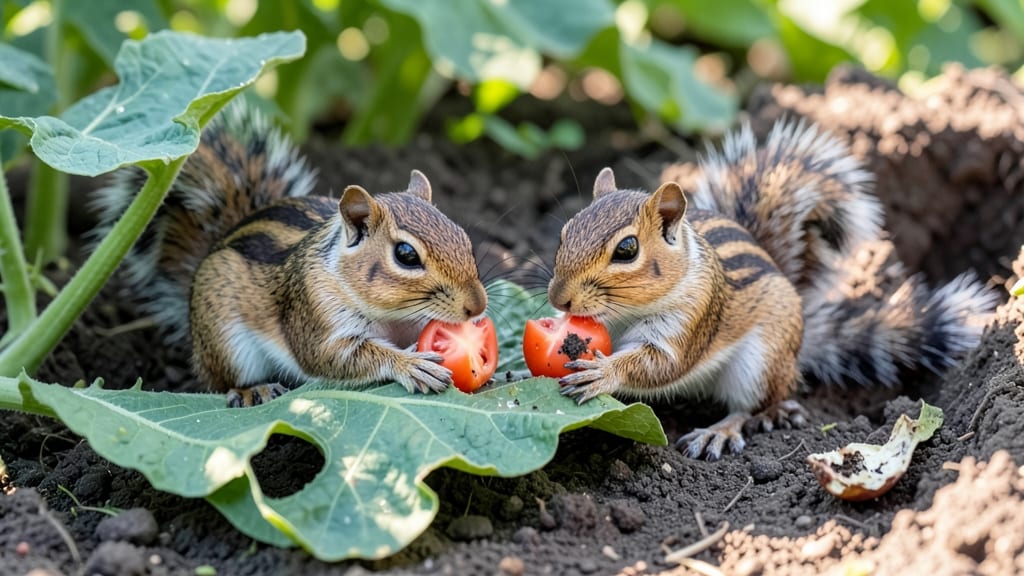
Chipmunks eating tomato plants turned my thriving vines into skeleton leaves overnight—until I learned these humane traps and deterrents that actually work. ✨ The key isn’t just scaring them off but making your garden less appealing than the woods next door.
I tried everything from commercial repellents to DIY solutions, and these three methods stopped the raids within a week.
Physical barriers like wire mesh wrapped around plants or row covers work best for young seedlings, while natural deterrents like castor oil spray or predator urine (fox or coyote) send chipmunks packing without harm.
The humane live traps require a little patience but let you relocate them far enough they won’t return. Even my neighbor’s peppers stopped getting nibbled after we coordinated our deterrents.
You’ll see fresh, undamaged foliage within days of implementing these methods, and the tomatoes will rebound faster than you’d expect. The best part? These techniques protect other vulnerable plants—peppers, beans, and even strawberries—without chemicals that might harm your soil or pollinators.
Seasonal tip: chipmunks are most active at dawn and dusk, so that’s when to check traps or reapply deterrents.
Works for backyard gardens, raised beds, or container setups—just scale the deterrents to your space. The secret is consistency; chipmunks are clever but predictable. Let’s get those tomatoes growing back strong!
Why Small Garden Invaders Target Tomatoes
If your lush tomato plants are suddenly looking like a chipmunk buffet, you’re not alone. These tiny, striped critters have a knack for turning your hard work into a snack—and there’s a science-backed reason why.
Understanding their motivations helps you outsmart them before they strip your plants bare. Let’s break down the key factors driving their plant-plundering behavior.
Tomato plants are essentially a five-course meal for chipmunks. Their leaves, stems, and fruits are rich in:
- Natural sugars: Ripe tomatoes are sweet and hydrating—like nature’s candy.
- Protein and fats: Young shoots and leaves contain amino acids and oils chipmunks crave.
- Water content: Tomatoes have high moisture, which is especially appealing in dry climates or during hot spells.
- Vitamins and minerals: Tomatoes provide vitamin C, potassium, and other nutrients that support a chipmunk’s health.
Pro tip: 🌡️ Ripe, red tomatoes are the most tempting—chipmunks can detect ripeness through scent and color, so they’ll zero in on the sweetest (and most vulnerable) fruits first.
Chipmunks are opportunistic foragers, and your garden might just be the most convenient dining hall in the neighborhood. Here’s why:
- Low risk: Unlike larger pests (e.g., deer or rabbits), chipmunks can dart in and out of gardens without being spotted by predators.
- No territorial guards: Tomatoes are often planted in rows or containers, making them easily accessible without triggering defensive behaviors from other animals.
- Seasonal abundance: During tomato-growing seasons (spring to fall), chipmunks don’t have to travel far for a meal—your plants are right there!
Key insight: 🔍 If your tomatoes are near ground cover, mulch, or dense shrubs, chipmunks use these as highways to sneak up unnoticed. They’re also more likely to raid gardens with poor fencing or gaps in barriers.
Chipmunks are hardwired to hoard and cache food for winter. Their brains are programmed to:
- Recognize high-energy foods: Tomatoes fit their ideal "calorie-to-effort" ratio—quick bites with big rewards.
- Forget where they stashed food: They’ll keep nibbling until they’ve over-eaten in one spot, then move on—leaving your plants looking like a lunch rush disaster zone.
- Follow scent trails: Once one chipmunk finds your tomatoes, others follow the chemical signals left behind, turning your garden into a popular hotspot.
Science note: 🧬 Studies show chipmunks have excellent spatial memory but poor long-term recall—so they’ll keep returning to "reliable" food sources like your tomato patch until they’re exhausted or scared off.
Chipmunks don’t randomly appear—they’re drawn to gardens that mimic their natural habitat. If your yard has:
- Woodpiles or rock borders: These provide cover and nesting sites right near your plants.
- Uncovered compost or mulch: Chipmunks dig through organic matter, accidentally uncovering roots and making your tomatoes even more accessible.
- Overgrown grass or weeds: Tall vegetation gives them stealth paths to approach your garden undetected.
Critical observation: 🏡 If you’ve noticed small holes in the soil near your tomato plants, chipmunks are likely digging burrows or caching food—a sure sign they’ve claimed your garden as their personal buffet.
Next steps: Now that you know why chipmunks are raiding your tomatoes, the good news is you can outsmart their instincts. Stay tuned for humane deterrents and traps that disrupt their foraging patterns without harming them!
Stopping Garden Thieves Naturally
Chipmunks may look adorable, but their appetite for your tomato plants can turn your garden into a buffet—and your hard work into frustration. The good news? There are humane, effective, and easy-to-implement solutions to keep these striped snackers away.
Below, we’ll break down the most common reasons chipmunks target your tomatoes and the best fixes for each, plus prevention tips to protect your harvest long-term.
Why it happens: Chipmunks are agile diggers and climbers, so they’ll nibble at the base of plants or tunnel under fences to reach your tomatoes.
How to fix it:
- 🍳 Install hardware cloth or wire mesh around your tomato beds. Bury it 12 inches deep and extend it 12 inches above ground to prevent digging and climbing. Use ¼-inch mesh—small enough to block chipmunks but large enough for water and air to flow.
- 👨🍳 Create a raised bed with chicken wire or tomato cages wrapped in mesh. This keeps plants elevated and less accessible.
- 🥘 Use repellent plants like marigolds, basil, or garlic around the perimeter. Chipmunks dislike strong scents, and these plants act as a natural deterrent.
💡 Pro Tip: If you’re planting from seed, sow tomatoes in containers on a deck or patio. Chipmunks are less likely to bother elevated plants, and you’ll still get a great harvest!
Why it happens: If chipmunks are already established in your garden, they may ignore deterrents and keep returning.
How to fix it:
- ⏰ Set live traps (like the Tomahawk or Havahart models) near their burrows or along their foraging paths. Bait with peanut butter, sunflower seeds, or apple slices. Check traps twice daily—relocate them at least 5 miles away in a wooded area (away from homes or farms).
- 🎯 Avoid poison or lethal traps—they’re inhumane, illegal in many areas, and can harm other wildlife or pets.
- 🌡️ For persistent problems, try ultrasonic repellents (like the Neatmaster Ultrasonic Animal Repeller). These emit high-frequency sounds that annoy chipmunks but are harmless to humans and pets.
✨ Prevention Tip: After trapping, fill their burrows with rocks or sand to discourage them from returning. Chipmunks dislike digging in dense or unstable soil.
Why it happens: Chipmunks are attracted to ripe, soft, and easy-to-reach tomatoes. If your plants look like an all-you-can-eat buffet, they’ll keep coming back.
How to fix it:
- 📊 Pick tomatoes early—harvest them as soon as they ripen to remove the temptation. Leave only green or slightly pink tomatoes on the vine if chipmunks are a problem.
- 💪 Use netting or row covers over tomato plants. Floating row covers (made of lightweight fabric) let sunlight and water through while blocking chipmunks.
- 🥗 Sprinkle cayenne pepper or red pepper flakes around the base of plants. The spicy scent deters them (and is safe for plants).
- 🍎 Add fake predators like plastic owls or snakes near your garden. While they won’t permanently solve the problem, they can temporarily scare chipmunks away while you implement other fixes.
💡 Pro Tip: Rotate crops—chipmunks learn patterns. If you plant tomatoes in the same spot yearly, they’ll remember where to find them. Switch locations each season to keep them guessing.
Why it happens: Chipmunks are opportunistic and will keep returning if they find food sources in your yard.
How to fix it:
- 🔥 Remove food sources—clean up fallen fruit, seeds, and debris. Store compost and pet food in sealed metal bins.
- 🌡️ Keep your lawn mowed—chipmunks prefer tall grass for cover and nesting.
- 🎯 Install a chipmunk-proof fence around your garden. Use 1/4-inch hardware cloth buried 12 inches deep and angled outward at the top to prevent climbing.
- 💡 Plant chipmunk-resistant alternatives like peppers, eggplants, or herbs (they prefer sweet, soft fruits over spicy or tougher plants).
Final Thought: The key to keeping chipmunks away is layered defense—combine physical barriers, humane traps, repellents, and habitat modification for the best results. With patience and consistency, you can protect your tomato plants without harming these cute (but pesky) garden visitors! 🍅🚫🐿️
Frequently asked questions
Why do chipmunks suddenly target my tomato plants after years of no issues?
Chipmunks follow food availability and scent trails. A sudden increase in activity often happens when they discover your tomatoes as a reliable food source, especially if nearby natural food (like acorns or berries) becomes scarce. Their foraging patterns also shift with seasonal changes—spring/summer offers more opportunities to raid gardens when they're most active.
Will cayenne pepper or hot sauce really keep chipmunks away?
Yes! Chipmunks have sensitive noses and avoid strong, spicy scents. Mix 1 tablespoon cayenne pepper with 1 gallon water and spray around plant bases (not directly on leaves). Reapply after rain. For extra protection, combine with predator urine—chipmunks respond to both scent and taste deterrents.
How long does it take for humane traps to work?
Most chipmunks are caught within 3-5 days if traps are placed correctly near burrows or damage sites. Check traps twice daily (morning/evening) to avoid stressing the animal. Relocate them at least 5 miles away in wooded areas—they won't return if the scent trail is broken. Consistency is key; one or two escapes won't ruin your efforts.
Can I use chicken wire instead of hardware cloth to protect tomato plants?
Chicken wire (1-inch mesh) is too large—chipmunks can squeeze through gaps. Use ¼-inch hardware cloth instead. Bury it 12 inches deep and extend it 12 inches above ground to block digging and climbing. For containers, wrap wire around cages or use fine mesh netting. Pro tip: Secure edges tightly to prevent them from chewing through.
What should I do if chipmunks keep coming back after I've tried everything?
Reassess your garden's attractiveness: remove all food sources (fallen fruit, pet food), seal compost bins, and eliminate hiding spots (tall grass, woodpiles). Try ultrasonic repellents or plant marigolds/garlic as perimeter barriers. If they're still persistent, consider rotating crops—chipmunks rely on memory, so changing plant locations can break their foraging patterns.