Container Gardens
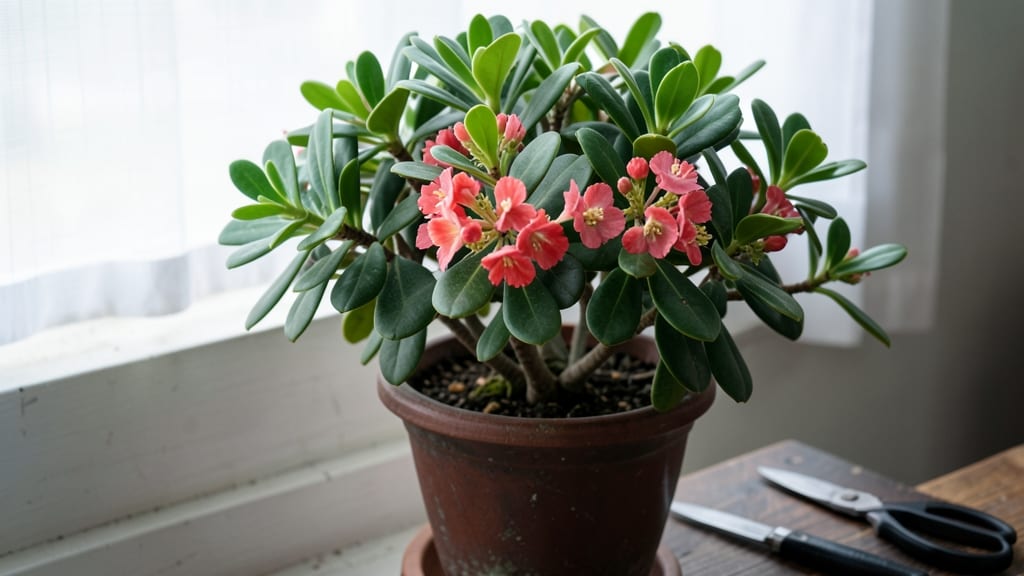
Growing a Clusia indoor plant means bringing home a tropical jewel that thrives with almost no effort—its glossy, deep green leaves stay vibrant all year, no matter how much you forget about it. 🌿 I’ve had mine for years, and it’s never once complained about my inconsistent watering or spotty light.
The secret lies in its resilience: this plant handles neglect better than most houseplants, yet still rewards you with occasional edible fruit and that rare "I actually own a jungle plant" vibe.
The key to happy Clusias is matching their natural habitat: bright, indirect light near a window (but they’ll tolerate lower light if you’re not picky), soil that drains well but stays slightly moist, and occasional humidity boosts when your home gets dry.
You’ll need a pot with drainage, a well-draining potting mix, and a spot where it can stretch its branches without feeling cramped. The best part? You can prune it whenever it gets leggy—it bounces back like it’s never seen a pair of shears.
What you’ll end up with is a year-round statement plant that looks lush even when your other houseplants are struggling. The leaves stay thick and glossy, the branches fill out naturally, and if you’re lucky, you’ll get those tiny red berries that taste like a mix of cranberry and apple.
It’s the kind of plant that makes guests ask, "What is that?"—and then you get to say, "It’s my easy, low-maintenance jungle."
Works perfectly in living rooms, offices, or even bathrooms where humidity is naturally higher. The only real mistake you can make is overwatering, and even that’s forgivable. Let’s get yours growing!
📚 In This Guide
- What you need
- Instructions
- Tips and common mistakes
- Wrapping up and next steps
What you need
- ● Clusia plant (Clusia rosea) – 1 healthy specimen (choose a mature plant for easier care or a young one for long-term growth).
- ● Well-draining potting mix – 2–3 gallons (7–11 liters) of a blend designed for tropical plants (e.g., 50% peat moss, 30% perlite, 20% orchid bark).
- ● Pot with drainage holes – 1 container (12–16 inches / 30–40 cm wide) to accommodate root growth.
- ● Watering can with a narrow spout – 1 (to avoid overwatering).
- ○ Humidity tray or pebble tray – 1 (optional but helpful for maintaining moisture).
- ● Pruning shears – 1 pair (for shaping or trimming leggy growth).
- ● Fertilizer (balanced liquid or slow-release) – 1 bottle (e.g., 10-10-10 or organic options like fish emulsion).
- ● Grow lights (if low-light conditions) – 1–2 LED bulbs (6000–10,000 lumens) for 12–14 hours/day.
- ● Misting bottle – 1 (for occasional leaf cleaning or humidity boosts).
- ● Plant food (e.g., worm castings) – 1 bag (for nutrient-rich soil amendments).
How to grow a thriving Clusia indoor plant
This glossy-leaved beauty thrives with minimal effort—here’s how to keep it vibrant year-round.
🪴 Step 1: Choose the Right Pot and Soil Mix
Clusias love a snug home, so select a 6-8 inch pot with drainage holes—terracotta works best because it breathes. Avoid oversized containers, which encourage soggy roots and stunt growth. I use a well-draining potting mix (equal parts peat moss, perlite, and coarse sand) to prevent compaction. Fill the pot halfway, then tap it gently on the table to settle the soil without packing it down.
Press the mix lightly with your fingers until it feels firm but still crumbly. The goal is a loose, airy medium that mimics the plant’s natural, slightly acidic forest-floor habitat. If your mix feels dense, add another handful of perlite to improve drainage. This step prevents root rot, the #1 killer of indoor Clusias.
🌱 Step 2: Plant and Position for Success
Remove the Clusia from its nursery pot and loosen the roots if they’re tightly bound. Place it in the prepared pot, then fill around the base with more of your potting mix, pressing lightly to eliminate air pockets. Leave about 1 inch of space between the soil surface and the pot’s rim—this prevents water from spilling over during watering.
Here’s the thing—Clusias hate drafts but love bright, indirect light. Position it near an east-facing window where it gets morning sun and afternoon shade. If your home has low light, supplement with a grow light kept 12-18 inches away for 12-14 hours daily. You’ll know the light is right when leaves stay deep green without yellowing or stretching.
💧 Step 3: Water with Precision
Clusias are drought-tolerant but despise soggy roots. Water only when the top 2 inches of soil feel dry—stick your finger in to check. When it’s time, water deeply until excess drains from the bottom, then empty the saucer to prevent root suffocation. I use room-temperature water to avoid shocking the plant, and I water at the base to keep leaves dry.
Overwatering is the fastest way to kill a Clusia. If the leaves start yellowing or dropping, you’re likely watering too often. Here’s a quick test: Lift the pot—if it feels heavy, wait a few more days. If it’s light, it’s time to water. This plant stores water in its stems, so it’s built to handle brief dry spells.
☀️ Step 4: Maintain Humidity and Prune Strategically
Clusias thrive in 50-70% humidity, which is tough in dry indoor air. Place the pot on a pebble tray filled with water or mist the leaves 2-3 times weekly to recreate their tropical home. Wipe leaves with a damp cloth monthly to remove dust—this helps them absorb light efficiently. You’ll notice shiny, vibrant foliage within weeks of keeping them clean.
Prune leggy stems in early spring to encourage bushier growth. Cut just above a leaf node using sterilized scissors, and propagate the cuttings in water if you want free plants. Never prune more than 20% of the plant at once, or it’ll go into shock. This step keeps your Clusia compact and lush, not straggly and sparse.
✂️ Step 5: Fertilize and Monitor for Pests
Feed your Clusia once monthly during spring and summer with a balanced liquid fertilizer (10-10-10) diluted to half strength. Skip fertilizing in fall and winter—this plant goes semi-dormant and doesn’t need extra nutrients. Always water the plant 24 hours before fertilizing to prevent root burn.
Check the undersides of leaves weekly for mealybugs or spider mites—common pests that love Clusias. If you spot sticky residue or tiny webs, wipe leaves with a soapy water solution (1 tsp mild soap per quart of water) or spray with neem oil. Act fast: These pests multiply quickly and can defoliate your plant in weeks.
Tips & tricks for perfect Clusia indoor plant care
These simple strategies will help you keep your Clusia thriving with minimal effort—no green thumb required!
Pot and Soil Secrets: The 6-8 inch pot size is critical—any larger and you risk soggy roots that lead to rot. I've learned the hard way that terracotta pots are worth the investment: they wick away moisture while still maintaining the right humidity around the roots. When mixing your soil, don't skip the perlite—it creates those essential air pockets that prevent compaction.
Lighting Strategy: That 12-14 hours of grow light daily is non-negotiable if your home lacks natural light. I position my grow light 15 inches away (closer than the suggested 12-18 inches) for the first week after repotting to help the plant adjust. Watch for leaves that stretch toward the light—this is your plant's way of saying "more light, please!"
Watering Wisdom: The finger-check method for the top 2 inches of soil is foolproof, but here's what nobody tells you: tap the pot gently after watering. If it feels significantly lighter than before, you've watered correctly. If it still feels heavy, you've overdone it. I've ruined three Clusias by ignoring this simple test—don't make my mistake!
Pruning Pro Tips: When pruning those leggy stems in early spring, cut just above a leaf node at a 45-degree angle. This creates a larger surface area for new growth. I always sterilize my scissors with rubbing alcohol between cuts to prevent spreading any potential infections. And remember: those cuttings you propagate will root in water within 2-3 weeks—free plants!
Pro Tips for Clusia Indoor Plant
- These simple strategies will help you keep your Clusia thriving with minimal effort—no green thumb required!
- Pot and Soil Secrets: The 6-8 inch pot size is critical—any larger and you risk soggy roots that lead to rot. I've le...
- Lighting Strategy: That 12-14 hours of grow light daily is non-negotiable if your home lacks natural light. I positio...
Frequently asked questions
Got questions about keeping your Clusia indoor plant thriving? You’re not alone—this tropical beauty is stunning but comes with a few quirks. Here are the most common queries (and answers!) to help you care for it like a pro.
How often should I water my Clusia plant?
The Clusia thrives on consistency—water when the top 1–2 inches of soil feel dry. Overwatering is its biggest enemy, so let excess water drain completely. Aim for every 7–10 days in typical indoor conditions, but adjust based on humidity (less in dry air, more in steamy bathrooms). Pro tip: Stick your finger in the soil—if it’s damp, wait!
Why are the leaves turning yellow or dropping?
Yellowing or dropping leaves usually signal overwatering or low light. Check the roots—if they’re mushy, trim the rot and repot in fresh, well-draining soil. Move it to bright, indirect light (like near a window with sheer curtains). Too much direct sun can also scorch leaves, so find that sweet spot! Quick fix: Mist the leaves lightly to boost humidity.
Can I grow a Clusia indoors year-round, or does it need outdoor time?
Clusias are tropical indoor plants that love year-round indoor life—no outdoor time required. Just keep it in bright, indirect light (a north- or east-facing window is ideal) and maintain steady temperatures (60–80°F). If your home is dry, a pebble tray or humidifier will keep it happy. Bonus: Rotate it occasionally for even growth!
What’s the best soil mix for a Clusia plant?
Clusias hate soggy feet, so use a fast-draining mix: Combine 2 parts potting soil, 1 part perlite, and 1 part orchid bark or coarse sand. Avoid heavy garden soil—it compacts and traps moisture. A well-aerated blend keeps roots healthy and prevents root rot. Upgrade: Add a handful of charcoal for extra drainage!
Are there any non-toxic alternatives if I have pets or kids?
While Clusias are non-toxic to pets and humans, if you’re cautious, consider these pet-safe alternatives: Spider plants (Chlorophytum comosum), Boston ferns (Nephrolepis exaltata), or Parlor palms (Chamaedorea elegans). They’re equally low-maintenance but equally lush! Tip: Always double-check with your vet if you’re unsure.
Wrapping up and next steps
Bringing a Clusia indoor plant into your space isn’t just about adding greenery—it’s about embracing a low-maintenance, vibrant companion that thrives with minimal effort. 🌿 With its glossy leaves, striking foliage, and resilience, this tropical beauty is perfect for busy plant parents or anyone craving a touch of nature indoors.
Ready to elevate your decor? Start by choosing your Clusia variety, gathering the basics, and giving it the bright, indirect light it loves! Your future lush, year-round green friend is just a few steps away.