Vegetables
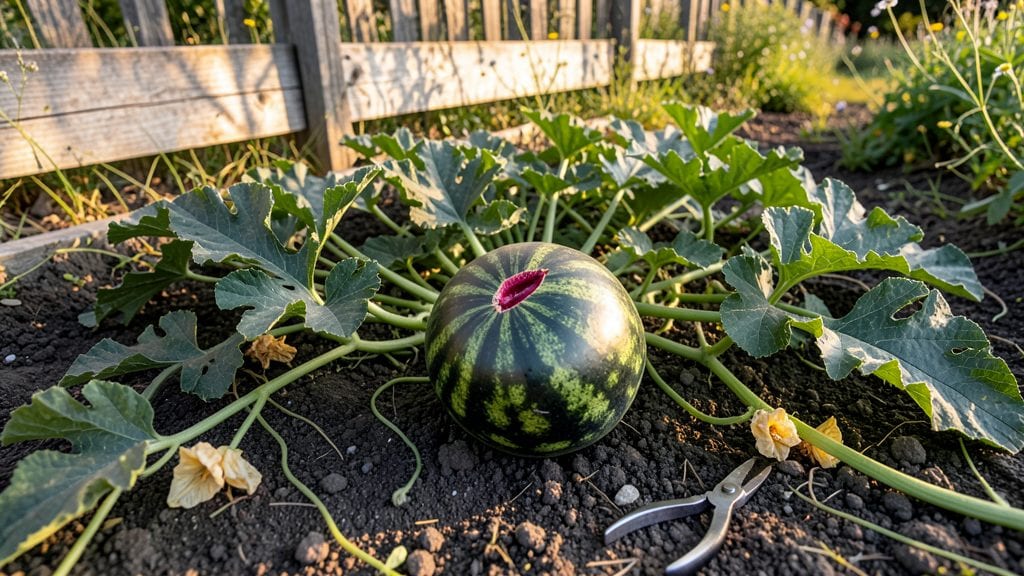
Growing a crimson watermelon plant means turning your garden into a summer oasis of sweet, deep-red fruit that bursts with juice. 🌱 I've learned the hard way that these vines demand patience and space—but once they take hold, they deliver rewards that make every effort worth it.
The secret isn't just throwing seeds in the dirt; it's about timing, soil, and a little extra care that pays off in explosive growth by midsummer.
These plants thrive in warm climates but can produce fruit in just three seasons if you start early indoors.
You'll need rich, well-draining soil mixed with compost, a sunny spot with at least 8 hours of direct light daily, and a trellis or sprawling space for those bold vines to stretch out.
The key is keeping them consistently moist but not soggy—watermelons hate wet feet, and overwatering is the fastest way to lose your crop.
By late summer, you'll be harvesting juicy, crimson-fleshed melons that weigh in at 15–25 pounds each. The first bite after months of nurturing? Pure satisfaction.
These aren't your average seedless store-bought melons—these are the real deal, packed with flavor and perfect for slicing, freezing, or sharing with neighbors who'll be jealous of your garden skills.
Whether you're a first-timer or a seasoned grower, crimson watermelons adapt well to containers (with deep pots) or in-ground beds. The real magic happens when you let those vines climb and spread—just watch out for squash bugs and powdery mildew. Ready to grow something that'll make your summer unforgettable?
📚 In This Guide
- What you need
- Instructions
- Tips and common mistakes
- Wrapping up and next steps
What you need
- ● Seeds: Crimson watermelon seeds (non-GMO, heirloom variety preferred). Quantity: 3–5 seeds per plant (or 1 seed per cell in seed-starting trays).
- ● Seed-starting trays or biodegradable pots: 2–3 inches deep, with drainage holes. Quantity: 1 tray or 6–10 pots.
- ● Potting mix: Seed-starting mix or well-draining garden soil blend (sterilized). Quantity: 1–2 cubic feet.
- ● Fertilizer: Balanced organic fertilizer (5-5-5 or 10-10-10 NPK ratio). Quantity: 1 lb for seedling stage, 2–3 lbs for transplanting.
- ● Watering can or spray bottle: With a fine mist nozzle for seedlings.
- ● Garden space: Full sun (6–8+ hours daily) and warm soil (70–90°F). Space: 3–4 feet between vines (or trellis for vertical growth).
- ● Mulch: Straw or black plastic (to retain moisture and suppress weeds). Quantity: Enough to cover 1–2 square feet per plant.
- ● Hand trowel or transplanting tool (for digging small holes).
- ● Garden gloves (to protect hands from thorns and soil).
- ● Pruning shears (for trimming vines and dead leaves).
- ○ Trellis or stakes (optional but recommended for vertical growth—6+ feet tall).
- ● pH test kit (to ensure soil pH is 6.0–6.8, ideal for watermelons).
- ● Shade cloth (lightweight, for seedlings if temps exceed 85°F).
- ● Last frost date: Wait until soil is consistently above 60°F before transplanting (typically 2–3 weeks after last frost).
- ● Growing zone: 4–11 (extend season with row covers in cooler zones).
- ● Time to harvest: 75–90 days from transplanting (patience is key—these beauties take time!).
Step-by-Step instructions for growing crimson watermelon plants
Here’s how to coax those deep-red, sweet fruits from your garden—no fancy tricks, just reliable techniques.
🌱 Step 1: Start Seeds Indoors or Plant Directly After Frost
Crimson watermelons need a long, warm season, so I start seeds indoors 4-6 weeks before the last frost date—usually mid-April in most climates. Use biodegradable peat pots (or small containers) filled with sterile seed-starting mix, planting 1-2 seeds per pot at a depth of ½ inch. Press them gently into the soil, then cover with a fine layer of mix.
Keep the soil consistently moist but not soggy—watermelon seeds rot if overwatered. Place pots in a warm spot (70-80°F) until sprouts appear in 7-10 days. If you’re planting directly outdoors after frost, wait until soil temperatures hit 70°F—cold soil stalls germination. I test by sticking a thermometer in the ground; anything below 65°F delays growth.
☀️ Step 2: Harden Off and Transplant When Soil Warms
Two weeks before transplanting, move seedlings outside for 1-2 hours daily, gradually increasing time. Watch for strong stems and deep green leaves—these signal readiness. Plant 4-6 weeks after sowing, when nighttime temperatures stay above 55°F. Dig holes twice as wide as the root ball and space plants 3-4 feet apart in rows 5-6 feet apart—watermelons sprawl.
Transplant on an overcast day or in late afternoon to reduce shock. Bury stems slightly deeper than in pots—this encourages stronger root growth. Water deeply right after planting to settle soil around roots. Mulch with straw or black plastic to retain moisture and suppress weeds; watermelons hate competition for water.
💧 Step 3: Water Deeply and Fertilize for Juicy Fruit
Watermelons need 1-2 inches of water weekly, but never let soil stay soggy—root rot is the #1 killer. I water at the base in the morning, avoiding leaves to prevent disease. Once vines start running, add a balanced fertilizer (10-10-10) every 2-3 weeks—stop fertilizing 4 weeks before harvest to avoid bitter fruit.
You’ll know you’re on track when vines spread 6-10 feet and male flowers appear first (they have a long stem), followed by female flowers (with a tiny watermelon at the base). Thin fruits to 2-3 per plant—overcrowding shrinks size. Watch for yellowing leaves (underwatering) or mushy stems (overwatering); adjust immediately.
✂️ Step 4: Prune and Support Vines for Maximum Yield
Remove suckers (small shoots between main stem and leaves) to direct energy to fruit. Leave 2-3 strong vines per plant—more than that strains the plant. Use sturdy trellises or cages if space is tight; watermelons can weigh 20+ pounds, so support is key. Prune any leaves shading fruit to improve airflow and reduce disease risk.
Harvest when the underside of the melon turns cream-colored and the tendril near the stem dries up. Crimson watermelons are ripe when they thud hollow when tapped. Cut with a knife, leaving 1 inch of stem attached—this prevents rot. Store in a cool, dry place (50-55°F) for up to 2 weeks; they won’t ripen further after picking.
Tips & tricks for perfect crimson watermelon growth
A few key strategies will help you grow watermelons that burst with sweetness and vibrant color every season.
Soil Temperature Matters: In Step 1, those 70-80°F soil temps are non-negotiable for germination. I use a soil thermometer to confirm—anything below 65°F means seeds will sit waiting, and that's time you don't have. For direct planting, wait until soil hits 70°F consistently. Pro tip: Black plastic mulch warms soil faster than bare ground, giving you a head start in cooler climates.
Harden Off Gradually: The 1-2 hours daily hardening process in Step 2 is where many beginners rush. I start with just 30 minutes on day one, then add 30 minutes every other day. Watch for leaves that curl or yellow—this means you're moving too fast. The goal is to toughen seedlings without shocking them, so they'll bounce back when transplanted.
Watering Wisdom: Those 1-2 inches weekly in Step 3 need precision. I water deeply in the morning, letting the top inch of soil dry between waterings. The key is consistency—watermelons hate soggy roots but also can't handle drought stress. A drip irrigation system set on a timer is my secret weapon for perfect moisture control without the guesswork.
Pruning for Power: In Step 4, when you're removing suckers, think of it as redirecting energy to your fruit. I leave just 2-3 strong vines per plant—any more and the plant gets overwhelmed. The vines should be thick as your thumb, not skinny. This might seem harsh, but it's what turns 10-pound melons into 20-pound monsters.
Pro Tips for Crimson Watermelon Plant
- A few key strategies will help you grow watermelons that burst with sweetness and vibrant color every season.
- Soil Temperature Matters: In Step 1, those 70-80°F soil temps are non-negotiable for germination. I use a soil thermo...
- Harden Off Gradually: The 1-2 hours daily hardening process in Step 2 is where many beginners rush. I start with just...
Frequently asked questions
Got questions about growing crimson watermelon plants? You’re not alone! Here are answers to the most common queries to help you cultivate bold vines and sweet fruit with confidence.
How long does it take for a crimson watermelon plant to produce fruit?
A crimson watermelon plant typically takes 70–90 days from transplanting to harvest, depending on your climate and variety. Start seeds indoors 4–6 weeks before the last frost, then give vines plenty of warm soil (70°F+) and consistent watering to speed up fruiting. Pro tip: Use black plastic mulch to warm roots early in the season!
Can crimson watermelons survive frost or cold weather?
No—crimson watermelon plants are tender annuals and die in frost (<32°F). They thrive in warm climates (USDA Zones 4–11) but need protection in cooler zones. Start seeds after soil reaches 70°F, use row covers for early growth, or grow them in containers to move indoors if temperatures dip.
Why aren’t my crimson watermelons ripening? Troubleshooting tips.
If your fruit stays small or hard, check these fixes:
- Sunlight: Crimson watermelons need 8+ hours of direct sun daily. Move plants to sunnier spots if needed.
- Watering: Inconsistent moisture causes poor growth. Water 1–2 inches per week (deeply, not daily).
- Pollination: Hand-pollinate with a paintbrush if bees are scarce (especially in greenhouses).
- Nutrients: Yellow leaves? Add compost or a balanced fertilizer (10-10-10) when vines start running.
What’s a good alternative if I can’t grow crimson watermelons?
Try these low-maintenance, heat-loving alternatives:
- Sugar Baby – Compact, sweet, and early-maturing (65 days).
- Charleston Gray – Classic striped variety, great for beginners.
- Yellow Crimson – A hybrid with crisp texture and bold flavor.
- Cantaloupe or Honeydew – Similar care but faster harvest (50–70 days).
All thrive in warm soil and need plenty of space (vines spread 6+ feet!).
Are crimson watermelon plants invasive or hard to control?
Crimson watermelons aren’t invasive, but their aggressive vines can spread 10+ feet if unchecked. Contain them with:
- Trellises (for vertical growth, saving space).
- Black plastic mulch (suppresses weeds and warms soil).
- Regular pruning (trim excess vines after fruit sets to focus energy).
Harvest promptly to reduce seed spread—save seeds for next year if desired!
Wrapping up and next steps
Growing a crimson watermelon plant is a rewarding journey that brings bold vines, vibrant blooms, and sweet, juicy rewards—all in just three seasons! Whether you're a seasoned gardener or a curious beginner, these bold beauties thrive with the right care, from sunny spots to consistent hydration. 🌱
Now that you’re armed with the know-how, take the plunge and plant those seeds! Start small with a few vines, experiment with varieties, and soon, you’ll be slicing into your own homegrown watermelons—nothing beats the taste of success. Happy growing! 🍉✨