
Companion Plants
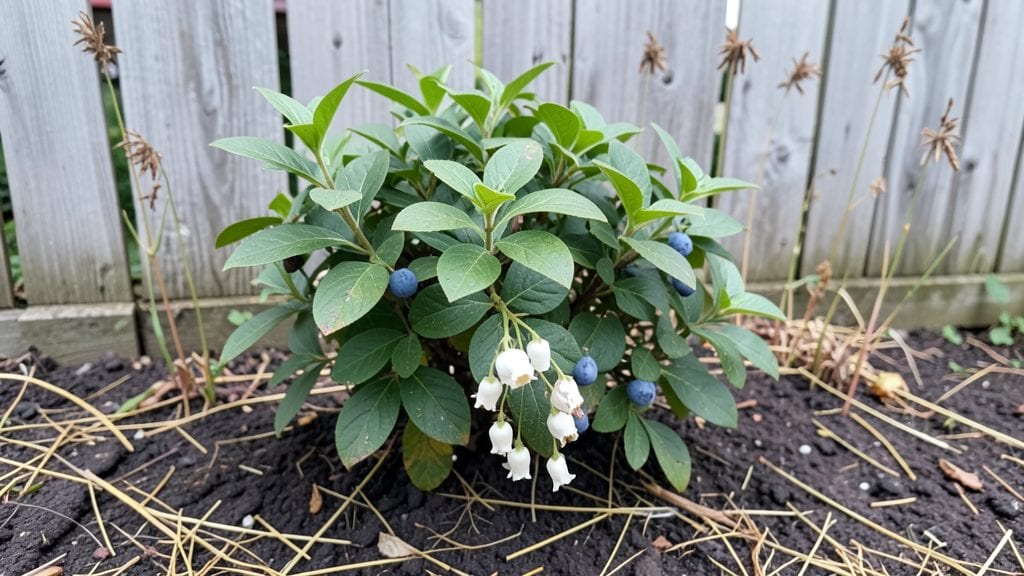
Emerald™ blueberry plants transform your yard into a four-season showstopper with glossy foliage, delicate spring blooms, and pollinators buzzing all season long. 🌿 I planted mine last spring after years of struggling with finicky blueberry varieties, and they’ve been the easiest, most rewarding shrubs in my garden—no fuss, just stunning results.
The secret lies in their adaptability: they thrive in partial shade, handle urban soils better than most blueberries, and produce edible (though tart) berries that birds adore.
You’ll need well-draining soil with a pH between 4.5 and 5.5, but unlike traditional blueberries, these tolerate slightly higher pH if you amend with peat moss or sulfur. Water consistently the first year to establish roots, then they’re drought-tolerant once established.
By summer, you’ll have vibrant green foliage that stays lush all year, plus fragrant white blooms that attract bees and butterflies. Even the berries add a pop of color—bright red when ripe, though they’re more ornamental than culinary.
The best part? They grow 3-4 feet tall, perfect for hedges, foundation plantings, or mixed borders without overwhelming small spaces.
Works beautifully in zones 4-9, from coastal gardens to city patios, and pairs well with azaleas, rhododendrons, or even daylilies. Here’s how to get started—no blueberry experience required!
📚 In This Guide
- What you need
- Instructions
- Tips and common mistakes
- Wrapping up and next steps
What you need
- ● Emerald Blueberry Plants: 3–5 healthy nursery-grown plants (check for disease resistance and compact growth habit).
- ● Well-Draining Soil: 5–10 bags of acidic potting mix (pH 4.5–5.5) or peat moss + perlite blend (1 part peat, 1 part perlite).
- ● Containers (if not planting in-ground): 2–3 large pots (12–15 inches deep) with drainage holes, or a raised bed (minimum 18" deep).
- ● Organic Mulch: 2–3 cubic feet of pine bark fines or sphagnum peat moss to retain moisture and acidity.
- ● Fertilizer: Slow-release acidic fertilizer (e.g., Osmocote or Miracle-Gro Azalea) or liquid blueberry fertilizer.
- ● Pruning Shears: Sharp, clean shears for shaping and maintenance.
- ● Garden Gloves: A pair to protect hands from thorns and soil.
- ● Watering Can or Hose: With a gentle spray nozzle for even watering.
- ● Soil pH Test Kit: To monitor and adjust acidity as needed.
- ● Epsom Salt: For magnesium boosts (1 tbsp per plant every 2 months).
- ● Pollinator-Friendly Companions: Native flowers like bee balm or lavender to attract bees and butterflies.
- ● Drip Irrigation System: For automated, consistent watering in larger gardens.
- ● Plant Support Stakes: If growing in windy areas (though emerald blueberries are naturally sturdy).
Step-by-Step guide to planting and caring for emerald blueberry plants
These pollinator magnets thrive with the right soil and sunlight—here’s how to set them up for vibrant blooms all year.
🪴 Step 1: Choose the Perfect Planting Site
Emerald blueberry bushes need full sun to partial shade—at least 6 hours of direct sunlight daily for optimal fruit production. I always pick a spot with morning sun and afternoon shade to prevent leaf scorch, especially in hot climates. The soil must be acidic (pH 4.5-5.5), so test your garden soil before planting.
If your soil isn’t naturally acidic, amend it with 1-2 inches of peat moss or sulfur mixed into the top 12 inches of soil. These plants hate soggy roots, so ensure the area has well-draining soil. If your yard has heavy clay, raise the beds slightly or plant in containers with a mix of 50% peat moss and 50% perlite for aeration.
🌱 Step 2: Plant at the Right Depth and Spacing
Dig a hole twice as wide as the root ball but only as deep as the container—planting too deep suffocates the roots. Gently remove the bush from its container and loosen any circling roots with your fingers. This prevents girdling as the plant matures.
Place the bush in the hole so the top of the root ball sits 1-2 inches above soil level. Backfill with the amended soil, pressing lightly to eliminate air pockets. Space bushes 4-6 feet apart for proper airflow and future growth. Water deeply right after planting to settle the soil and encourage root expansion.
💧 Step 3: Water and Mulch for Year-Round Health
Blueberries are shallow-rooted, so keep the soil consistently moist but never waterlogged. Water 1-2 inches per week, adjusting for rain. I use a drip irrigation system to deliver water slowly at the base, which reduces evaporation and fungal risks. Avoid overhead watering—it promotes leaf diseases and washes away soil acidity.
Apply a 3-inch layer of pine bark mulch around the base, keeping it 6 inches away from the trunk to prevent rot. This mulch slowly acidifies the soil while suppressing weeds. Replenish mulch annually in early spring to maintain moisture and protect roots from temperature swings.
☀️ Step 4: Fertilize for Pollinator-Friendly Blooms
Feed your bushes in early spring with a slow-release, acidic fertilizer (look for one labeled for blueberries or azaleas). I use 10-10-10 with iron and sulfur to boost both growth and fruit production. Follow package instructions for dosage—over-fertilizing leads to weak blooms and attracts pests.
These plants thrive with minimal intervention, but a mid-summer application of composted pine needles provides extra nutrients without altering soil pH. Avoid high-nitrogen fertilizers, which encourage leafy growth at the expense of flowers—pollinators love the abundant blooms that come from balanced feeding.
✂️ Step 5: Prune and Protect for Long-Term Beauty
Prune in late winter or early spring before new growth appears. Remove dead, diseased, or crossing branches first, then thin out older wood to improve airflow. I cut back 1/3 of the oldest canes each year to encourage new, vigorous growth. Never prune in fall—it stimulates tender new shoots that won’t survive winter.
Watch for blueberry gall midge and aphids, which target young shoots. Spray with neem oil at the first sign of infestation—it’s organic, effective, and safe for pollinators. These bushes attract bees and butterflies year-round, so avoid broad-spectrum pesticides that harm beneficial insects.
Tips & tricks for perfect emerald blueberry plant care
Emerald blueberry plants reward patience with stunning blooms and bountiful harvests—here’s how to maximize their potential without common pitfalls.
The Sunlight Secret: In Step 1, those 6 hours of direct sunlight are non-negotiable for fruit production, but I’ve learned the hard way that afternoon shade is crucial in hot climates. If your area gets intense afternoon sun, consider a 50% shade cloth during peak hours to prevent leaf scorch while still meeting the sunlight requirement. This simple adjustment can mean the difference between healthy bushes and crispy edges.
Soil Science: When amending soil in Step 1, I recommend testing your pH first—many garden centers offer inexpensive test kits. If your soil is already acidic (pH 4.5-5.5), you can skip the peat moss and focus on improving drainage instead. For heavy clay soils, that 50% peat moss and 50% perlite mix creates perfect aeration, but don’t overdo it—too much perlite can dry out the roots too quickly.
Planting Precision: In Step 2, that 1-2 inches above soil level placement for the root ball is critical. I’ve seen beginners bury it too deep, which suffocates the roots and leads to rot. Use a level to ensure proper positioning, and resist the urge to pack the soil too tightly—press lightly to eliminate air pockets without compacting the roots. The 4-6 feet spacing also prevents future crowding, which spreads disease.
Watering Wisdom: The 1-2 inches per week guideline in Step 3 is ideal, but timing matters just as much. Water in the morning so foliage has all day to dry, preventing fungal diseases. I’ve found that drip irrigation systems deliver water exactly where the roots need it, but if you water by hand, aim for the base—not the leaves—to preserve that precious soil acidity. That 3-inch mulch layer is your best friend for moisture retention and weed suppression.
Pro Tips for Emerald Blueberry Plants
- Emerald blueberry plants reward patience with stunning blooms and bountiful harvests—here’s how to maximize their potential without common pitfalls.
- The Sunlight Secret: In Step 1, those 6 hours of direct sunlight are non-negotiable for fruit production, but I’ve learned the hard way that afternoon shade is crucial in hot climates.
- Soil Science: When amending soil in Step 1, I recommend testing your pH first—many garden centers offer inexpensive test kits.
Frequently asked questions
Got questions about growing emerald blueberry plants? You’re not alone—these beauties are full of surprises! Here are answers to the most common queries to help you cultivate thriving, pollinator-friendly shrubs with ease.
How fast do emerald blueberry plants grow?
Emerald blueberry plants grow at a moderate pace—expect about 12–24 inches per year under ideal conditions (full sun, well-drained soil, and consistent moisture). With patience, they’ll reach their mature height of 5–6 feet in 3–5 years. Prune lightly in late winter to encourage bushier growth and better fruit production!
When is the best time to plant emerald blueberries?
The optimal planting window is late fall or early spring, when soil is workable but not frozen. If you’re in a warmer climate, fall planting (6–8 weeks before first frost) gives roots time to establish before summer heat. Avoid planting in peak summer—stress from heat or drought can stunt growth.
Do emerald blueberries attract pollinators like other blueberries?
Yes! While emerald blueberries are sterile (they don’t produce fruit), their vibrant blooms are a magnet for bees, butterflies, and hummingbirds. Plant them near fruit-bearing blueberry varieties to create a pollinator paradise. Bonus: Their evergreen foliage provides year-round shelter for beneficial insects.
How much water do emerald blueberry plants need?
These plants thrive with 1–1.5 inches of water per week, whether from rain or irrigation. First-year plants need more frequent watering (every 5–7 days) to establish roots. Once established, they’re drought-tolerant but may drop leaves in extreme dry spells. Mulch heavily (2–3 inches) to retain moisture and regulate soil temperature.
Can emerald blueberry plants survive winter in cold climates?
Emerald blueberries are hardy to USDA Zones 3–9, making them perfect for cold winters. Their evergreen leaves may brown slightly in frost, but the plant itself is highly resilient. For extra protection in Zone 3–4, apply a 3-inch layer of mulch around the base after the first hard freeze.
What are some great companion plants for emerald blueberries?
Pair emerald blueberries with pollinator-friendly plants like lavender, coneflowers, or Russian sage for a stunning, low-maintenance garden. Avoid competitive root systems (e.g., walnut trees) or acid-loving plants (e.g., hydrangeas) that may alter soil pH. Herbs like thyme or oregano also thrive nearby and deter pests!
Wrapping up and next steps
Growing emerald blueberry plants isn’t just about adding stunning year-round beauty to your garden—it’s a gift to pollinators and a rewarding experience for you! 🌿 With the right soil, sunlight, and care, these vibrant shrubs will thrive, offering lush foliage, delicate blooms, and a bountiful harvest.
Whether you’re a seasoned gardener or just starting, their low-maintenance charm makes them a perfect addition to any landscape.
Ready to plant the seeds (literally!) for success? Start by selecting the perfect spot in your garden, gather your supplies, and dive in—your emerald blueberry plants will thank you with color, life, and sweet rewards for years to come. Happy gardening! 🌸