Pruning
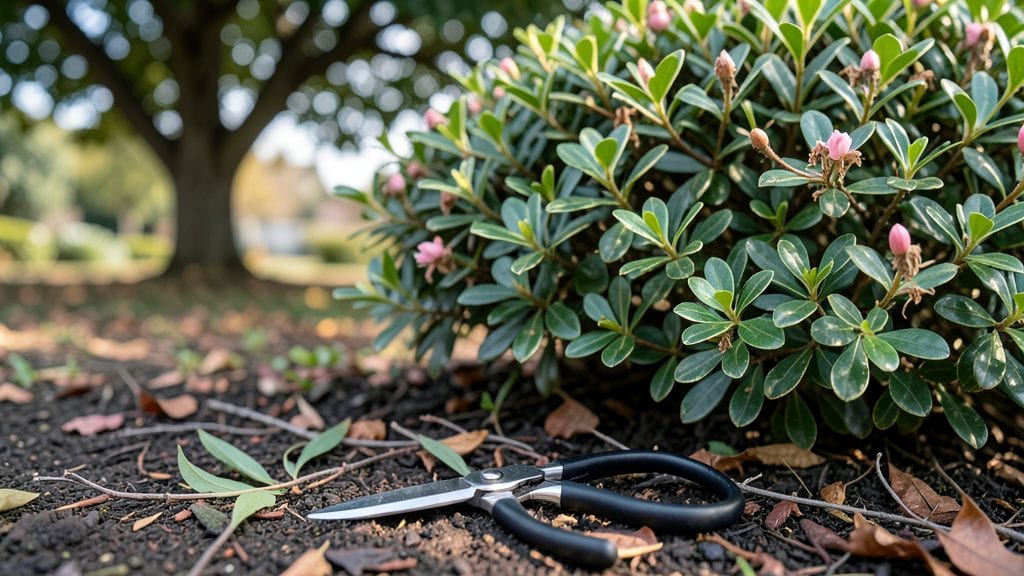
Pruning euonymus plants transforms them from wild tangles into the structured, sculpted shrubs that make them so prized in landscapes. I’ve spent years shaping mine—some sprawling like vines, others compact like topiary—and the difference between a messy hedge and a showstopper comes down to these three simple cuts.
The key isn’t just when you prune, but how you guide the plant’s energy into the shape you want.
Most gardeners prune euonymus in late winter or early spring, but I’ve found that light shaping in summer keeps it lush year-round. You’ll need sharp bypass pruners, gloves (those thorns don’t play nice), and a clear vision of your plant’s final form.
For sprawling varieties, focus on selective thinning; for dwarf types, precision trimming keeps them dense. The goal? Open the center for airflow while maintaining that classic euonymus silhouette.
After pruning, your euonymus will rebound with fresh green growth within weeks, and those signature red stems will pop even brighter. The first cut removes dead or crossing branches, the second refines the shape, and the third—often overlooked—is the rejuvenation trim to encourage bushier growth.
Skip this, and you’ll end up with leggy, sparse plants that never quite live up to their potential.
This method works for all euonymus types, from the climbing Euonymus fortunei to the compact Euonymus japonicus. The only rule? Never prune more than one-third of the plant at once, or you’ll shock it into dormancy.
With these cuts, your euonymus will stay vibrant, structured, and ready for any season’s challenges.
📚 In This Guide
- What you need
- Instructions
- Tips and common mistakes
- Wrapping up and next steps
What you need
- ● Bypass pruners: Sharp, high-quality (e.g., Felco or Fiskars)—1 pair (for clean cuts on stems up to ½ inch thick).
- ● Loppers: Heavy-duty (e.g., Corona or Bahco)—1 pair (for thicker branches ¾–1½ inches).
- ● Hand saw: Pruning saw with a curved blade (e.g., Felco or Fiskars)—1 (for stubborn, woody stems >1½ inches).
- ● Disinfectant: 70% isopropyl alcohol or Pruning paint/sealant—small bottle (to prevent disease spread).
- ● Gloves: Heavy-duty gardening gloves (nitrile-coated for grip)—1 pair (protects from thorns and sap).
- ○ Pruning shears (optional): For fine-tuning small branches—1 pair.
- ● Weather check: Prune on a dry, overcast day (avoid midday sun to reduce stress on the plant).
- ○ Safety gear: Safety glasses (optional but recommended) if working near the face.
- ● Cleanup supplies: Bucket or trash bag—1 large (for clippings).
- ● Rags or paper towels—2-3 (to wipe tools between cuts).
- ● Plant assessment: Inspect your Euonymus for dead, diseased, or crossing branches (mark them with flags or tape if needed).
Precision pruning guide for euonymus: three strategic cuts for year-round shape
Euonymus responds beautifully to strategic cuts—here’s how to sculpt it into a polished, healthy specimen.
Late Winter Cleanup Cut (February)
Begin by removing all dead, diseased, or crossing branches with clean, sharp pruning shears. Focus on stems that are brown, brittle, or rubbing against others—they compete for energy and invite pests. Cut just outside the branch collar where it meets the main stem, making a slight angle to prevent water pooling. This first cut jumpstarts airflow and sunlight penetration, which euonymus craves for spring growth.
Look for branches growing inward or downward—they’ll never contribute to your desired shape. Thin these out first, even if they appear healthy. You’ll know you’ve done well when you can see light filtering through the center of the plant. Avoid heavy pruning here; euonymus is resilient but not aggressive, so limit removals to no more than 25% of the total foliage to avoid stress.
Mid-Summer Structural Cut (July)
In mid-summer, euonymus grows vigorously, making this the ideal time to refine its structure. Start by removing any water sprouts—those fast-growing, vertical shoots that appear along older stems. These sap-suckers drain energy from the plant and disrupt its shape. Cut them back to a lateral branch or the main stem, ensuring your cut is just above a leaf node or bud.
Next, shape the plant by selectively trimming branches that are overcrowding or growing in unwanted directions. For boxwood-like hedges, use a hand pruner to create clean, horizontal lines. For shrub forms, step back frequently to visualize the final shape. Euonymus responds well to gradual shaping, so avoid drastic cuts—focus on 10-15% of the current season’s growth to maintain balance.
Fall Finishing Cut (October)
As temperatures cool, perform a final light pruning to tidy up any errant growth and prepare the plant for dormancy. Remove any branches that have grown beyond your desired shape, cutting back to a strong lateral branch or bud. This is also the time to address any sucker growth at the base of the plant—these compete with the main structure and should be cut flush with the ground.
Pay special attention to the tips of branches, where new growth often emerges. Trimming these back slightly encourages bushier growth next season. Avoid heavy pruning now; euonymus needs time to harden off before winter. Instead, focus on refining edges and removing only what’s necessary to maintain clean lines. A final light dusting of fungicide (if needed) will protect the fresh cuts from winter diseases.
Seasonal Maintenance Check (Year-Round)
Throughout the year, keep an eye out for branches that are growing in directions you don’t want or rubbing against others. Use your pruning shears to nip these back early—small adjustments now prevent major corrections later. Euonymus is forgiving, but it rewards consistency. If you notice a branch dying back, prune it immediately to prevent the spread of disease.
This ongoing attention ensures your euonymus stays compact, healthy, and visually appealing. Think of it like giving the plant a haircut—regular, light trims keep it looking polished without overstressing it. By following these three precision cuts, you’ll shape euonymus into a structured, vibrant focal point that thrives year after year.
Tips & tricks for perfect euonymus pruning
Mastering the art of euonymus pruning transforms a wild shrub into a refined garden centerpiece—here’s how to elevate your technique beyond the basics.
Tool Preparation: Before you begin any pruning, sterilize your pruning shears with rubbing alcohol to prevent spreading disease between cuts. I always make it a habit to clean my tools between each plant in my garden—this simple step has saved me from multiple fungal infections over the years. Use sharp shears to make clean cuts that heal faster, and always cut at a 45-degree angle just outside the branch collar where it meets the main stem. This precise angle prevents water from pooling and promotes faster healing.
Seasonal Timing Insight: The three-season pruning schedule in the instructions is non-negotiable for euonymus health. In late winter, focus on removing no more than 25% of the foliage to avoid shocking the plant before spring growth begins. I’ve learned this the hard way—over-pruning in February can leave your euonymus struggling to recover when it needs to put all its energy into new growth. Similarly, during the mid-summer structural cut, limit yourself to 10-15% of the current season’s growth to maintain balance without stressing the plant.
Visualization Technique: Step back frequently during pruning to visualize the final shape—this is especially important during the July structural cut. I recommend taking a photo of your euonymus before you begin, then comparing it to your vision of the finished shape. This helps you make more objective decisions about which branches to trim. For formal hedges, use a string line as a guide to ensure perfectly straight cuts. The goal is to create clean lines while maintaining the plant’s natural form.
Post-Pruning Care: After each pruning session, especially in fall, apply a light layer of mulch around the base of the plant to retain moisture and protect new growth. I also recommend watering deeply after pruning to help the plant recover. For larger pruning jobs, consider applying a fungicide spray to prevent disease entry through fresh cuts. This is particularly important in fall when euonymus begins its dormancy period and is more vulnerable to infections.
Pro Tips for Euonymus Plant Pruning
- Mastering the art of euonymus pruning transforms a wild shrub into a refined garden centerpiece—here’s how to elevate...
- Tool Preparation: Before you begin any pruning, sterilize your pruning shears with rubbing alcohol to prevent spreadi...
- Seasonal Timing Insight: The three-season pruning schedule in the instructions is non-negotiable for euonymus health....
Frequently asked questions
Got questions about pruning your euonymus plant? You’re not alone!
Here are some of the most common queries—and straightforward answers—to help you keep your shrub looking sharp year-round.
When is the best time to prune euonymus?
For healthy, balanced growth, prune euonymus in late winter or early spring (just before new growth starts). Light shaping can also happen in summer after flowering, but avoid heavy cuts then. Fall pruning is risky—it can stimulate tender new growth that won’t survive frost.
How do I prune euonymus for a bushier shape?
Focus on cutting back 1/3 of the oldest stems to the ground in early spring. This encourages new shoots from the base. For a denser look, trim just above a leaf node (where leaves meet the stem) at a 45° angle. Avoid "topping" (cutting flat across)—it weakens the plant and invites pests.
What if my euonymus leaves turn yellow after pruning?
Yellowing leaves often signal stress from over-pruning or underwatering. If it happens right after trimming, you likely cut too aggressively. Water deeply and avoid fertilizing for 4–6 weeks. If yellowing persists, check for root rot (soggy soil) or nutrient deficiency (pale leaves = nitrogen needs).
Can I prune euonymus in winter?
Light deadwood removal is fine in winter, but avoid heavy pruning—dormant plants handle stress poorly. If you must prune, wait until mid-winter (when temps are stable) and avoid cutting into old wood (brown stems), which won’t regrow. Focus on removing broken or diseased branches only.
What’s an alternative if my euonymus won’t stay shaped?
If pruning isn’t enough, try training with stakes or cages for support. For fast-growing varieties, consider regular "pinching" (snipping new growth tips) every 4–6 weeks in spring/summer. If the plant is overgrown or leggy, a renewal prune (cutting 1/2 of the oldest stems to the ground) can rejuvenate it.
Wrapping up and next steps
Mastering euonymus plant pruning unlocks a year-round garden that’s both structured and stunning! With just three precision cuts—spring shaping, summer thinning, and fall cleanup—you’ll keep your euonymus thriving while shaping it to your vision.
Remember, patience and sharp tools are your best friends, and every snip brings you closer to a lush, healthy plant.
Ready to take the next step? Grab your pruners and start small! Try one technique this season, observe how your euonymus responds, and build confidence. Before you know it, you’ll be the go-to gardener for flawless, sculpted euonymus that turns heads all year. Happy pruning! 🌿✂️