Fertilization
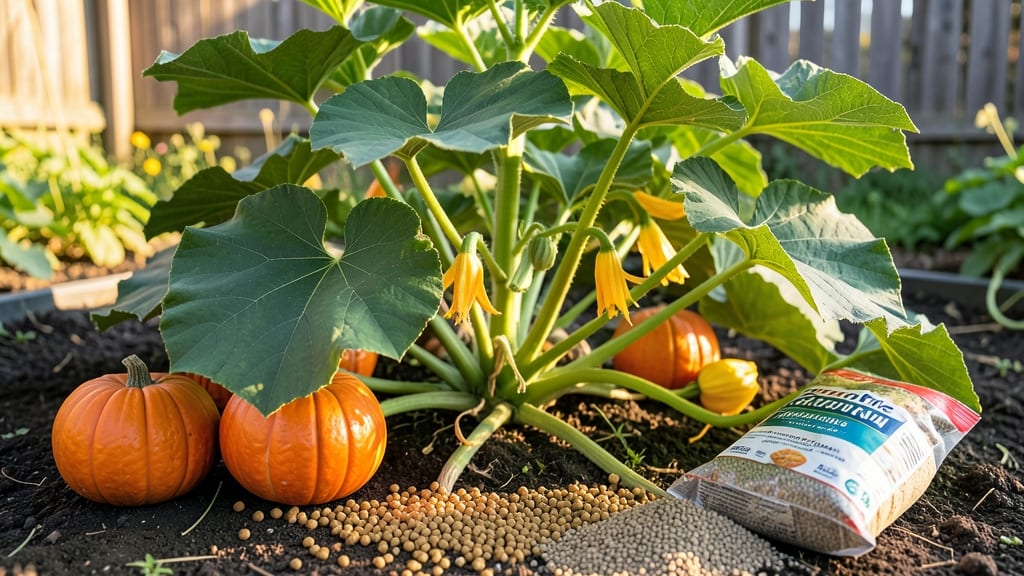
Fertilizing pumpkin plants 🎃 is the secret to turning lush vines into monster-sized fruit—but most gardeners either overdo it or underfeed, leaving them with weak stems or no harvest at all.
You’ve probably seen those sprawling vines with tiny, bitter pumpkins—or worse, no fruit at all—because the plant put all its energy into leaves instead. That’s a classic sign of getting the fertilizer wrong, and it’s easier to fix than you think.
Pumpkins need a balanced mix of nitrogen, phosphorus, and potassium, but the ratios shift as they grow. Too much nitrogen early on? You’ll get big leaves but no pumpkins.
Too little phosphorus later? Your fruit will struggle to develop. Here’s how to time it right for explosive growth and a bountiful harvest.
From organic compost to synthetic blends, I’ll walk you through the best fertilizers for each stage—plus how to spot when you’ve gone overboard (yellow leaves, anyone?)—so you can grow pumpkins like a pro.
Optimal N-P-K ratios for pumpkin vines vs. fruit production
When fertilizing pumpkin plants, getting the N-P-K ratio right is everything. Too much nitrogen (N) fuels lush vines but starves your fruit, while too little phosphorus (P) or potassium (K) leaves you with weak, underdeveloped pumpkins.
The key is shifting your focus from vine growth to fruit development as the season progresses.
For seedlings, prioritize nitrogen to establish strong roots and rapid vine growth. As plants transition to flowering, reduce nitrogen and boost phosphorus to encourage blooms.
Finally, during fruiting, potassium becomes critical for disease resistance and fruit sweetness. Balancing these ratios at each stage ensures both healthy vines and bumper crops.
Many gardeners make the mistake of using a high-nitrogen fertilizer throughout the season, thinking more is better. This leads to leafy vines with tiny fruit—a classic sign of over-fertilizing with nitrogen.
Instead, adjust your ratios like a chef adjusting spices: start bold, then refine as flavors (or in this case, nutrients) develop.
Here’s how to match your fertilizer to your pumpkin’s growth stage for maximum yield:
| Growth Stage | Nitrogen (N) | Phosphorus (P) | Potassium (K) | Recommended Fertilizer | Application Timing |
|---|---|---|---|---|---|
| Seedling (0-4 weeks) | High (30-40%) | Moderate (10-20%) | Low (10-15%) | 10-40-10 or 12-24-12 | At planting + 2 weeks later |
| Vegetative (4-6 weeks) | Medium (20-30%) | Moderate (15-25%) | Low (10-15%) | 10-20-10 or 8-16-8 | Every 3-4 weeks |
| Flowering (6-8 weeks) | Low (10-15%) | High (20-30%) | Moderate (15-20%) | 5-10-10 or 0-20-20 | At first bloom + weekly |
| Fruiting (8-12 weeks) | Low (5-10%) | Moderate (10-20%) | High (20-30%) | 2-10-20 or 0-10-30 | Every 2-3 weeks |
| Common Mistake | Using high-N fertilizer all season | Ignoring phosphorus during flowering | Skipping potassium in late season | Overapplying synthetic fertilizers | Fertilizing too late in season |
For example, if you’re using a 10-10-10 fertilizer (equal parts N-P-K), you’ll need to adjust the amount rather than the ratio. During the seedling stage, apply 3x more fertilizer (focused on nitrogen), then taper to 1x during fruiting.
This mimics the natural nutrient needs of pumpkins without buying multiple products.
Organic gardeners can achieve similar results with compost tea (high in nitrogen early) and bone meal (phosphorus boost) followed by wood ash or kelp meal (potassium late). The key is monitoring your plants: yellow leaves signal nitrogen excess, while purple stems indicate phosphorus deficiency.
Pro tip: Mix a handful of greensand (potassium-rich) into the soil at planting for a slow-release boost. This mineral also improves soil structure, helping those sprawling vines access nutrients efficiently. Pair it with well-rotted manure for a balanced organic approach.
If you’re growing giant pumpkins, lean even heavier on potassium during fruiting—aim for a 2-10-20 ratio to support the extra weight. These varieties demand more energy to develop, so don’t skimp on the back-end nutrients.
Think of it like training for a marathon: nitrogen builds the stamina (vines), but potassium fuels the finish (fruit).
Finally, avoid fertilizing within 2 weeks of harvest. The last thing you want is nitrogen buildup in your pumpkins, which can make them bitter or accelerate rot. Always flush the soil with water if you’ve overdone it—your taste buds (and your pumpkins) will thank you.
Organic vs. synthetic fertilizers: best options for pumpkin plants
Choosing the right fertilizer for your pumpkin plants can feel overwhelming with so many options. Organic fertilizers like compost and manure build soil health over time, while synthetic options deliver quick nutrient boosts.
Both have their place, but timing and application matter most to avoid burning plants or stunting growth. Let’s break down the best choices for your pumpkin patch.
Pumpkins thrive with a balanced approach to fertilization. Too much nitrogen leads to lush vines but few fruits, while too little phosphorus or potassium weakens roots and flowers.
Organic options release nutrients slowly, while synthetics provide immediate results. Your goal? A healthy balance that supports both vine sprawl and fruit development without overloading the soil.
Organic Fertilizers
- Improves soil structure
- Slow-release nutrients
- Cost-effective long-term
- No risk of burning plants
- Slower results
- Requires preparation time
- May contain weed seeds
- Limited nutrient variety
Synthetic Fertilizers
- Precise N-P-K ratios
- Fast nutrient delivery
- Easy to apply
- No weed seeds
- Risk of burning plants
- Depletes soil health over time
- More expensive per use
- Requires frequent reapplication
For organic fertilization, I recommend starting with well-aged compost or chicken manure mixed into the soil before planting. This provides a steady supply of nutrients as the vines grow. During the growing season, a fish emulsion or bone meal can give a gentle boost to flowering and fruiting stages.
Organic options are ideal if you’re aiming for long-term soil health and don’t mind waiting for results.
If you need faster results, synthetic fertilizers like a 10-10-10 NPK blend or a bloom booster with higher phosphorus can speed up fruit development. Apply these carefully—too much can burn roots and halt growth.
I suggest using synthetics only during the flowering and fruiting stages, about 4-6 weeks after planting, when the plants need that extra push.
Cost-wise, organic fertilizers win in the long run. A 5-gallon bucket of compost costs around $10 and covers multiple seasons, while synthetic fertilizers like a 20-pound bag of 10-10-10 run about $15 but require more frequent applications.
For a hybrid approach, combine organic soil prep with synthetic top-dressing during critical growth phases.
Timing is everything when fertilizing pumpkins. Start with organic matter at planting, then switch to a low-nitrogen fertilizer once flowers appear. Avoid fertilizing late in the season—pumpkins need to harden off for storage, and excess nutrients can delay this process.
Whether you choose organic or synthetic, the key is consistency and moderation.