
Companion Plants
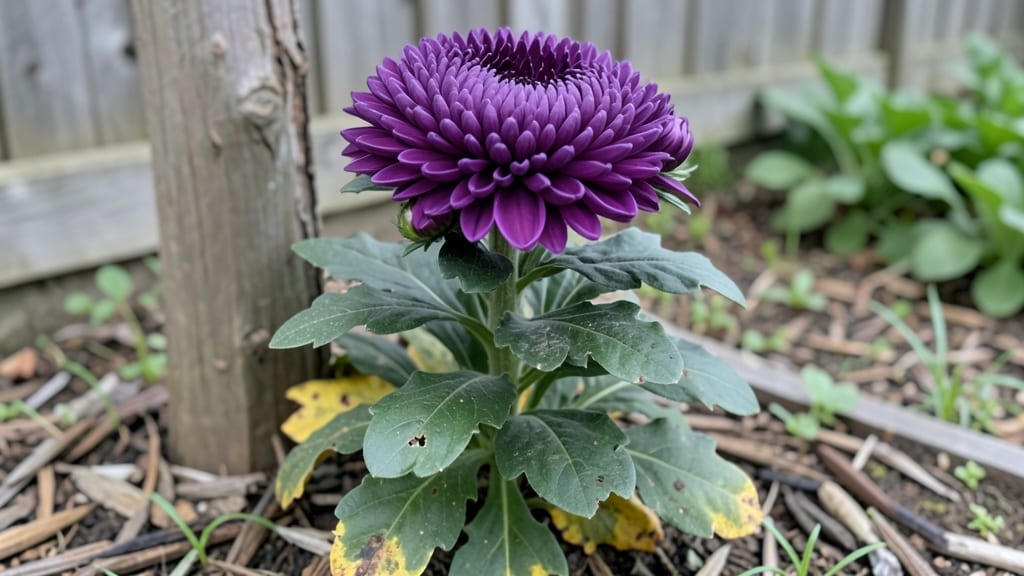
Those giant chrysanthemum plants can soar to 6 feet tall with blooms the size of dinner plates—if you nail the heat and sun. 🌟 I learned the hard way that these aren’t your average mums; they demand full sun and well-draining soil. to avoid flopping stems and wilted leaves.
The payoff? Dramatic foliage that turns heads in late summer through frost.
Start with rich, sandy loam mixed with compost—these plants hate soggy roots. Space them 3-4 feet apart so they get airflow and support, then stake them early. Water deeply once a week (more in blistering heat), but never let them sit in puddles.
Prune back leggy growth in early summer to encourage bushier, sturdier stems.
By late August, you’ll see buds forming—the size of golf balls—that swell into 10-inch blooms by October. The secret? Regular deadheading spent flowers to redirect energy. With proper care, your plants will keep producing until a hard frost, giving you weeks of show-stopping color when other gardens fade.
Bonus: Giant chrysanthemums repel pests naturally, so you’ll skip the harsh chemicals. Just watch for powdery mildew in humid areas—spray with neem oil if you spot white dust on leaves. These aren’t just plants; they’re a statement piece for your landscape.
📚 In This Guide
- What you need
- Instructions
- Tips and common mistakes
- Wrapping up and next steps
What you need
- ● Giant Chrysanthemum Tubers or Plants: Choose Chrysanthemum morifolium varieties like ‘Daisy’ or ‘Korean Giant’ (1-3 tubers or 3-5 mature plants per 3–4 ft. space).
- ● Well-Draining Soil: Mix 1 part garden soil with 1 part compost and 1 part perlite/sand (for sandy or clay-heavy soils). Aim for a pH of 6.0–7.0.
- ● Full-Sun Location: A spot with 6+ hours of direct sunlight daily (they thrive in USDA Zones 5–9).
- ● Organic Fertilizer: 5-10-10 NPK or fish emulsion (apply at planting and mid-season).
- ● Mulch: 2–3 inches of straw or wood chips to retain moisture and regulate soil temp.
- ● Garden Trowel or Spade (for planting tubers 6–8 inches deep).
- ● Garden Gloves (to protect hands from thorns and soil).
- ● Watering Can or Hose with Soaker Nozzle (deep watering 1–2x weekly).
- ● Pruning Shears (for shaping and deadheading faded blooms).
- ○ Stakes or Trellis (Optional)—if your variety grows tall (4–6 ft.) and needs support.
- ● Heat Tolerance: Giant chrysanthemums love summer heat but need consistent moisture (drought stress = fewer blooms!).
- ● Frost Protection: In Zones 5–6, plant tubers after the last frost or use row covers in fall.
- ● Space: Allow 3–4 feet between plants for airflow and growth.
Step-by-step guide to growing giant chrysanthemums in full sun
Here's how to cultivate bold, heat-loving chrysanthemums that reach impressive heights and thrive under intense sunlight.
🌱 Step 1: Select and Prepare the Planting Site
Choose a location with full sun exposure (6-8 hours daily) and well-draining soil. Giant chrysanthemums need space—plant each 3-4 feet apart in rows spaced 4-5 feet apart to allow for their sprawling growth. Avoid low-lying areas where cold air settles, as these plants are sensitive to frost.
Before planting, enrich the soil with 2-3 inches of compost mixed into the top 12 inches of soil. Chrysanthemums are heavy feeders and respond well to organic matter. Test your soil pH—ideal range is 6.0-6.5. If your soil is too alkaline, amend with sulfur or peat moss to lower the pH gradually.
🪴 Step 2: Plant Healthy Rootstock or Divided Cuttings
Start with disease-free rootstock or healthy divisions from established plants. If using bare-root stock, soak the roots in lukewarm water for 1-2 hours before planting to rehydrate them. Dig a hole twice as wide as the root ball and just as deep, ensuring the top of the root ball sits 1 inch above soil level.
Backfill the hole with native soil, firming gently to eliminate air pockets. Water deeply to settle the soil and encourage root contact. Mulch around the base with 2-3 inches of organic mulch (like shredded bark) to retain moisture and suppress weeds. Avoid piling mulch directly against the stem, as this can cause rot.
☀️ Step 3: Provide Consistent Water and Nutrients
Water newly planted chrysanthemums deeply 2-3 times per week, ensuring the soil stays evenly moist but not soggy. Giant varieties develop deep root systems, so focus on slow, deep watering rather than frequent shallow watering. You'll know moisture is right when the top 2 inches of soil feel damp but not waterlogged.
Feed plants with a balanced fertilizer (10-10-10) every 4-6 weeks during the growing season. For larger blooms, switch to a higher-phosphorus fertilizer (5-10-10) when buds form. Side-dress with compost mid-season to provide slow-release nutrients. Avoid over-fertilizing with nitrogen, which promotes leafy growth at the expense of flowers.
✂️ Step 4: Prune for Stronger Growth and Larger Blooms
Pinch back the tips of new growth when plants reach 6-8 inches tall to encourage bushier, more compact growth. This step is critical for giant chrysanthemums—without pinching, they'll grow tall and leggy with fewer blooms. Use clean, sharp pruners to make cuts just above a set of leaves or buds, never leaving stubs.
Remove any flower buds that form before mid-summer to redirect the plant's energy into stronger stems and foliage. Once buds appear in late summer, stop pruning to allow the plant to focus on bloom production. Deadhead spent flowers regularly to encourage continuous blooming and prevent seed formation, which weakens the plant.
🌿 Step 5: Prepare for Winter and Encourage Next Year's Growth
In fall, cut back stems to 4-6 inches above the ground once the first frost blackens the foliage. This prevents disease and makes it easier to identify new growth in spring. Apply a 3-inch layer of mulch around the base to insulate roots from freezing temperatures and retain moisture.
In early spring, remove old mulch and add fresh compost to replenish nutrients. Resume watering when new shoots emerge, typically in late March or April, depending on your climate. Giant chrysanthemums are perennial in USDA zones 5-9—with proper care, they'll return year after year with even more dramatic foliage and blooms.
Tips & tricks for perfect giant chrysanthemums
These game-changing strategies will help you cultivate chrysanthemums that rival the boldest garden displays—without the guesswork.
Location is Everything: While the instructions emphasize full sun (6-8 hours daily), I've found that morning sun with afternoon shade in extreme heat zones (like 90°F+) actually preserves vibrant foliage. If your summers are brutal, position plants where they get intense morning rays but gentle afternoon light. The key is preventing leaf scorch while maintaining that dramatic height growth.
Root Rehydration Secret: That 1-2 hour lukewarm water soak for bare-root stock isn't just about hydration—it's about waking up dormant roots. I add a splash of seaweed extract to the water (just 1 teaspoon per gallon) to give those roots a mild growth hormone boost right from planting. The difference in early root establishment is noticeable within 2 weeks.
Watering Wisdom: The 2-3 times weekly deep watering guideline works beautifully, but I've perfected a simple test: stick your finger 2 inches into the soil. If it feels drier than a damp sponge, it's time to water. In clay-heavy soils, you might need to water slightly more frequently—the roots need that consistent moisture to reach their full potential depth.
Pruning Precision: When pinching back at 6-8 inches, I look for the first set of true leaves (not the tiny seed leaves) and make my cut just above that node. This ensures you're always encouraging growth from a strong point. For leggy plants, I'll do a second pinch when they reach 12 inches—this creates that bushy, dramatic structure you see in show gardens.
Pro Tips for Giant Chrysanthemum Plants
- These game-changing strategies will help you cultivate chrysanthemums that rival the boldest garden displays—without the guesswork.
- Location is Everything: While the instructions emphasize full sun (6-8 hours daily), I've found that morning sun with afternoon shade in extreme heat zones (like 90°F+) actually preserves vibrant foliage.
- Root Rehydration Secret: That 1-2 hour lukewarm water soak for bare-root stock isn't just about hydration—it's about waking up dormant roots.
Frequently asked questions
Got questions about growing these sun-loving giants?
Here are answers to the most common ones—so you can dive in with confidence!
How much sun do giant chrysanthemums really need?
Giant chrysanthemums thrive in full sun (6+ hours daily), but they can tolerate partial shade (4–6 hours) in scorching climates (zones 5–9). If leaves look pale or leggy, they’re likely stretching for light. A morning sun + afternoon shade setup works well in extreme heat.
When is the best time to plant them?
Plant bare-root or container-grown chrysanthemums in early spring (after last frost) or early fall (6–8 weeks before first frost). Avoid summer heatwaves—roots need time to establish before sweltering temps hit. For potted varieties, transplant anytime (just water deeply afterward!).
Can I grow giant chrysanthemums in containers?
Choose a large pot (18"+ diameter) with drainage holes and use a well-draining soil mix (add perlite or compost). Dwarf varieties (like ‘Little Albert’) work best in containers. Pro tip: Move pots to shade during peak afternoon heat to prevent wilting.
What pests should I watch for, and how do I fix them?
Common pests include aphids, spider mites, and Japanese beetles. Blast off aphids with a hose spray, use neem oil for mites, and handpick beetles (or use pyrethrin sprays). Preventative tip: Encourage ladybugs—they’re natural predators!
Are there low-maintenance alternatives for hot climates?
If giant chrysanthemums seem high-maintenance, try these heat-tolerant companions:
- Black-Eyed Susan (Rudbeckia) – Drought-resistant and pollinator-friendly.
- Lantana – Thrives in full sun, blooms nonstop, and repels pests.
- Russian Sage – Silvery foliage + purple spikes = zero-fuss drama.
- Dwarf Sunflower – Fast-growing and great for cut flowers.
Wrapping up and next steps
Giant chrysanthemums are a showstopper for sun-loving gardens, offering bold, vibrant foliage and effortless beauty. With the right soil, sunlight, and care, these plants can transform any space into a lush, eye-catching display.
Whether you're a seasoned gardener or just starting out, their resilience and striking presence make them a must-have for full-sun areas.
Ready to bring drama to your garden? Grab your gloves, pick your favorite variety, and plant with confidence—your outdoor space will thank you! 🌸✨