
Plants
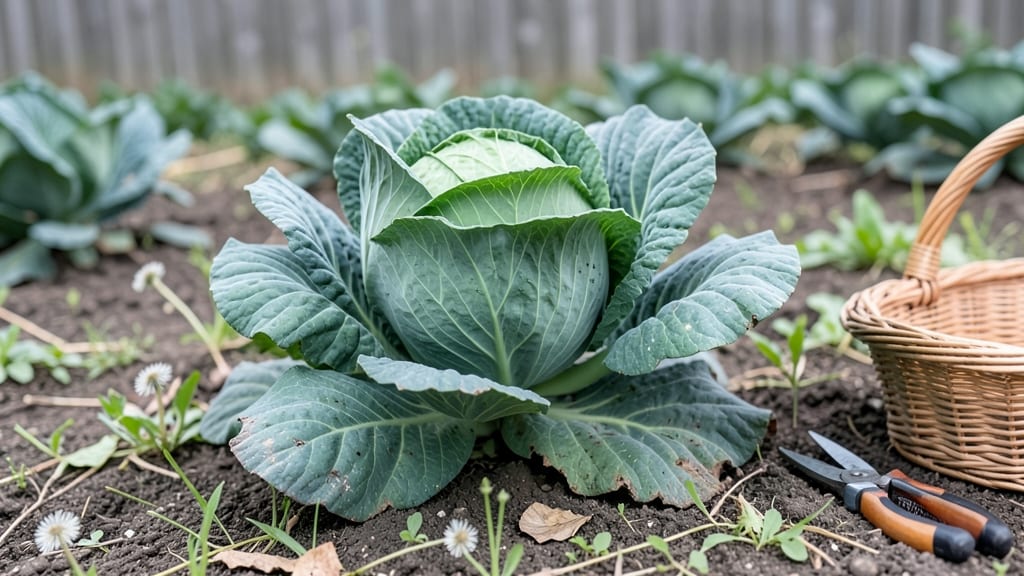
Harvesting cabbage plants at the right time means the difference between a crisp, flavorful head and a bitter, loose mess.
Nothing beats the satisfaction of harvesting a perfectly tight 🥬 cabbage head—except the disappointment of bolting plants or loose, loose leaves. Timing your harvest correctly ensures crisp, flavorful cabbage while preventing bitterness and wasted effort.
In Zone 6a, most cabbage varieties are ready to harvest between 75 and 100 days after planting, typically in late June or early July. But knowing when to pull isn’t just about days—it’s about checking for firmness, vibrant color, and that satisfying snap when you twist the stem.
Below, I’ll show you exactly how to spot a ready head, cut it cleanly, and even salvage a second harvest from the stump—plus the one mistake that turns your perfect cabbage into a sad, split disappointment.


Optimal harvesting time for tightest cabbage heads: days & seasonal clues
Timing your cabbage harvest perfectly ensures you get those crisp, compact heads we all crave. Most cabbage varieties take 70-80 days to reach ideal maturity, but this can vary by variety and climate.
Early varieties like 'Early Jersey Wakefield' mature in 60-65 days, while late types such as 'January King' may need 100+ days. Understanding these days-to-harvest ranges helps you plan ahead and avoid missing the window.
Seasonal timing is equally critical. In cool climates (Zones 3-5), cabbage thrives when planted in early spring or late summer for fall harvests. Warmer zones (6-9) can extend planting into early fall for winter harvests.
The key is avoiding heat stress above 80°F, which triggers bolting—the plant's way of flowering prematurely and ruining your crop.
Here's the golden rule: Harvest when the head feels firm and dense, reaches 6-8 inches in diameter, and outer leaves wrap tightly around the core. Ignoring these signs often leads to loose, bitter, or split heads—a gardener's worst nightmare.
🌱
| Variety | Days to Harvest | Head Size | Seasonal Window | Key Harvest Cue |
|---|---|---|---|---|
| Early Jersey Wakefield | 60-65 days | 6-8 inches | Spring/Fall | Firm, compact head |
| Golden Acre | 70-75 days | 8-10 inches | Summer/Fall | Deep yellow color |
| Red Express | 75-80 days | 7-9 inches | Fall/Winter | Uniform purple-red hue |
| Savoy King | 80-90 days | 10-12 inches | Late Fall | Crinkled leaves |
| January King | 100-120 days | 12-16 inches | Winter | Extra-firm structure |
Pay close attention to leaf color and texture. Healthy cabbage heads should have vibrant, deep colors—whether green, purple, or white—with no yellowing or browning. The outer leaves should feel crisp and tightly packed, not floppy or separating.
If you notice yellowing edges or gaps, the head is either overripe or struggling from nutrient deficiencies or pests.
One common mistake is waiting too long, thinking bigger is better. But oversized heads often become loose, pithy, and bitter. Another pitfall is harvesting in extreme heat or cold, which stresses the plant.
Aim for mild temperatures (50-75°F) and harvest in the morning after dew has dried to ensure the best texture and flavor.
For savoy varieties, focus on the crinkled leaf texture—they should feel firm but not hard. If the leaves are flattening or splitting, it's a sign the head is ready to harvest. Meanwhile, smooth-leaf cabbages should have a glossy, taut appearance with no visible gaps between leaves.
Pro tip: Gently squeeze the head. If it feels solid and resists compression, it's ready. If it gives slightly or feels spongy, wait a few more days. This simple test saves you from harvesting underripe or overripe cabbage.
Seasonal clues also matter. In spring-planted crops, watch for heads forming by late June or early July. Fall-planted cabbage should be ready by October or November, depending on your USDA zone.
If you're in a warmer climate (Zones 8-10), consider shade cloth to prevent bolting during summer.
🌿
How to harvest cabbage without damaging plants: step-by-step techniques
Harvesting cabbage at the right time ensures you get crisp, flavorful heads instead of bitter or loose leaves. The key is using the correct cutting technique and timing to avoid stressing the plant.
Whether you're harvesting green, red, or savoy cabbage, follow these steps to protect your plants and maximize yield.
Avoid common mistakes like twisting the stem or pulling too hard, which can damage the plant and attract pests. Instead, use a sharp knife or pruning shears for clean cuts. This method also allows the stump to regrow smaller heads if you're in a cool-season climate and need extra harvests.
Step-by-Step Harvesting Guide
- Step 1: Choose the Right Time
Harvest when the head is firm and 6-8 inches wide, with tightly wrapped outer leaves. Check for a deep, even color—no yellowing or browning. - Step 2: Gather Your Tools
Use a sharp knife or pruning shears (disinfected with rubbing alcohol). Avoid dull tools that crush leaves or spread disease. - Step 3: Cut the Stem Properly
Hold the cabbage head firmly and cut the stem 1-2 inches above the base. Angle the cut slightly to prevent water pooling on the stump. - Step 4: Handle the Head Gently
Lift the head by the stem, not the leaves, to avoid bruising. Shake off excess soil and inspect for pests or damage before storing. - Step 5: Store for Freshness
Keep heads in a cool, dark place (40-45°F) with high humidity. Wrap loosely in a damp cloth or store in a perforated plastic bag. - Step 6: Reuse the Stump (Optional)
If your climate is cool, the stump may regrow a smaller head in 3-4 weeks. Water consistently and avoid fertilizing until new growth appears.
For stubborn heads that refuse to come loose, twist gently while pulling upward—this works best for loose-leaf varieties. If the head splits before harvest, blame uneven watering or nutrient imbalances. Split heads are still edible but less appealing.
Pro tip: Harvest early in the morning when temperatures are coolest. This preserves crispness and flavor longer. Save outer leaves for cooking or composting—they’re packed with nutrients!
With practice, you’ll master the art of harvesting cabbage without damaging plants. Soon, your garden will yield perfectly formed heads season after season. Happy harvesting! 🥬✂️