
Companion Plants
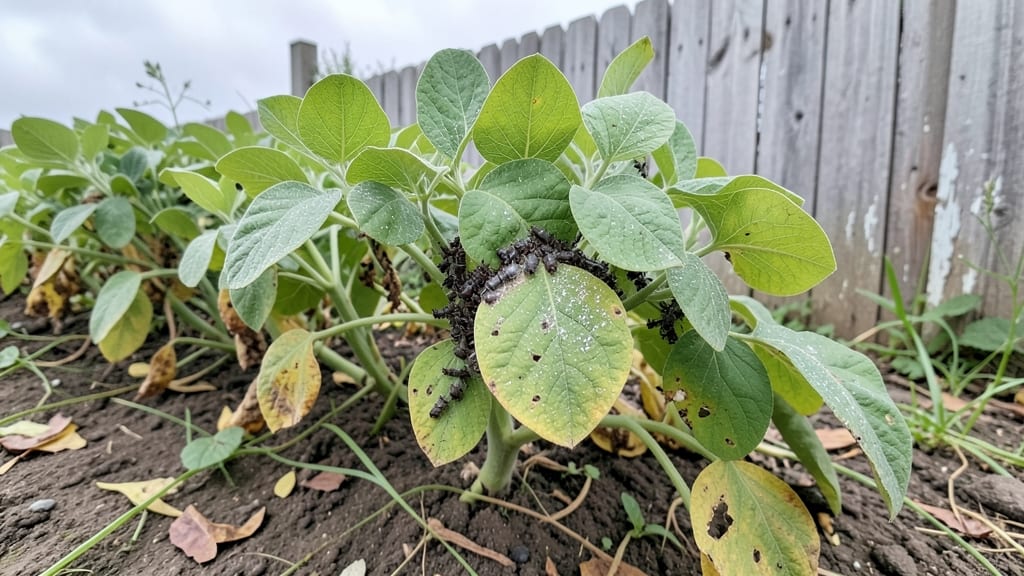
This plague on plants—aphids, powdery mildew, and Japanese beetles—won’t stand a chance against these natural repellents. 🌿 I’ve lost count of how many plants I saved by swapping harsh chemicals for simple, plant-powered defenses—your garden will thank you too.
The key is knowing which pests fear which companions, and when to act before damage spreads.
Start with the basics: crushed garlic spray for soft-bodied pests, neem oil for fungal diseases, and marigolds planted near tomatoes to deter nematodes. Most solutions use what you already have—no fancy gear needed.
My go-to mix of water, dish soap, and cayenne pepper keeps aphids off roses without harming bees, and it costs pennies to make.
By the time you’re done, your plants will look like they’re on a vacation from pests. No more sticky leaves from aphids, no more white dust on zucchini, and no more skeletonized leaves from beetles.
The best part? These methods work whether you’re growing in raised beds, containers, or straight in the ground.
Fair warning: some pests are stubborn, and a few problems need professional help. But for 90% of garden plagues, these natural tricks will have your plants thriving in no time. Here’s exactly how to make it happen—without losing another tomato to hornworms.
📚 In This Guide
- What you need
- Instructions
- Tips and common mistakes
- Wrapping up and next steps
What you need
- ● Companion plants: 5–10 marigolds (French or African varieties)
- ● 3–5 basil plants (genovese or purple varieties work best)
- ● 2–3 garlic bulbs (plant near vulnerable crops)
- ● 1–2 nasturtiums (trailing or dwarf varieties)
- ● 1 rosemary bush (upright or prostrate types)
- ● Natural repellent ingredients: 1 cup crushed chili peppers (or cayenne powder)
- ● 2 tbsp neem oil (100% cold-pressed)
- ● 1 tbsp dish soap (mild, biodegradable)
- ● 1 cup vinegar (white or apple cider)
- ● 10–15 cloves of garlic (crushed or blended)
- ● Tools: 1 pair gardening gloves (nitrile or cotton)
- ● 1 spray bottle (16 oz, with fine mist nozzle)
- ● 1 hand trowel (for planting companion plants)
- ● 1 pruning shears (for trimming pest-attracting plants)
- ● 1 compost bin (to recycle plant clippings into pest-repelling mulch)
- ● 5–10 lavender plants (for added fragrance and aphid deterrence)
- ● 1 fish emulsion fertilizer (to boost companion plant health)
- ● 1 UV-protective spray bottle (if using neem oil in direct sunlight)
- ● Pest traps: yellow sticky cards (for monitoring flies and aphids)
Natural ways to keep common garden pests away
Here's how to protect your plants without harsh chemicals—using what you already have.
🌱 Step 1: Identify the Pests in Your Garden
First, scout your plants for signs of trouble. Look for chewed leaves, sticky residue (aphid honeydew), or tiny holes in foliage. I check every morning and evening—pests are most active then. Common culprits include aphids, slugs, and spider mites, each leaving distinct damage patterns.
If you spot aphids, you'll see curled leaves and clusters of tiny green bugs. Slugs leave shiny trails and irregular holes, while spider mites create fine webbing on undersides. Grab a magnifying glass if needed—this step is critical. The right remedy depends on the pest.
💧 Step 2: Apply Homemade Sprays for Soft-Bodied Pests
Mix 1 quart of water with 1 tablespoon of dish soap (the mild kind) and 1 tablespoon of vegetable oil in a spray bottle. This blend suffocates aphids, mites, and whiteflies on contact. Shake well before each use—oil and soap separate over time.
Spray the undersides of leaves first, where pests hide. Test on a small area first—some plants (like tomatoes) may react to soap. Reapply every 3-5 days or after rain. I spray in the early morning so the solution dries before afternoon heat.
☀️ Step 3: Set Up Physical Barriers for Crawling Pests
For slugs and snails, create a barrier using crushed eggshells, diatomaceous earth, or coffee grounds. Sprinkle a 2-inch wide ring around vulnerable plants like lettuce or hostas. The sharp edges deter slugs without harming plants or beneficial insects.
Refresh the barrier after rain or every 2 weeks. I also place shallow dishes filled with beer near affected areas—slugs crawl in and drown. Empty and refill the beer traps weekly for best results.
✂️ Step 4: Introduce Natural Predators to Balance the Ecosystem
Ladybugs, lacewings, and parasitic wasps eat aphids and mites naturally. Buy them online or attract them by planting dill, fennel, or marigolds nearby. These flowers provide nectar and shelter for beneficial insects.
Release predators in the evening when they're least active. Avoid pesticides entirely—even "organic" ones can harm these helpers. Within 2-3 weeks, you'll see fewer pests as the predator population grows.
🪴 Step 5: Maintain Healthy Plants as Prevention
Strong plants resist pests better. Water deeply once weekly (early morning) to encourage deep roots, and fertilize with compost tea every 4 weeks for balanced nutrition. Prune crowded branches to improve airflow—pests thrive in damp, shaded spots.
Rotate crops yearly to prevent soil-borne pests from building up. I also interplant herbs like basil and mint—their strong scents repel many insects naturally. Healthy soil means healthier plants, which means fewer pest problems overall.
Tips & tricks for effective garden pest control
Real talk: The key to keeping pests at bay lies in consistency and smart timing—here's how to make these natural methods work harder for you.
Timing Secret: In Step 1, when you're scouting for pests, focus on the undersides of leaves—that's where aphids and spider mites love to hide. I check mine between 8-10 AM and 4-6 PM when pests are most active. Bring a small flashlight for evening inspections—you'll spot more damage in the shadows.
Mixing Tip: For Step 2's homemade spray, I always use cold water from the tap to mix with the soap and oil. Cold water helps preserve the soap's effectiveness better than hot water, which can break down the surfactant properties. Shake the bottle vigorously for 30 seconds before each use—this ensures the oil and soap fully emulsify and work together.
Barrier Strategy: When creating those 2-inch wide rings of crushed eggshells in Step 3, I like to create a double layer for extra protection. First sprinkle a thin layer, then water it lightly—this helps the shells stick better and creates a more effective barrier. Refresh after rain or every 2 weeks to maintain effectiveness, especially in damp climates.
Predator Placement: In Step 4, when releasing ladybugs and lacewings, I target the undersides of leaves and along leaf veins where aphids congregate. These predators are most effective when placed near their food source. Release them in the evening when they're less active, and avoid spraying water on them afterward—their delicate wings can be damaged.
Pro Tips for Plague On Plants
- Real talk: The key to keeping pests at bay lies in consistency and smart timing—here's how to make these natural methods work harder for you.
- Timing Secret: In Step 1, when you're scouting for pests, focus on the undersides of leaves—that's where aphids and spider mites love to hide.
- Mixing Tip: For Step 2's homemade spray, I always use cold water from the tap to mix with the soap and oil.
Frequently asked questions
What are the most common plant pests that natural repellents actually work against?
Natural repellents are especially effective against soft-bodied pests like aphids, spider mites, and whiteflies. They also deter chewing insects (e.g., cabbage worms, slugs) and even some fungal issues. Pro tip: For stubborn pests like beetles or borers, combine repellents with companion planting (e.g., marigolds for nematodes or basil for flies).
How quickly do natural repellents start working?
Most sprays (like neem oil or garlic spray) show results within 24–48 hours for soft-bodied pests. For soil-based issues (e.g., fungus gnats), improvements take 1–2 weeks of consistent use. Timing tip: Reapply after rain or every 7–10 days for best defense.
Are DIY repellents as effective as store-bought pesticides?
Yes—but with a caveat! Natural repellents are safer for pollinators and soil and work well for small to moderate infestations. For severe outbreaks, combine DIY methods (e.g., homemade pepper spray) with targeted store-bought options (like pyrethrin-based sprays). Cost win: DIY costs pennies per gallon vs. $10–$20 for commercial sprays.
Can I use natural repellents on edible plants right before harvest?
Most natural repellents are harvest-safe after a 24–48 hour wait (check labels for specifics). Avoid undiluted essential oils (e.g., citrus or clove) near harvest—they can leave residues. Safe bet: Stick to neem oil, insecticidal soap, or companion plants (like thyme) for edibles.
What do I do if natural repellents fail to work?
First, rotate your methods: Try a different spray (e.g., switch from garlic to soap spray) or introduce beneficial insects (ladybugs for aphids). If pests persist, inspect for hidden issues (overwatering, poor drainage) or consider physical barriers (row covers for cabbage worms). Last resort: Use targeted organic pesticides (like Bt for caterpillars), but always follow label instructions.
Still stumped? Drop your pest problem below—we’ve got more tricks up our sleeves!
Wrapping up and next steps
Fighting plant pests doesn’t have to mean harsh chemicals—nature’s toolkit is packed with effective, eco-friendly solutions! From marigolds to garlic sprays, these repellents protect your garden while keeping your green space thriving. 🌱💪
Take the next step: start small—test a few companion plants or DIY sprays in one section of your garden. Observe, adjust, and expand what works best for your space. Your garden (and the planet) will thank you!