Pruning
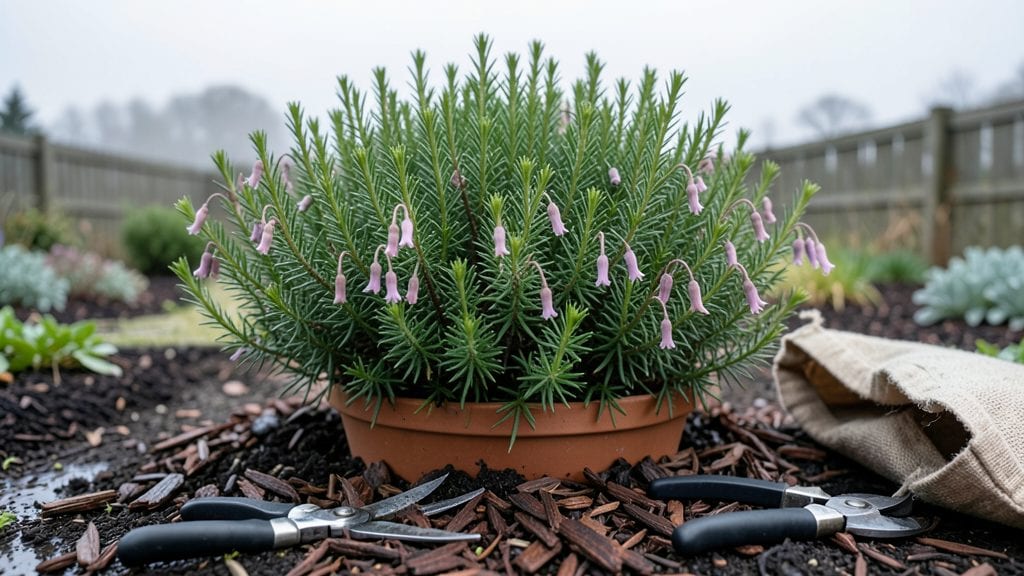
Pruning heather plants isn't just about keeping them tidy—it's the secret to healthy blooms year after year. 🌿 I've learned that skipping this step means leggy stems, fewer flowers, and plants that struggle to bounce back.
The right cuts at the right time transform heather from a scraggly bush into a lush, compact powerhouse that thrives in your garden.
You only need three tools: sharp bypass pruners for clean cuts, gloves to protect your hands from those prickly stems, and a small broom to clear away debris.
Timing matters most—prune right after flowering for spring-blooming varieties like Calluna, or in late winter before new growth starts for Erica types. This gives plants time to recover before their next bloom cycle.
The payoff is immediate: fresh, vibrant foliage that stays dense and fragrant, plus a bush that bursts with flowers instead of sparse, weak stems. Even overgrown heathers can be revived with the right approach—just avoid cutting into old wood, or you'll stunt future blooms.
I'll show you exactly where to cut for maximum impact.
Works for both Calluna (spring bloomers) and Erica (fall/winter varieties), and adapts to containers or garden beds alike. Let's get those shears ready—your heather's next great season starts with these simple cuts.
📚 In This Guide
- What you need
- Instructions
- Tips and common mistakes
- Wrapping up and next steps
What you need
- ● Pruning shears: Sharp, bypass-style shears (4-6 inches long) for clean cuts—1 pair is all you need!
- ○ Hand pruners: For smaller branches or tight spots (optional but handy for precision).
- ● Gloves: Heavy-duty, gardening gloves to protect against thorns or rough stems.
- ● Disinfectant: Rubbing alcohol (70%+) or hydrogen peroxide to wipe tools between cuts (prevents disease spread).
- ● Trash bag or bucket: For collecting clippings—1 large bag or container should suffice.
- ● Loppers: Only if your heather is over 3 feet tall (for thicker stems).
- ● Pruning saw: For stubborn, woody stems (rare for most heathers).
- ● Hose or water spray: To rinse tools and refresh the plant post-prune.
- ● Mulch: Organic mulch (like pine bark) to protect roots after pruning.
- ● Plant food: Slow-release fertilizer (balanced 10-10-10) to nourish after trimming.
Step-by-Step guide for pruning heather plants
Here's my go-to method for keeping heather lush and blooming year after year—no guesswork involved.
✂️ Step 1: Time Your First Spring Prune After Blooming
Wait until late spring or early summer—after your heather has finished flowering but before new growth hardens. You'll know it's time when the last blooms fade and the stems turn slightly woody. Cut back one-third of the oldest stems at the base using clean, sharp pruners—this opens up the center for air circulation and encourages fresh growth.
I always prune on a dry, overcast morning to reduce stress on the plant. Avoid pruning in extreme heat or cold, as this can shock the delicate stems. If your heather blooms in fall, delay pruning until late winter to preserve next year's flowers.
✂️ Step 2: Shape and Thin in Late Summer for Winter Prep
In late August or early September, give your heather a light shaping. Focus on removing dead, damaged, or crossing branches—these compete for nutrients and weaken the plant. Use your pruners to trim just above a leaf node or bud, always cutting at a 45-degree angle to prevent water from pooling.
Thin out the center if it looks dense, but don’t overdo it. You want to maintain the natural shape while improving airflow. A good rule of thumb: never remove more than 25% of the plant’s foliage in one session. This keeps it healthy without inviting pests or disease.
✂️ Step 3: Light Maintenance Prune in Early Spring
Before new growth begins in early spring, do a quick tidy-up. Remove any dead or broken stems from winter storms or frost. You’ll spot these easily—they’ll be brown, brittle, and won’t snap back when bent. Trim them back to healthy green tissue using sharp pruners.
This step is all about prevention. A clean plant starts the season strong, with fewer hiding spots for pests like spider mites. Avoid heavy pruning now—focus only on cleanup. If your heather looks sparse, hold off on drastic cuts until after it blooms again.
✂️ Step 4: Optional Renewal Prune for Overgrown Plants
If your heather has gotten too leggy or woody over the years, a renewal prune in early spring can rejuvenate it. Cut back half the oldest stems to 2-3 inches above the base, leaving the younger, more flexible growth. This dramatic trim encourages a fresh flush of new shoots.
Here’s the thing—this is a last-resort move. Only do it if your plant looks crowded, bare, or struggling. Water deeply after pruning and keep the soil moist but not soggy for the next 4-6 weeks to support recovery. You’ll see new growth in 6-8 weeks if conditions are right.
✂️ Step 5: Clean Up and Protect for Winter
After your final prune of the year—usually in late fall—collect all clippings and dispose of them properly. Don’t leave them near the plant, as they can harbor pests or disease. Rake up any fallen leaves or debris around the base to prevent rot.
If you’re in a cold climate, consider adding a light mulch (like 2-3 inches of pine straw) around the base to insulate roots. Heather is tough, but a little extra protection helps it bounce back stronger in spring. Avoid heavy mulch—it can smother the plant.
Tips & tricks for perfect heather plant pruning
These simple strategies will help you maintain your heather's health and beauty without the guesswork.
Tool Tip: Invest in a good pair of bypass pruners—they make clean cuts that heal faster than jagged ones. I've ruined several plants with dull shears that crushed stems instead of cutting smoothly. Always clean your pruners with rubbing alcohol between uses to prevent spreading disease from plant to plant.
Seasonal Timing Secret: The timing in Step 1 is crucial—wait until the last blooms have completely faded and new growth has just started hardening. I've learned this the hard way by pruning too early and accidentally removing next year's flower buds. For fall-blooming varieties, mark your calendar for late winter pruning to protect those delicate spring flowers.
Visual Cue for Pruning: When thinning in Step 2, look for stems that are crossing or rubbing against others—these create wounds where pests can enter. Also watch for stems that are growing straight up rather than outward; these are competing for sunlight and should be removed first. Think of it like giving your heather a spa day—you're removing what's holding it back.
Renewal Prune Recovery: If you choose the optional renewal prune in Step 4, be patient with the recovery process. I've seen plants look completely dead after such a drastic cut, only to burst back to life with vibrant new growth in 6-8 weeks. Keep the soil consistently moist during this time—this is when your heather needs the most care to bounce back strong.
Pro Tips for Heather Plant Pruning
- These simple strategies will help you maintain your heather's health and beauty without the guesswork.
- Tool Tip: Invest in a good pair of bypass pruners—they make clean cuts that heal faster than jagged ones. I've ruined...
- Seasonal Timing Secret: The timing in Step 1 is crucial—wait until the last blooms have completely faded and new grow...
Frequently asked questions
Got questions about keeping your heather plants lush and well-groomed? We’ve got answers! Here are some of the most common concerns—plus quick fixes to keep your plants thriving year-round.
When is the best time to prune heather plants?
The ideal time to prune heather is late winter or early spring (February to March in most climates), just before new growth begins. Avoid pruning in fall or winter, as this can expose tender stems to frost damage. For evergreen heathers, a light trim after flowering also helps maintain shape. Pro tip: If you missed the spring window, a gentle prune in summer (after flowering) is better than none!
How much can I cut back my heather without harming it?
Never cut more than one-third of the plant’s height in a single pruning session. For most heathers, this means trimming back to just above a set of healthy leaves or buds. Over-pruning can stress the plant, leading to sparse growth. Hard pruning (cutting back to near the base) is only for rejuvenating very overgrown plants—do this in stages over 2-3 years if needed.
What if my heather looks leggy after pruning?
Leggy growth often means your heather needs more light or a harder prune. Try these fixes:
- Move it to a sunnier spot (heathers thrive in full sun to partial shade).
- Fertilize lightly with a balanced, low-nitrogen fertilizer in spring to encourage bushier growth.
- Pinch back new growth tips in summer to promote branching.
Can I prune heather in winter?
Pruning heather in winter (December–February) is not recommended unless you’re in a mild climate (Zone 8+). Cold weather slows healing, and fresh cuts can invite disease or frost damage. If you must prune in winter, wait until a mild, dry day and avoid heavy cuts. Better yet: Wait for spring to give your plant the best chance to recover!
What do I do if my heather stops flowering after pruning?
Heathers flower on old wood, so pruning after blooming (or too late in the season) can reduce next year’s flowers. To encourage blooms:
- Prune right after flowering (late spring/early summer) to shape without removing next year’s buds.
- Avoid heavy cuts in autumn—the plant needs energy to set buds for spring.
- Deadhead spent flowers gently (snip just above the bloom) to redirect energy to new growth.
Wrapping up and next steps
Mastering heather plant pruning is your secret weapon for lush, vibrant blooms year-round! 🌿 Whether you’re shaping a formal hedge or encouraging wild, natural growth, the key lies in timing, technique, and consistency.
With the right tools and a little patience, your heather will thrive—and reward you with stunning color and texture.
Ready to take the next step? Grab your pruners and schedule your first trim—your heather’s future starts now! For extra inspiration, snap a photo of your progress and tag #HeatherPruningPro to share your green thumb journey.