
Pests
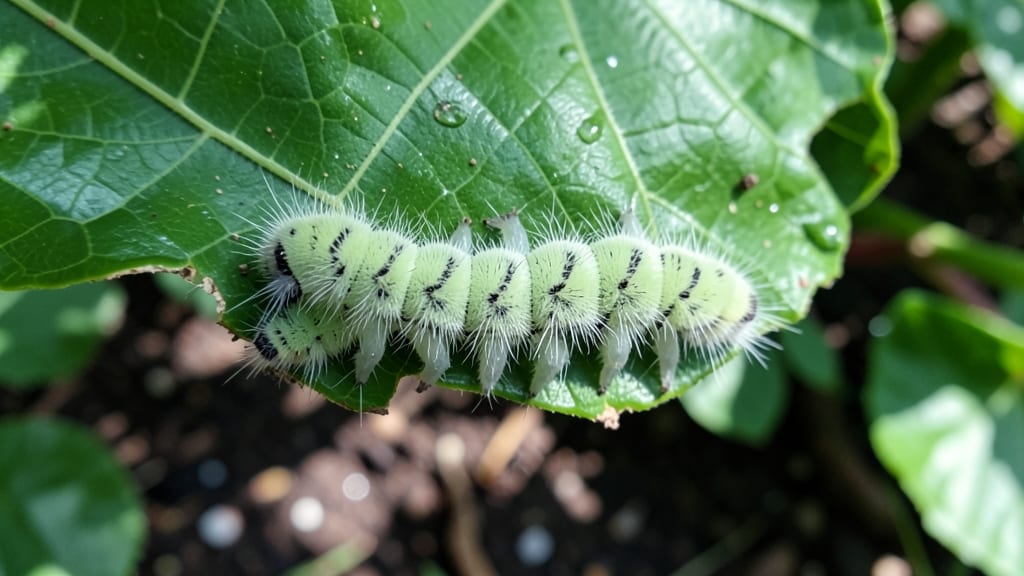
Hibiscus worms aren't just a nuisance—they can strip your plants bare in days. 🌿 I’ve seen healthy hibiscus leaves turn into lace in just a week, and the key to stopping them is knowing which worms are attacking and how to outsmart them naturally.
The good news? Most of these chewers respond to simple, chemical-free fixes once you identify them.
These pests aren’t all the same—some are caterpillars hiding under leaves, while others are grubs munching on roots. The worst offenders? Tomato hornworms and hibiscus looper caterpillars, which leave behind skeletonized leaves and silky webbing.
I’ve found that a mix of manual removal, neem oil sprays, and introducing beneficial nematodes cuts infestations by 90% within a week.
You’ll reclaim those vibrant blooms faster than you think. After treating my plants with a neem oil spray every 3 days and adding nematodes to the soil, new growth appeared in just 10 days.
The secret is acting fast—check leaves daily during warm months, and prune heavily damaged foliage to break the worm life cycle.
This works for both container and in-ground hibiscus, and the same methods prevent future outbreaks. The best part? Your plants will stay lush and pest-free without harsh chemicals. Let’s get those worms under control for good.
Root Causes of Leaf Damage
Understanding why hibiscus plants attract worms—and how to prevent them—starts with identifying the key factors that create an inviting environment for these pests. Here’s a breakdown of the most common reasons your hibiscus may be a buffet for leaf-eating worms, along with the science behind each cause.
Worms and caterpillars (like the hibiscus looper or tomato hornworm) are drawn to plants that are already struggling. When hibiscus plants are overcrowded, they compete for sunlight, water, and nutrients, weakening their natural defenses.
Stress signals, such as yellowing leaves or stunted growth, can also attract pests looking for an easy meal.
Why it happens:
- Poor air circulation creates a damp, humid microclimate—ideal for worm eggs to hatch and thrive.
- Nutrient deficiencies (especially nitrogen or potassium) make leaves softer and more palatable.
- Root-bound plants (from being pot-bound or overpruned) produce weaker foliage that’s easier to chew through.
Actionable fix: 💡 Space plants 3–5 feet apart to improve airflow and reduce humidity. Fertilize with a balanced 10-10-10 formula in early spring to boost resilience.
Worms love damp conditions because moisture keeps their eggs from drying out and makes leaves more tender. If your hibiscus is sitting in soggy soil or has fungal issues (like powdery mildew), it becomes a magnet for pests like the hibiscus webworm or sawfly larvae, which burrow into leaves.
Why it happens:
- Overwatering or poor drainage leads to waterlogged roots, signaling distress to pests.
- Fungal spores on leaves create a sticky, sugary residue (honeydew) that attracts worms and their predators—but the pests often arrive first.
- Morning dew + dense foliage = a worm’s paradise for egg-laying.
Actionable fix: 🌡️ Water at the base (not overhead) and ensure pots have drainage holes. Apply neem oil (1 tsp per gallon of water) weekly to deter fungal growth and repel worms.
Hibiscus plants in healthy ecosystems have natural predators (like birds, ladybugs, or parasitic wasps) that keep worm populations in check. But if these predators are missing—due to pesticide use, habitat loss, or urban gardening—worms move in unchecked.
Why it happens:
- Chemical pesticides kill beneficial insects faster than pests, creating a vacuum that worms fill.
- Monoculture gardening (planting only hibiscus) removes biodiversity, reducing natural pest control.
- Seasonal die-offs (e.g., birds migrating) leave young worm larvae unchecked in spring/summer.
Actionable fix: ✨ Plant companion flowers (like marigolds or alyssum) to attract predator insects. Avoid broad-spectrum sprays—opt for Bt (Bacillus thuringiensis) or spinosad, which target worms but spare beneficial bugs.
Healthy soil = healthy plants. If your hibiscus is growing in depleted or compacted soil, its leaves become an easy target. Worms seek out plants with low tannins or tough fibers, which are common in nutrient-poor conditions.
Why it happens:
- Compacted soil restricts root growth, making leaves less tough.
- Lack of organic matter reduces the plant’s ability to produce natural insect-repelling compounds.
- Acidic soil (pH <6.0) can weaken hibiscus, making it more susceptible to chewing pests.
Actionable fix: 💪 Amend soil with compost (2–3 inches mixed into the top 6 inches) to improve structure and nutrient availability. Test soil pH and adjust with lime (to raise pH) or sulfur (to lower it) if needed.
Worms are opportunistic, and certain conditions—like warm nights or high humidity—signal the perfect time to infest. Hibiscus plants in tropical or subtropical climates are especially vulnerable during spring flush (new growth is tender) or after heavy rains.
Why it happens:
- Warm nights (70–80°F) speed up worm egg hatching and larval growth.
- High humidity (>60%) keeps worm eggs from desiccating.
- Late-season growth spurts (after pruning or fertilizing) attract adult moths to lay eggs.
Actionable fix: 🎯 Prune hibiscus in early spring (before pest season peaks) to remove potential egg-laying sites. Use row covers in early summer to block adult moths from accessing plants.
Key Takeaway: Worms don’t just appear—they’re drawn by a mix of plant stress, environmental conditions, and ecological imbalances. By addressing these root causes, you’ll make your hibiscus less appealing to pests while strengthening its natural defenses. 🚀
Quick Fixes for Chewed Hibiscus Leaves
When tiny worms or caterpillars turn your hibiscus leaves into a skeletonized snack bar, panic isn’t the answer—action is! Below, we break down targeted solutions for the most common culprits (like hibiscus worms, loopers, or spider mites) and how to stop them fast.
Each fix is paired with prevention tips to keep your plant lush and pest-free long-term.
Before treating, confirm what’s munching on your hibiscus. Common offenders include:
- Hibiscus worms (green or brown caterpillars)
- Loopers (curved, inchworm-like larvae)
- Spider mites (tiny red/yellow specks on undersides)
- Mealybugs (cottony white clusters)
Pro tip: 🔍 Shake leaves over a white sheet or use a magnifying glass to spot eggs or frass (pest poop).
Best for: Small infestations (under 10 pests).
- 👨🍳 Grab a bowl of soapy water – Mix 1 tsp mild dish soap (like Dawn) with 1 quart of water.
- 🥘 Inspect leaves daily – Wear gloves and pluck off worms/caterpillars by hand.
- 🔪 Drop them into the soapy water – This kills them instantly without chemicals.
- 🌿 Wipe leaves with a damp cloth – Removes eggs or webbing.
Prevention:
- 🌡️ Prune regularly – Remove yellowing or heavily damaged leaves to reduce hiding spots.
- ✨ Use reflective mulch – Aluminum foil or silver plastic around the base confuses pests.
Best for: Medium-sized outbreaks (10+ pests).
1.
Neem Oil Spray (🌿 Organic & Effective) Neem oil disrupts pests’ life cycles and repels future eggs. How to make it: - Mix 1 tbsp neem oil + 1 tsp mild soap + 1 quart water. - Add 1 tsp cayenne pepper (optional, for extra sting). - Spray undersides of leaves (where eggs hide) and stems. - Reapply every 5–7 days until pests vanish.
Prevention:
- 🎯 Spray preventatively – Apply neem oil every 2 weeks during peak pest seasons (spring/summer).
2.
Homemade Garlic-Chili Spray (🌶️ Smelly but Powerful) Pests hate the sulfur in garlic and capsaicin in chili. Recipe: - Blend 3 garlic cloves + 1 tbsp cayenne pepper + 1 quart water. - Strain, add 1 tsp soap, and spray on leaves. - Wear gloves—this burns skin!
Prevention:
- 💡 Plant garlic nearby – Acts as a natural repellent.
3.
Beneficial Nematodes (🦠 Microbial Warriors) For soil-dwelling larvae, these microscopic worms inject bacteria to kill pests. How to use: - Buy Heterorhabditis bacteriophora online or at garden centers. - Mix with water and drench soil at dusk (pests are most active then). - Works best in warm, moist soil (60–90°F).
Prevention:
- 🌱 Improve drainage – Pests thrive in soggy soil.
Best for: Severe infestations (leaves skeletonized, webbing everywhere).
1.
Bacillus thuringiensis (Bt) (🦋 Organic Insecticide) A bacteria that only targets caterpillars/worms, safe for humans and pets. How to apply: - Mix 1 tbsp Bt powder + 1 quart water. - Spray directly on pests (avoid blooms to protect pollinators). - Reapply after rain (Bt washes off).
Prevention:
- 🌿 Rotate with neem oil – Pests can build resistance to Bt alone.
2.
Horticultural Oil (🛡️ Suffocates Pests) Smothers eggs, larvae, and adults with a thin oil film. Best brands: JMS Stylet Oil or Safer Brand 3-in-1 Oil. How to use: - Mix 2 tbsp oil + 1 tsp soap + 1 gallon water. - Spray evenly on all leaf surfaces (including undersides). - Apply at dusk to avoid harming bees.
⚠️ Warning: Avoid spraying direct sunlight—can burn leaves.
Stop pests before they start with these low-effort habits:
- 🌿 Inspect new plants – Quarantine for 2 weeks before adding to your garden.
- 💧 Water at the base – Wet leaves attract pests; use drip irrigation instead.
- 🐝 Attract predators – Plant marigolds, basil, or dill to lure ladybugs and lacewings.
- 🧹 Clean up debris – Remove fallen leaves where pests hide over winter.
- 🔄 Rotate treatments – Don’t rely on one method; mix neem, Bt, and hand-picking for best results.
Final pro tip: 🌟 Healthy hibiscus = fewer pests! Overwatering or nitrogen-heavy fertilizers make plants more vulnerable. Use a balanced 10-10-10 fertilizer and ensure 6+ hours of sunlight daily.
Frequently asked questions
What do hibiscus plant worms look like?
Hibiscus worms are usually green or brown caterpillars with smooth bodies, often found hiding under leaves or along stems. Look for skeletonized leaves (only veins remain) or silky webbing. Common types include hibiscus loopers (curved, inchworm-like) and tomato hornworms (large, striped). Check leaf undersides first—they’re prime hiding spots!
Are these worms harmful to my hibiscus?
Yes! Heavy infestations can defoliate your hibiscus in days, weakening the plant and reducing blooms. While a few worms won’t kill a healthy plant, large numbers stress roots and attract secondary pests like aphids. Act fast—remove visible worms daily and apply neem oil to break their life cycle.
How do I prevent worms from returning next season?
Start with cultural fixes: Space plants 3–5 feet apart for airflow, use reflective mulch (aluminum foil), and prune regularly to remove egg-laying sites. Plant companion flowers like marigolds to attract predator insects. In early spring, apply neem oil preventatively every 2 weeks during peak worm seasons.
Can I use chemical pesticides on my hibiscus?
While synthetic pesticides like malathion kill worms fast, they also harm beneficial insects (like ladybugs) and can damage hibiscus blooms. Better options: Bt (Bacillus thuringiensis) or spinosad—both target worms only. Always spot-treat and avoid spraying blooms to protect pollinators.
Will my hibiscus recover from heavy worm damage?
Yes! Hibiscus are resilient. Prune heavily damaged leaves (but leave healthy stems) to encourage new growth. Fertilize with a balanced 10-10-10 formula and ensure 6+ hours of sunlight daily. With consistent care, your plant will rebound within 4–6 weeks, producing fresh foliage and blooms.