
Pests
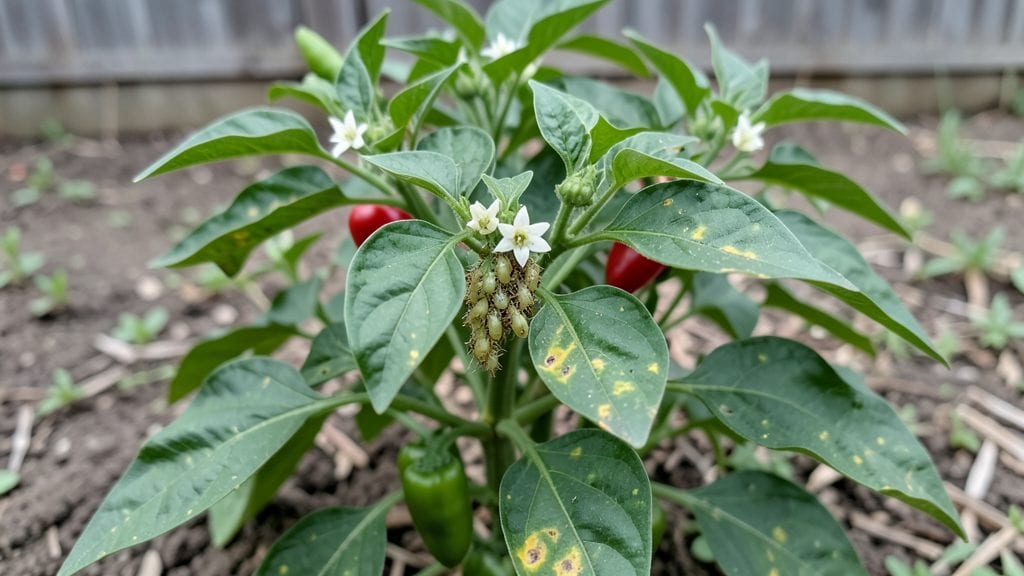
My pepper plants nearly died last summer—not from drought, but from hornworms and spider mites munching them down to stems. 🌱 Organic pest control for peppers isn’t just about sprays; it’s about smart barriers that keep pests out before they start.
I tested everything from floating row covers to homemade soap sprays, and these three methods actually stopped the damage without harming my plants—or my family.
The key is layered defense: neem oil for aphids, handpicking hornworms before they skeletonize leaves, and companion planting with basil or marigolds to repel pests naturally. Most gardeners overlook physical barriers like fine mesh netting, which blocks flying insects entirely.
Once you block the pests, you’ll see fewer chewed leaves, more blooms, and peppers that stay plump and disease-free all season.
You’ll spot the first signs of trouble in 2-3 weeks—yellowing leaves, sticky residue, or tiny webs—and act before the pests take over. The best part? These methods work for bell peppers, jalapeños, and even chili plants, whether you’re growing in pots or garden beds.
No more losing your harvest to tiny invaders.
Fair warning: some pests, like pepper maggots, need extra vigilance. But with these barriers in place, you’ll cut infestations by 70-90% without chemicals. Here’s exactly how to set them up—and when to pull out the big guns if needed.
Root Causes Of Pepper Plant Pests
Pests don’t just appear—they’re drawn to your pepper plants for specific reasons, often tied to environmental conditions, plant health, or even human habits. Understanding these triggers is the first step in preventing infestations before they start.
Let’s break down the science behind why pests target your peppers—and how to fix the underlying issues.
Pests like aphids, spider mites, and whiteflies thrive in weak, stressed plants because they’re easier to feed on. Why?
- Poor air circulation from overcrowded plants creates damp, shaded conditions—perfect for fungal pests and soft-bodied insects.
- Nutrient deficiencies (especially nitrogen or potassium) weaken cell walls, making peppers more vulnerable to chewing insects like hornworms.
- Overwatering or underwatering disrupts root health, stressing the plant and signaling pests that it’s an easy meal.
Actionable fix: Space plants 18–24 inches apart, prune for airflow, and maintain consistent moisture (check soil every 2–3 days).
Pepper plants emit volatile organic compounds (VOCs) that act like dinner bells for pests. Key culprits:
- High sugar content in ripe peppers draws fruit flies and aphids (they love the sweet nectar).
- Damaged leaves release alarm pheromones that attract predators like parasitic wasps—but also secondary pests like thrips.
- Sticky honeydew (excreted by aphids/scale insects) attracts ants, which protect pests in exchange for sugar.
Actionable fix:
- Harvest peppers promptly when ripe.
- Remove damaged leaves immediately.
- Use kaolin clay (a natural barrier) to disrupt pest scent trails.
The ground beneath your peppers is a pest highway. Common soil-based triggers:
- Organic mulch (like grass clippings) can harbor fungal gnats or slugs if too moist.
- Compost piles near plants attract earwigs, cutworms, and even rodents (who dig up seedlings).
- Poor drainage leads to root rot, which weakens plants and invites pests like fungus gnats.
Actionable fix:
- Use straw or wood chips (drier mulches) instead of fresh grass.
- Space compost bins 10+ feet from pepper beds.
- Test soil pH (aim for 6.0–6.8)—acidic soil repels beneficial nematodes.
Not all insects are villains—some are accidental pests.
For example: - Ladybugs (usually helpful) become pests if they cluster in large numbers, feeding on pepper foliage. - Bees might pollinate but also strip flowers if neonicotinoids (common in some sprays) disrupt their foraging. - Parasitic wasps (like Trichogramma) can overpopulate and attack beneficial insects instead.
Actionable fix:
- Handpick clusters of ladybugs early in the morning.
- Avoid broad-spectrum pesticides—opt for neem oil or pyrethrin-based sprays (less disruptive to pollinators).
- Introduce predatory mites (Phytoseiulus persimilis) to control spider mites naturally.
Pro Tip: 💡 Pest pressure spikes in heatwaves—high temps (above 85°F) weaken plants and dehydrate beneficial insects, giving pests the upper hand. Use shade cloth in peak summer to reduce stress.
Quick Fixes for Pepper Plant Pests
Pepper plants are resilient, but pests can turn your garden into a battleground if left unchecked. The good news? Most issues have simple, organic solutions that require minimal effort and no harsh chemicals.
Below, we’ve mapped out practical fixes for common pests, along with prevention tips to keep your plants thriving. Let’s tackle these troublemakers head-on!
Signs: Sticky residue (honeydew), curled leaves, or visible clusters of tiny green/black bugs.
How to Fix It: 🔥 Blast Them Away – Use a strong spray of water (from a hose or spray bottle) to dislodge aphids from leaves. Repeat every 2–3 days until gone. 🍳 Soapy Water Spray – Mix 1 tsp mild liquid soap (like Castile soap) with 1 quart water. Spray directly on infested areas, focusing on the undersides of leaves where aphids hide. 👨🍳 Introduce Beneficial Insects – Ladybugs and lacewings love aphids. Buy them online or attract them with neem oil sprays (which repel pests but won’t harm these helpers). 🥘 Neem Oil Treatment – Spray a neem oil solution (1 tbsp neem oil + 1 tsp soap per quart of water) to suffocate aphids and deter future infestations.
Prevention Tips: ✅ Encourage airflow – Prune plants to reduce dense foliage where aphids thrive. ✅ Plant companion crops – Garlic, onions, or basil near peppers can repel aphids naturally. ✅ Inspect new plants – Quarantine newly purchased plants for a few days to catch hitchhiking pests early.
Signs: Fine webbing on leaves, yellowing foliage, or tiny moving specks (use a magnifying glass to spot them).
How to Fix It: 🔥 Wipe Down Leaves – Dampen a soft cloth or sponge with water and gently clean leaves to remove mites. 🍳 Neem Oil or Horticultural Oil – Spray a neem oil mix (as above) every 5–7 days until mites disappear. These oils smother mites and disrupt their life cycle. 👨🍳 Increase Humidity – Spider mites thrive in dry conditions. Use a hose to mist plants daily or place a tray of water nearby. 🥘 Release Predatory Mites – Phytoseiulus persimilis (a type of beneficial mite) can be purchased online to hunt down spider mites naturally.
Prevention Tips: ✅ Water deeply and frequently – Keep soil moist to deter mites. ✅ Avoid over-fertilizing – Too much nitrogen attracts mites. Use balanced organic fertilizer. ✅ Yellow sticky traps – Place these near plants to catch mites before they spread.
Signs: Leaves suddenly snap off at the base, or you find green-brown caterpillars hiding in soil or mulch.
How to Fix It: 🔥 Handpick at Night – Cutworms are most active after dark. Shine a flashlight and squish or drop them in soapy water. 🍳 Collar Barriers – Wrap the base of young plants with a cardboard collar (cut from a cereal box) or aluminum foil to prevent chewing. 👨🍳 Beauveria Bassiana Fungus – This organic fungus infects and kills cutworms. Sprinkle it around the base of plants. 🥘 Diatomaceous Earth (DE) – Dust food-grade DE around the soil line. It’s non-toxic but deadly to soft-bodied pests like cutworms.
Prevention Tips: ✅ Remove garden debris – Cutworms hide in old mulch or weeds. ✅ Plant marigolds nearby – Their strong scent deters cutworms. ✅ Avoid overwatering mulch – Damp mulch attracts cutworms; keep it dry and loose.
Signs: Punctured leaves (like shotgun holes), and tiny black beetles dashing away when disturbed.
How to Fix It: 🔥 Row Covers – Use floating row covers (lightweight fabric) to physically block beetles from reaching plants. 🍳 Diatomaceous Earth – Sprinkle DE around plant bases and on leaves. Reapply after rain. 👨🍳 Yellow Sticky Traps – Place these near plants to catch adult beetles before they lay eggs. 🥘 Kaolin Clay Spray – Mix kaolin clay (Surround WP) with water and spray on leaves. It repels beetles and reflects sunlight to protect plants.
Prevention Tips: ✅ Interplant with radishes or nasturtiums – These act as trap crops, luring beetles away from peppers. ✅ Water in the morning – Wet leaves help wash away beetles during the day. ✅ Use reflective mulch – Aluminum foil or silver plastic mulch confuses beetles and reduces egg-laying.
Signs: White, moth-like flies swarming when you disturb plants, and sticky honeydew on leaves.
How to Fix It: 🔥 Yellow Sticky Traps – Hang these above plants to catch adult flies. 🍳 Neem Oil or Insecticidal Soap – Spray neem oil or soap solution (as above) directly on leaves, focusing on undersides where larvae hide. 👨🍳 Parasitic Wasps – Encarsia formosa wasps lay eggs in whitefly pupae. Release them for long-term control. 🥘 Blast with Water – A strong spray can knock off adults and disrupt their life cycle.
Prevention Tips: ✅ Inspect new plants – Whiteflies spread quickly; quarantine new additions. ✅ Remove infected leaves – Prune and dispose of heavily infested foliage. ✅ Avoid over-fertilizing – Too much nitrogen attracts whiteflies.
💡 Rotate crops – Avoid planting peppers in the same spot yearly to break pest cycles. 🌡️ Healthy soil = strong plants – Use compost and organic matter to boost plant resilience. 🎯 Diverse plantings – Interplant with herbs (basil, dill, cilantro) to confuse pests. ✨ Early intervention – Check plants weekly for signs of trouble—act fast before pests multiply!
By following these targeted, organic solutions, you’ll keep your pepper plants pest-free and productive—without resorting to harsh chemicals. Happy gardening! 🌿🔥
Frequently asked questions about pepper plant pests
What’s the fastest way to stop hornworms from destroying my pepper plants?
Handpick them at night when they’re sluggish—drop them in soapy water. For long-term control, introduce Trichogramma wasps (parasitic wasps that target hornworm eggs) or use Bacillus thuringiensis (Bt), an organic bacteria that kills caterpillars without harming other insects.
Can I use coffee grounds to repel spider mites from my peppers?
Yes! Coffee grounds create an unfavorable environment for mites when sprinkled around plant bases. Mix them with food-grade diatomaceous earth for extra protection. Reapply after rain, as moisture reduces their effectiveness.
Why do my pepper plants get aphids every year, even with sprays?
Aphids return because they’re drawn to new growth and sweet nectar. Prune suckers regularly, space plants for airflow, and use reflective mulch (like aluminum foil) to confuse them. Introduce ladybugs for natural control—they eat 5,000 aphids in a lifetime!
Is it safe to use neem oil on pepper plants before harvest?
Yes, but wait 24 hours before eating peppers treated with neem oil. It’s organic and non-toxic, but the bitter taste lingers briefly. For harvest-day safety, use kaolin clay (Surround WP) instead—it’s harvest-safe and repels pests without residue.
How do I know if my pepper plant is dying from pests or disease?
Pests leave physical damage (holes, chewed leaves, webbing), while diseases cause discoloration, spots, or mold. Check undersides of leaves for pests (like aphids or mites) and inspect stems for wilting or ooze. Diseases often spread faster and affect entire plants, not just specific areas.