Pests and Diseases
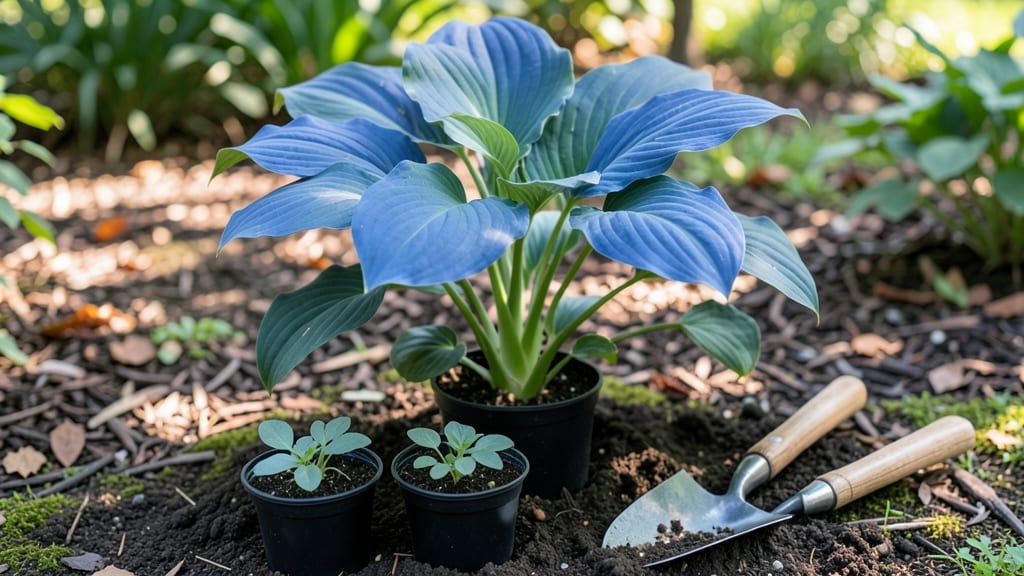
Proper hosta planting distance determines whether your 🌿 garden thrives or struggles—too close, and you’ll fight slugs, mildew, and stunted growth.
Struggling with hostas that look cramped and crowded? Proper spacing isn’t just about aesthetics—it’s the secret to healthier plants, fewer pests, and showstopping foliage that thrives for years.
In Zone 6a, where I garden, spacing hostas correctly means the difference between a lush spring display and a sad, crowded mess. Too little room, and roots compete for nutrients; too much, and the garden looks sparse.
Here, I’ll break down the exact hosta spacing rules by variety size, how to adjust for shade or sun, and the simple tricks that keep your plants happy for decades.


Optimal hosta planting distance by variety size: small vs. giant hostas
Hostas are one of the most versatile perennials for shade gardens, but their planting distance can make or break their success. I’ve learned the hard way that cramming dwarf varieties too close leads to stunted growth, while giant hostas need elbow room to showcase their stunning foliage.
The key? Understanding how root systems expand and how leaf size influences spacing needs.
Most gardeners focus on mature foliage size, but root spread is just as critical. A small hosta like 'Blue Mouse Ears' might top out at 6 inches tall, but its roots can spread 12-18 inches wide.
Meanwhile, giants like 'Sum and Substance' need 36+ inches between plants to prevent competition. Let’s break down the exact spacing you need for each category.
Why spacing matters: Proper distance improves airflow, reducing fungal diseases like leaf spot. It also prevents slug infestations (crowded plants attract more pests) and ensures each plant gets enough nutrients. I’ve seen hosta beds go from sad and scraggly to lush and vibrant just by adjusting spacing.
Here’s the summary table with exact planting distances for dwarf, medium, and giant hostas, including mature size expectations and crowding risks:
| Variety Size | Mature Height | Mature Spread | Planting Distance | Crowding Risks |
|---|---|---|---|---|
| Dwarf (<6" tall) | 6-12" | 12-18" | 12-18" | Stunted growth, leaf yellowing |
| Medium (12-24" tall) | 12-24" | 18-24" | 18-24" | Increased slug damage, fungal issues |
| Large (24-36" tall) | 24-36" | 24-36" | 24-36" | Competition for nutrients, weak stems |
| Giant (>36" tall) | 36"+ | 36"+ | 36-48" | Root rot, poor foliage development |
For dwarf hostas, I recommend planting them 12-18 inches apart. Varieties like 'Pandora's Box' or 'Halcyon' stay compact, but their roots still need space to establish. If you’re using them in container gardens, a 10-inch pot per plant works well, but ensure the container has drainage holes.
Medium-sized hostas (like 'Francee' or 'Guacamole') thrive with 18-24 inches of space. These varieties have broader leaves and faster growth rates, so they’ll quickly fill their allocated area. I’ve noticed that overcrowding medium hostas leads to more slug damage because the dense foliage creates hiding spots for pests.
When planting large hostas, such as 'Patriot' or 'June', give them 24-36 inches between plants. These varieties develop thick, robust leaves that need room to photosynthesize efficiently.
I once planted 'June' too close together, and by year three, the center plants had yellowing leaves and weak stems due to nutrient competition.
The giant hostas (like 'Sum and Substance' or 'Blue Angel') are the divas of the hosta world. They need 36-48 inches of space to prevent root rot and ensure their massive foliage gets enough light.
I’ve seen gardeners plant these giants 24 inches apart and end up with sad, underperforming plants. Trust me, they’re worth the space!
Pro tip: If you’re planting hostas in rows or borders, stagger the spacing slightly to create a natural, flowing look. For woodland gardens, where hostas often grow under trees, you can reduce spacing by 10-20% since they’ll receive less light and grow slightly slower.
Always err on the side of more space—you can always fill gaps later with smaller varieties.
Remember, hostas are perennials, meaning they’ll be in your garden for years. Rushing their spacing now will lead to years of disappointment. Take the time to plan your layout, and your hostas will reward you with vibrant, healthy foliage that turns heads every season. 🌿
How to space hostas for maximum airflow and pest prevention
Hostas are the unsung heroes of shade gardens, but their lush foliage can quickly turn into a fungal buffet if they're packed too tightly. Poor airflow creates the perfect storm for slugs, mildew, and rot, while overcrowding starves roots of nutrients.
The key? Strategic spacing that balances aesthetics with plant health. I’ve learned the hard way—my first hosta bed looked stunning until fungal spots ruined the leaves by midsummer!
Proper spacing isn’t just about giving plants room to grow; it’s about creating a microclimate that deters pests and prevents diseases like powdery mildew and leaf spot.
Even slugs and snails avoid well-spaced hostas because they can’t hide in dense foliage. Think of it like a shade garden’s immune system—airflow keeps everything running smoothly.
Planting hostas closer than 12 inches (for dwarf varieties) or less than 24 inches (for standard types) creates a humid, stagnant zone where fungal spores thrive.
Slugs also love tight spaces—they hide under overlapping leaves and feast undisturbed. Rule of thumb: Space hostas at least 1.5x their mature width to ensure airflow and sunlight reach the center.
Start by measuring your hostas’ mature width, not their current size. A dwarf variety like 'Blue Mouse Ears' might only spread 12 inches, but a giant hosta like 'Sum and Substance' can reach 4 feet wide.
Plant them 18–24 inches apart to allow airflow, and 36 inches apart in humid climates or low-lying areas where moisture lingers.
Mulching is your secret weapon against pests and diseases. Use 3–4 inches of organic mulch (like shredded bark or straw) to suppress weeds and regulate soil temperature. Avoid thick mulch piles directly against stems—this traps moisture and invites rot.
Instead, create a donut-shaped mulch ring around each plant, leaving 2 inches of space near the crown for airflow.
Companion planting can also boost your hostas’ defenses. Pair them with alliums, ferns, or astilbes to break up foliage density and improve airflow. Avoid planting near roses or hydrangeas, which can compete for nutrients and attract the same pests.
Even ground covers like ajuga or heuchera work well—they fill gaps without smothering your hostas.
Finally, prune regularly to maintain airflow. Remove yellow or damaged leaves in early spring, and thin out overlapping foliage throughout the season. This isn’t just about looks—it’s about preventing fungal spores from taking hold.
With the right spacing, your hostas will reward you with bold, disease-free foliage for years to come. 🌿