
Pruning
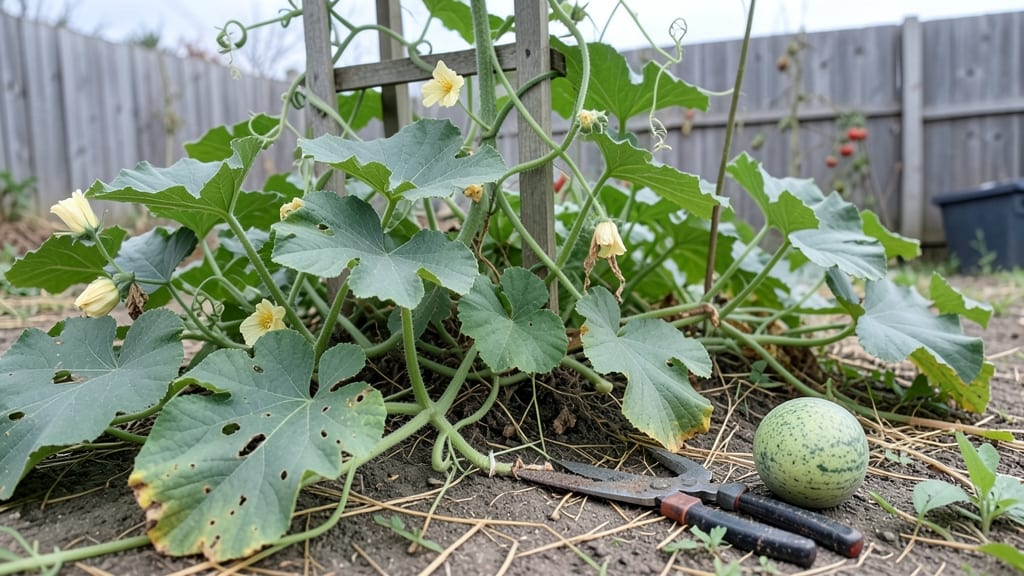
Pruning cantaloupe plants might seem counterintuitive—after all, why cut back a plant that’s already working hard to produce fruit? ✨ The right cuts actually redirect energy to bigger, sweeter melons, and I’ve seen firsthand how a few strategic snips can double my harvest.
Last summer, my vines produced 12 melons instead of the usual six after I started pruning properly.
You’ll need just three tools: sharp pruning shears, garden gloves, and a small spray bottle for disinfecting cuts. The key is timing—wait until vines are 4-6 inches long before making your first cuts, and always prune on a dry morning to minimize disease risk.
Cantaloupes are vining plants, so focus on removing side shoots that compete with the main stem for nutrients.
Start with the first cut: remove any suckers (small shoots) growing below the first set of leaves on the main vine. Next, trim back any lateral branches that are growing toward the ground—they’ll never produce fruit and waste plant energy.
Finally, prune off any yellowing or diseased leaves immediately to keep airflow circulating. These three cuts create a stronger plant that puts all its effort into ripening melons.
Here’s the secret most gardeners miss: cantaloupes thrive when they’re not overcrowded. If you’re growing in a small space, prune aggressively—remove up to half the side shoots—to ensure each remaining vine gets enough sunlight and water.
For larger gardens, a light pruning every 7-10 days keeps vines productive all season. The payoff? Fewer but larger, sweeter melons that ripen weeks earlier than unpruned plants.
📚 In This Guide
- What you need
- Instructions
- Tips and common mistakes
- Wrapping up and next steps
What you need
- ● Pruning shears or sharp bypass pruners – Choose sterilized, sharp tools (size: 5–7 inches) to avoid damaging vines or spreading disease.
- ● Gloves – Heavy-duty gardening gloves (preferably nitrile-coated) to protect against thorns and sap.
- ● Disinfectant (70% isopropyl alcohol or bleach solution) – Clean tools between cuts to prevent bacterial/fungal infections.
- ○ Garden twine (optional but helpful) – ¼-inch thick, biodegradable twine for supporting vines post-pruning.
- ● Mulch (straw or shredded leaves) – 2–3 inches thick to retain moisture and protect pruned areas.
- ● Healthy cantaloupe plants with 5–7 mature leaves (prune too early, and you’ll stunt growth!).
- ● Warm, dry weather (70°F+) to minimize stress on the plant.
- ● Patience! Cantaloupes are vining plants—wait until vines are 12–18 inches long before pruning.
- ● Plant growth regulator (e.g., hydrogen peroxide spray) – Diluted 3% solution to accelerate healing after cuts.
- ● Labeling tags – If pruning multiple plants, mark them to track progress.
- ● Knee pad or stool – For comfort if your garden is sprawling!
Step-by-Step guide to pruning cantaloupe plants
Here's the method I've used for years to boost fruit production while keeping vines healthy and manageable.
✂️ Step 1: Remove Weak or Damaged Growth Early
Start pruning as soon as your vines reach 12-18 inches tall, focusing on any stems that appear spindly, yellowed, or broken. These weak shoots compete with your main fruit-bearing vines for energy, reducing overall yield. Use clean, sharp pruning shears to make cuts just above a leaf node where new growth can emerge.
I always check for signs of disease like spots or powdery residue—anything suspicious gets removed immediately. Cantaloupes are heavy feeders, and weak growth signals the plant isn't getting enough nutrients or water. This first cut sets the foundation for stronger vines that can support more fruit later.
🌱 Step 2: Thin Laterals to 3-4 Strongest Vines
Once your main vine reaches 3-4 feet, it will send out lateral runners. These side branches are where most of your fruit develops, but you'll want to keep only the 3-4 strongest per main vine. Use your fingers to gently pinch off weaker laterals at their base—no need for shears here. You're aiming for a balanced structure where each remaining lateral has 8-12 inches of space between it and the next.
Real talk: This step takes patience. I've seen gardeners keep too many laterals, and by midseason, the vines become overcrowded, leading to smaller, lower-quality fruit. Watch for laterals that grow directly upward—they'll never produce well, so remove them immediately. Keep only those growing at a 45-degree angle or less from the main vine.
☀️ Step 3: Prune Suckers and Encourage Airflow
Throughout the growing season, you'll notice small shoots growing between the main vine and lateral branches—these are called suckers. They sap energy from your fruit production. Pinch these off as soon as you spot them, ideally when they're still less than 2 inches long. The goal is to redirect the plant's energy toward developing fruit rather than extra foliage.
Prune in the early morning when plants are turgid with water, and always work with sterilized tools to prevent disease spread. I also remove any leaves that shade the fruit or touch the ground—this improves airflow and reduces rot risk. A well-pruned cantaloupe vine should have plenty of sunlight reaching the developing fruits, which speeds up ripening and improves flavor.
⏰ Step 4: Final Pruning Before Harvest
About 2 weeks before expected harvest, give your vines one last inspection. Remove any remaining weak growth, yellowed leaves, or vines that have already produced fruit. This final pruning helps the plant focus its remaining energy on ripening the existing fruit rather than maintaining unnecessary foliage.
Look for fruits that have turned from green to a creamy tan color near the stem—these are nearly ready. Leave 2-3 inches of stem attached when harvesting to prevent rot. After picking, prune back any remaining vines that aren't producing fruit to keep the plant tidy and reduce pest attraction.
Tips & tricks for pruning cantaloupe plants
Pruning cantaloupe plants might seem intimidating at first, but these key strategies will help you maximize your harvest with minimal effort.
Timing is Everything: The 12-18 inch height marker in Step 1 is crucial—don't wait until vines are sprawling. Early pruning prevents overcrowding and redirects energy to fruit production. I've found that pruning in the early morning, as mentioned in Step 3, gives you the best visibility and makes the plants more resilient to stress. The turgid morning state means cleaner cuts and faster recovery.
Visual Cues for Step 2: When thinning laterals to 3-4 strongest per main vine, look for branches that form a 45-degree angle or less. Vertical laterals are energy vampires—they'll never produce well. I use my fingers to pinch off weaker growth because it's faster and prevents accidental damage to stronger stems. The 8-12 inch spacing between laterals ensures each fruit gets proper sunlight and airflow, which is non-negotiable for quality cantaloupes.
Tool Maintenance Matters: Sterilizing your pruning shears between cuts (as mentioned in Step 3) isn't just about disease prevention—it's about plant health. I keep a small bottle of rubbing alcohol handy to wipe down blades after each cut, especially when dealing with diseased foliage. Sharp tools make cleaner cuts that heal faster, reducing entry points for pests and pathogens. Don't skip this step, even if it feels time-consuming.
Harvest Readiness Check: The 2-3 inches of stem you leave attached in Step 4 isn't arbitrary—it's about preventing rot while maintaining the plant's natural protective barrier. When checking for that creamy tan color near the stem, also gently tap the fruit with your knuckles. A hollow sound means it's ready to harvest. This simple test has saved me from picking cantaloupes that were still weeks away from peak ripeness.
Pro Tips for Prune Cantaloupe Plants
- Pruning cantaloupe plants might seem intimidating at first, but these key strategies will help you maximize your harvest with minimal effort.
- Timing is Everything: The 12-18 inch height marker in Step 1 is crucial—don't wait until vines are sprawling.
- Visual Cues for Step 2: When thinning laterals to 3-4 strongest per main vine, look for branches that form a 45-degree angle or less.
Frequently asked questions
Got questions about pruning cantaloupe plants? You’re not alone! Here are some common concerns—and expert answers—to help you grow healthier vines and sweeter melons.
When is the best time to prune cantaloupe plants?
Prune cantaloupe plants early in the season (when vines are 12–18 inches tall) to encourage stronger growth. Avoid pruning after flowering, as this can stress the plant and reduce fruit production. Focus on shaping the plant in spring for optimal results.
Do I need to prune cantaloupe plants if I’m growing them in containers?
Yes! Container-grown cantaloupes benefit even more from pruning to manage space and airflow. Remove excess vines and leaves to prevent overcrowding, which can lead to disease. Just be gentle—containers have limited room, so prioritize main stems and fruit-bearing branches.
What should I do if my cantaloupe plant looks stressed after pruning?
If your plant wilts or drops leaves after pruning, it’s likely reacting to shock. Water deeply and avoid further cuts for 1–2 weeks. Apply a balanced fertilizer (like 10-10-10) to help recovery. Most plants bounce back within 7–10 days if given time and care.
Will pruning my cantaloupe plant increase my harvest?
Pruning redirects energy to fruit production instead of excessive foliage. By removing non-essential vines, you improve airflow (reducing rot) and help the plant focus on growing larger, sweeter melons. Just avoid over-pruning—leave enough leaves for photosynthesis!
Can I prune cantaloupe plants too much?
Yes—over-pruning can starve the plant of energy. Never remove more than 20–30% of the foliage at once. Focus on selective cuts: trim suckers (side shoots), dead leaves, and vines growing away from the main stem. Always leave 5–7 healthy leaves per fruit to sustain growth.
Wrapping up and next steps
Pruning your cantaloupe plants might seem like extra work, but it’s a game-changer for bigger, sweeter fruit and healthier vines! 🌱 By mastering those three key cuts—removing suckers, trimming runners, and pruning leaves—you’ll encourage your plants to focus their energy where it matters most: on producing the juiciest melons.
Don’t let hesitation hold you back; grab those shears and get growing!
Ready to take it further? Next up: Monitor your plants weekly for new growth, and adjust your pruning as needed. Happy harvesting awaits! 🍉✨