Pruning
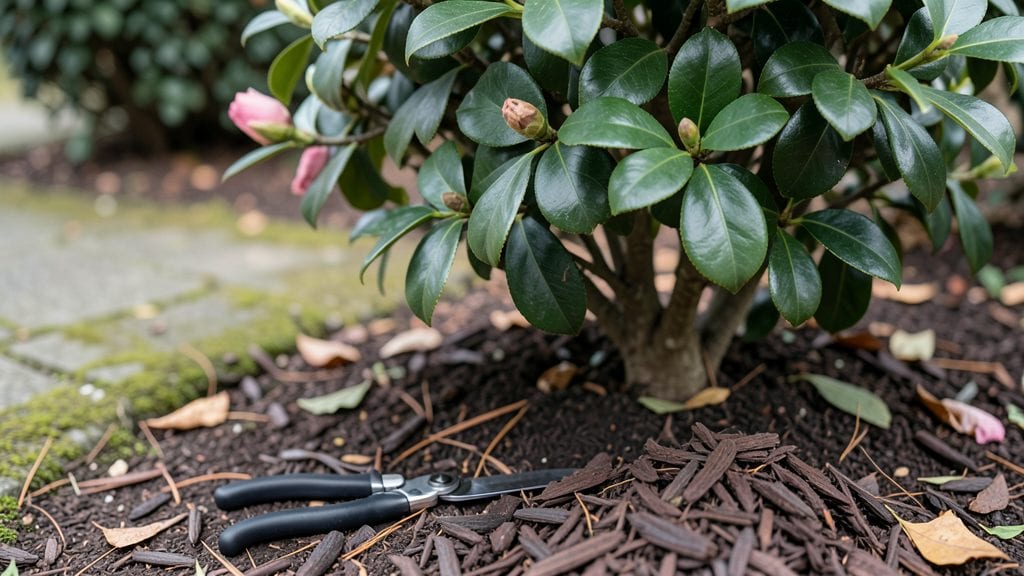
Pruning Japonica plants year-round keeps them shockingly lush and blooming like clockwork. ✨ I learned the hard way that skipping seasonal trims leads to leggy, sparse growth—now my camellias produce dense foliage and vibrant flowers from winter to fall.
The secret is timing: light pruning after blooms in late spring, shaping in summer, cleaning up in fall, and minimal winter cuts. You’ll only need sharp bypass pruners, gloves, and a clear goal—whether that’s encouraging new growth or controlling size.
Most people over-prune, but these plants are forgiving if you follow the right rhythm.
By mid-summer, you’ll see fuller branches with more buds forming for next year’s blooms. The foliage stays glossy and dense, and pests struggle to take hold in the open structure. This isn’t just about looks—it’s about keeping your plant healthy for decades.
Works for both container-grown and in-ground Japonicas, regardless of your climate zone. The same principles apply whether you’re dealing with a mature shrub or a young plant. Let’s get those branches in shape!
Root Causes Of Overgrowth
When your Japonica plant—whether it’s a Hydrangea macrophylla or Abelia x grandiflora—starts looking unruly, it’s usually a sign that its natural growth patterns are being disrupted. Understanding the why behind overgrowth helps you prune more effectively and keep your plant thriving year-round.
Let’s break down the key reasons your Japonica might be overgrowing and what’s driving it.
Plants, including Japonicas, produce growth hormones like auxins and cytokinins to spur new shoots, leaves, and flowers. When these hormones aren’t regulated—often due to excessive sunlight, water, or nutrients—the plant goes into overdrive, producing more growth than you want.
- Too much sunlight: Japonicas love light, but too much (especially direct, intense sun) triggers rapid cell division, leading to leggy stems and dense foliage. Solution: If your plant is in a hot, sunny spot, provide afternoon shade or use a light shade cloth.
- Over-fertilization: Excess nitrogen (a common culprit in fertilizers) promotes leafy growth over flowers. Japonicas like Hydrangeas may produce fewer blooms if they’re fed too heavily in spring. Solution: Use a balanced fertilizer (10-10-10 or 20-20-20) and follow the label’s dosage.
- Root-bound stress: When roots are cramped in a pot, the plant signals for more top growth to compensate. This creates a top-heavy look. Solution: Check roots every 2 years—if they’re circling the pot, repot into a container 2-3 inches larger.
Japonicas have specific growth cycles—they bloom on old wood (last year’s growth) or new wood (current season’s growth), depending on the variety. Missing the right pruning window can lead to uncontrolled sprawl or misshapen growth.
| Growth Type | Pruning Window | What Happens If You Skip It? |
|---|---|---|
| Old Wood Bloomers (e.g., Hydrangea macrophylla) | Late winter/early spring (just as buds swell) | Stems become woody and leggy, with fewer blooms. The plant may produce long, bare stems with clusters of flowers at the tips. |
| New Wood Bloomers (e.g., Abelia, Weigela) | Late winter or early spring before new growth starts | Overgrowth becomes dense and tangled, with weak stems that flop under their own weight. |
Pro Tip: 🌡️ Timing is everything—prune when the plant is dormant (late winter) for old wood bloomers, or right after flowering for new wood types to encourage next year’s blooms.
Japonicas are adaptable, but extreme conditions can throw their growth patterns off balance. Too much water, poor drainage, or sudden temperature shifts can all trigger compensatory growth—meaning the plant puts all its energy into surviving rather than maintaining a neat shape.
- Overwatering: Soggy soil drowns roots, forcing the plant to grow faster and weaker to escape the waterlogged conditions. Solution: Ensure pots have drainage holes and water only when the top 1-2 inches of soil are dry.
- Underwatering: While less common, chronic drought stress can cause Japonicas to bolt upward in search of moisture, leading to tall, spindly stems. Solution: Mulch around the base to retain moisture and water deeply 1-2 times per week in summer.
- Temperature swings: Sudden heatwaves or cold snaps can shock the plant, causing erratic growth spurts. Solution: Move potted Japonicas to a protected spot during extreme weather and avoid placing them near drafts or heaters.
Hidden threats like aphids, spider mites, or fungal infections can weaken your Japonica, causing it to overcompensate with excessive growth. Infestations or diseases often go unnoticed until the plant’s structure is already compromised.
- Sap-sucking pests (aphids, scale): These insects steal nutrients, leading to stunted, distorted leaves and long, weak stems as the plant tries to recover. Solution: Spray with neem oil or introduce ladybugs for natural control.
- Powdery mildew: A fungal disease that thrives in humid, shaded conditions, causing a white powdery coating on leaves. The plant may produce more leaves to photosynthesize but with poor quality. Solution: Improve airflow, avoid overhead watering, and treat with baking soda spray (1 tsp baking soda + 1 quart water + a drop of dish soap).
- Root rot: Caused by overwatering or poor drainage, this disease decays roots, forcing the plant to grow abnormally fast to survive. Solution: Repot in fresh, well-draining soil and trim away mushy roots.
Key Takeaway: Overgrowth in Japonicas is rarely just about too much growth—it’s usually a response to stress or imbalance. By addressing the root causes (literally and figuratively), you’ll prune more effectively and keep your plant lush, healthy, and in check all year.
Revive Your Japonica Plant
If your Japonica plant isn’t thriving despite your best efforts, don’t worry—most issues have simple fixes. Below, we’ve mapped common problems to practical solutions, so you can restore your plant’s health and keep it lush year-round.
Always work with clean, sharp tools and prune during the plant’s active growth phase (spring or early summer) for the best results.
Cause: Too little light, excessive nitrogen, or infrequent pruning. Fix:
- 🔪 Trim back leggy stems by cutting just above a leaf node (where leaves grow) to encourage bushier growth. Aim for a balanced shape.
- 🌞 Move to brighter light (4–6 hours of direct sunlight daily). If indoors, place near a south- or west-facing window.
- 🌿 Reduce nitrogen-heavy fertilizers and switch to a balanced 10-10-10 formula to promote foliage over stem growth.
Prevention: Prune lightly every 4–6 weeks to maintain shape and prevent overgrowth. Rotate the plant weekly for even growth.
Cause: Overwatering, underwatering, or poor drainage. Fix:
- 💧 Check soil moisture—stick your finger 1–2 inches deep. If damp, wait to water; if dry, give it a thorough soak.
- 🏺 Improve drainage by adding perlite or sand to heavy clay soil. Ensure pots have drainage holes.
- 🌿 Trim damaged leaves at the base with sterilized scissors to redirect energy to healthy growth.
Prevention: Water only when the top inch of soil is dry. Use a well-draining potting mix designed for shrubs.
Cause: Cold snaps, lack of winter protection, or improper pruning before frost. Fix:
- 🔥 Prune dead or damaged branches in late winter (after the last frost) to stimulate new growth. Cut back to live wood.
- 🛡️ Mulch heavily around the base (3–4 inches) with straw or shredded bark to insulate roots.
- 🌡️ Cover young plants with frost cloth if temperatures drop below 20°F (-7°C).
Prevention: Prune for winter shape in early fall (before hard frosts) and avoid heavy pruning in late summer.
Cause: Stress from poor care, crowded plants, or weak immunity. Fix:
- 🚿 Blast off pests with a strong stream of water to dislodge them, then apply neem oil or insecticidal soap (follow label instructions).
- 🌿 Prune infested areas and dispose of severely damaged leaves in sealed bags.
- 🐞 Introduce beneficial insects like ladybugs or lacewings if outdoors.
Prevention: Inspect plants weekly, especially undersides of leaves. Keep the area around your Japonica clean of debris.
Cause: Nutrient deficiency, improper pruning timing, or lack of sunlight. Fix:
- 🌿 Fertilize in spring with a phosphorus-rich formula (e.g., 5-10-5) to encourage blooming. Stop fertilizing in late summer.
- ☀️ Ensure full sun exposure (6+ hours daily). Japonicas often bloom best with ample light.
- ✂️ Prune lightly after flowering to shape the plant without removing too many buds for next year.
Prevention: Prune for airflow in early spring to reduce disease risk. Avoid heavy pruning in fall.
With these targeted fixes, your Japonica will bounce back stronger than ever. Remember: consistency is key—regular light pruning and attentive care will keep it thriving across all four seasons! 🌿✨
Frequently asked questions
When is the best time to prune Japonica plants for maximum blooms?
For old wood bloomers like Camellia japonica, prune right after flowering in late spring. For new wood bloomers, prune in late winter before buds swell. This timing ensures you don’t cut off next year’s flower buds while maintaining an open, airy structure that encourages vibrant blooms.
How much should I cut back my Japonica plant during pruning?
Never remove more than one-third of the plant in a single session. For shaping, cut back to just above a leaf node or outward-facing bud. Avoid cutting into old wood unless necessary—this can reduce flowering. Light, regular pruning works better than drastic cuts.
Can I prune Japonica plants in summer?
Yes, but limit it to light shaping after flowering. Heavy summer pruning can stimulate tender new growth that’s vulnerable to frost damage. If you must prune, do it in early summer and avoid cutting into current year’s flower buds. Focus on removing only dead or crossing branches.
What if I accidentally prune at the wrong time?
Don’t panic—Japonicas are resilient! If you prune too late (fall/winter for old wood bloomers), you may reduce next year’s flowers, but the plant will recover. For severe mistakes, focus on proper care (water, sunlight, soil) and light pruning in the correct season next year. Most varieties bounce back within 1-2 seasons.