Aphids
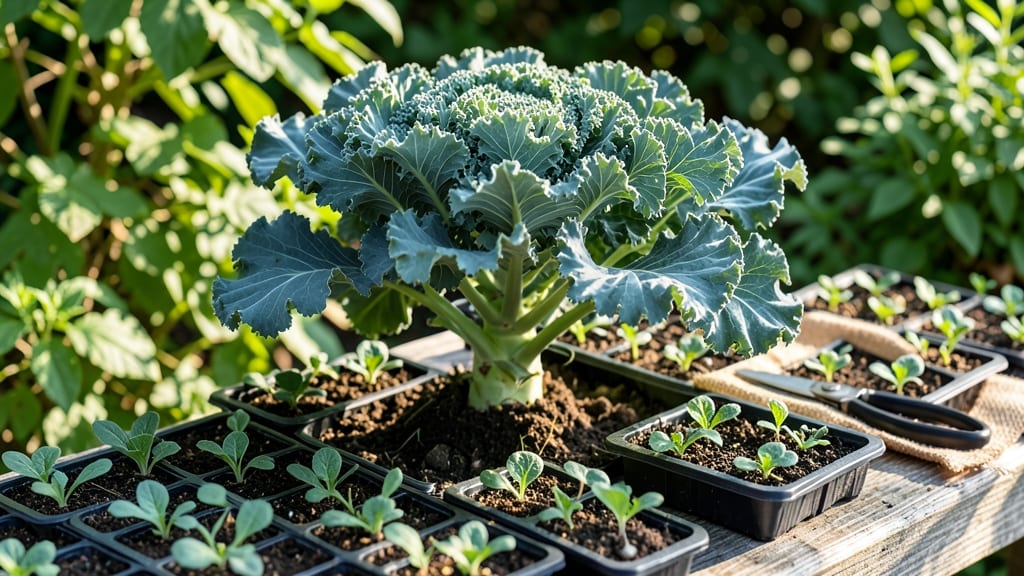
Planting kale in summer isn’t just possible—it’s the secret to avoiding the aphid swarms that take over in spring. 🌿 I’ve grown summer kale for three years now, and the right varieties actually thrive when temps hit 85°F, while most gardeners give up.
The trick? Choosing heat-tolerant types like ‘Dwarf Blue Curled’ or ‘Winterbor’ and starting seeds at the right time.
You’ll need well-draining soil with plenty of compost (no soggy roots here), shade cloth for afternoon sun, and consistent watering—deep but infrequent. Most people overwater in summer, thinking kale needs more moisture, but that’s how you invite fungal issues.
My plants stay crisp and pest-free with just 1 inch of water per week once established.
By late August, you’ll be harvesting tender leaves that taste sweeter than spring kale. The pest resistance in these varieties means fewer aphids, no need for sprays, and a garden that keeps producing when others quit. The first harvest is always the sweetest—literally, the heat concentrates the flavor.
Works in zones 3-9, though southern gardeners should use shade cloth year-round. Northern growers can push it into early fall for a second crop. Here’s how to time it perfectly for your region without losing your mind to bolting.
📚 In This Guide
- What you need
- Instructions
- Tips and common mistakes
- Wrapping up and next steps
What you need
- ● Kale Seeds or Seedlings: Choose heat-tolerant varieties like ‘Dwarf Blue Curled,’ ‘Red Russian,’ or ‘Lacinato (Dinosaur).’ (Avoid bolting-prone types like ‘Winterbor.’)
- ● Quantity: 20–50 seeds (or 3–5 seedlings) per 10 sq. ft. for a bountiful harvest.
- ● Well-Draining Soil: Mix 1 part compost with 2 parts garden soil (pH 6.0–7.0). Add perlite or vermiculite (10% by volume) for aeration.
- ○ Optional: Amend with 1 cup of aged manure or worm castings per sq. ft. for extra nutrients.
- ● Containers or Garden Bed: For containers: 5–10 gallon pots with drainage holes (minimum 12-inch depth).
- ● For in-ground planting: Full sun (6+ hours/day) with partial afternoon shade in scorching climates.
- ● Hand Trowel (for transplanting seedlings or sowing seeds).
- ● Gloves (gardening or work gloves to protect your hands).
- ● Watering Can or Hose with Nozzle (gentle spray for seedlings; 1–2 gallons per sq. ft. weekly).
- ● Row Cover or Shade Cloth (30–50% shade fabric for seedlings in hot zones).
- ● Organic Mulch (straw or shredded leaves, 2–3 inches thick to retain moisture).
- ○ Pest Control (Optional but Recommended): Neem oil spray (1 tbsp per quart of water) for aphids.
- ● Diatomaceous earth (food-grade, 1 cup per sq. ft.) as a barrier.
- ● Beneficial insects (ladybugs or lacewings, 50–100 per 100 sq. ft.).
- ● Timing: Start seeds indoors 4–6 weeks before last frost or direct-sow after soil temps drop below 85°F (late summer/early fall).
- ● Watering Schedule: Keep soil consistently moist (not soggy) during germination and drought-prone months.
- ● Succession Planting: Sow new seeds every 2–3 weeks for continuous harvests.
- ● Pest Monitoring: Check leaves daily for aphids or cabbage worms (especially on undersides!).
How to plant heat-tolerant kale in late summer
Here’s my go-to method for growing kale that survives summer’s worst—using the right varieties and timing.
🌱 Step 1: Select the Right Heat-Resistant Varieties
Skip the standard curly kale—it bolts fast in summer heat. Instead, choose ‘Dwarf Blue Curled’, ‘Lacinato (Dinosaur)’, or ‘Red Russian’ varieties, which handle temperatures up to 85°F better than most. I always grab seeds from a reputable supplier to avoid weak, disease-prone stock. Look for packets labeled “heat-tolerant” or “bolt-resistant.”
If you’re planting from starts, check the leaves for dark green, crisp texture—any yellowing or soft spots means the plant’s already stressed. Avoid kale with pale or wilted leaves, as these won’t recover once transplanted.
🪴 Step 2: Prepare the Soil for Summer Survival
Kale hates soggy roots but also struggles in dry, compacted soil. Amend your garden bed with 2 inches of compost mixed into the top 6 inches of soil. This improves drainage while retaining moisture—critical for summer’s erratic watering cycles. I like to work in a handful of aged manure (like cow or chicken) for extra nutrients without burning the plants.
Test the soil’s moisture by squeezing a handful—it should hold together but not drip. If it crumbles, water lightly and let it settle before planting. Avoid working the soil when it’s bone-dry or waterlogged, as both conditions stress young roots.
☀️ Step 3: Time Planting for Late Summer Success
Plant seeds or transplants 6-8 weeks before your first fall frost date—this gives them time to establish roots before cooler weather arrives. In hot climates, aim for late July to early August so they mature before temperatures drop too low. I always plant on a cloudy afternoon to reduce transplant shock.
Space plants 12-18 inches apart in rows 2 feet apart to allow airflow, which prevents fungal diseases like downy mildew. Crowding stresses kale, making it more vulnerable to pests. If you’re direct-sowing, plant seeds ½ inch deep—deeper planting delays germination in heat.
💧 Step 4: Water Deeply and Mulch to Retain Moisture
Water deeply 1-2 times per week (early morning is best) to encourage strong root growth. Let the top 1-2 inches of soil dry out between waterings—this prevents root rot while keeping leaves crisp. I use a soaker hose to deliver water at the base, avoiding wet foliage, which attracts pests.
Spread 2-3 inches of straw mulch around each plant (but not touching the stems) to lock in moisture and keep soil temperatures steady. Mulch also blocks weeds, which compete for water. Replenish mulch every 2-3 weeks as it breaks down.
✂️ Step 5: Harvest Strategically for Continuous Growth
Start harvesting outer leaves when they reach 6-8 inches tall, leaving the inner leaves to keep growing. This method gives you 3-4 harvests per plant before bolting. I always use clean, sharp scissors to avoid tearing leaves, which invites disease.
If temperatures drop below 40°F, protect plants with row covers or move pots to a sheltered spot. Kale’s flavor actually improves after a light frost, but sudden cold snaps can damage tender leaves. Watch for yellowing leaves—this often signals overwatering or nutrient deficiency, not cold stress.
Tips & tricks for perfect summer kale planting
Here’s how to avoid common pitfalls and maximize your summer kale harvest—these tricks have saved my plants from bolting and pests.
Variety Selection: The 85°F heat tolerance mentioned for varieties like ‘Dwarf Blue Curled’ isn’t just about surviving—it’s about thriving. Look for seed packets that specify “heat-tolerant” or “slow-bolting” traits. I’ve found that ‘Red Russian’ handles humidity better than others in my climate, so if you live in a muggy area, prioritize this variety.
Soil Preparation: Don’t just add compost—work it into the top 6 inches of soil to create a moisture-retaining layer that prevents roots from overheating. I’ve learned the hard way that surface-level compost doesn’t help when summer sun bakes the topsoil. Also, mix in a handful of aged manure for that extra nutrient boost without risking burn—just be sure to compost it first if it’s fresh.
Planting Timing: Those 6-8 weeks before frost aren’t just a guideline—they’re critical for root establishment. In my zone 8 garden, planting in late July gives plants enough time to mature before fall’s cooler weather sets in. If you’re unsure about your frost date, check your local agricultural extension service—they have precise data for your area.
Watering Strategy: The deep watering 1-2 times per week isn’t about quantity—it’s about technique. Use a soaker hose to deliver water directly to the soil, avoiding wet foliage that attracts pests. I’ve noticed that watering in the early morning gives leaves time to dry completely, which significantly reduces fungal risks. And remember, those top 1-2 inches of dry soil between waterings are key to preventing root rot.
Pro Tips for Kale Summer Planting
- Here’s how to avoid common pitfalls and maximize your summer kale harvest—these tricks have saved my plants from bolt...
- Variety Selection: The 85°F heat tolerance mentioned for varieties like ‘Dwarf Blue Curled’ isn’t just about survivin...
- Soil Preparation: Don’t just add compost—work it into the top 6 inches of soil to create a moisture-retaining layer t...
Frequently asked questions
Got questions about growing kale in the summer heat? You’re not alone! Here are answers to the most common concerns—from timing to troubleshooting—to help you cultivate thriving, pest-resistant kale all season long.
When is the best time to plant kale for summer harvests?
For summer planting, aim for late spring to early summer (6–8 weeks before your first frost date). Choose heat-tolerant varieties like Lacinato (Dinosaur) or Red Russian, which handle warmer temps better. Start seeds indoors 4–6 weeks before transplanting outdoors to avoid bolting (flowering too soon).
How do I protect kale from pests like aphids in hot weather?
Use neem oil or insecticidal soap as a first line of defense—spray early in the morning to avoid harming beneficial insects. Row covers (lightweight fabric) can shield young plants, and introducing ladybugs or lacewings naturally controls aphid populations. Avoid overwatering, which attracts pests.
Does kale need extra water in summer, and how much?
Yes! Kale thrives with 1–1.5 inches of water per week, especially in heat. Water deeply at the base of the plant (not leaves) to prevent fungal diseases. Mulch with straw or grass clippings to retain moisture and cool roots. Drip irrigation is ideal—it’s efficient and keeps foliage dry.
Can I grow kale in containers during summer, and what size pot works best?
Kale grows well in containers as long as they’re at least 12–18 inches deep and wide enough for roots to spread. Use a well-draining potting mix with compost, and place pots in partial shade (afternoon sun can scorch leaves). Varieties like Dwarf Blue Curled are perfect for small spaces.
Will my summer-planted kale survive a sudden heatwave or frost?
Kale is not frost-tolerant like its winter counterparts, but most varieties handle 80–90°F heat if shaded during peak sun. If temps hit 95°F+, provide afternoon shade with a cloche or shade cloth. For frost, harvest before temps drop below 25°F—kale won’t regrow after freezing.
What’s the fastest way to revive wilted or heat-stressed kale?
Trim yellow or damaged leaves to redirect energy, then give plants a deep watering and a balanced fertilizer (like 10-10-10). Move containers to shadier spots temporarily, and avoid fertilizing during extreme heat. Most kale recovers within 1–2 weeks with proper care!
Wrapping up and next steps
Planting kale in the summer might seem tricky, but with the right pest-resistant varieties and heat-tolerant strategies, you can enjoy a thriving harvest! 🌿 Whether you’re a seasoned gardener or just starting out, these tips empower you to grow resilient kale even in warmer months.
Now that you’re armed with knowledge, grab your gloves and take the next step—start planting your heat-loving kale today and savor the rewards of your green thumb! 🌱