
Pests
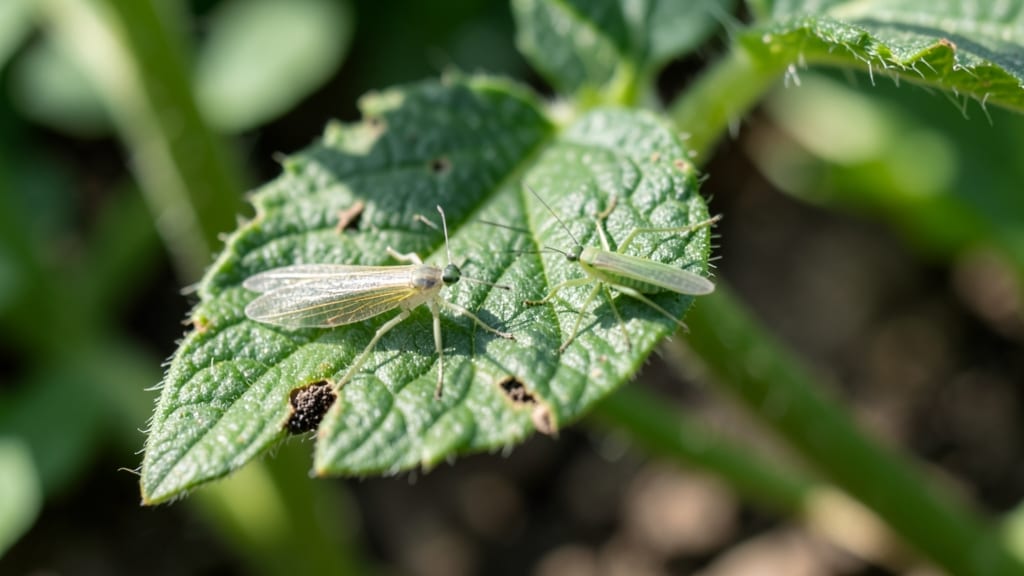
Those little bugs on your tomato plants can turn a thriving harvest into a sad, skeletonized mess—unless you act fast. 🌱 I’ve battled everything from aphids to spider mites, and neem oil isn’t just a cure—it’s the game-changer that stops them in their tracks within days.
The key is knowing which bugs you’re dealing with first, because not all pests respond the same way.
Most of these little pests—like aphids, whiteflies, or thrips—love the undersides of leaves, where they suck sap and leave behind sticky residue. You’ll spot them as tiny specks moving fast when you shake the plant, or notice curled leaves and stunted growth.
The good news? Neem oil works on all of them, but timing matters: apply it when bugs are active (early morning or evening) and repeat every 5–7 days until they’re gone.
By day three, you’ll see fewer bugs crawling around, and within a week, new growth will look healthy again. The plants won’t just survive—they’ll bounce back stronger, with fewer scars from the infestation.
Plus, neem oil’s natural scent deters new pests from moving in, so you’re not just treating the problem, you’re preventing the next wave.
This method works for container gardens, raised beds, or in-ground plants—no matter how bad the infestation looks at first. The secret is consistency and catching it early. Let’s get those tomatoes back on track before the bugs take over completely.
Root Causes Of Tiny Plant Invaders
Tomato plants are a magnet for tiny pests, but understanding why these critters show up helps you outsmart them before they take over. Below, we break down the most common reasons—from environmental triggers to plant weaknesses—and how they create the perfect pest buffet for your garden.
When tomato plants are crammed together or struggling to thrive, they become easy targets. Why? Weak plants can’t produce enough sticky sap (a natural pest deterrent), and dense foliage provides hiding spots for bugs like aphids, whiteflies, and spider mites.
- Overcrowding reduces airflow, trapping moisture and creating a humid microclimate—ideal for soft-bodied pests.
- Nutrient deficiencies (especially nitrogen or potassium) weaken stems and leaves, making them easier for pests to pierce.
- Water stress (under- or overwatering) disrupts the plant’s defenses, leaving it vulnerable to attacks.
💡 Pro Tip: Space tomato plants 18–24 inches apart and prune suckers to improve airflow. A balanced fertilizer (like 10-10-10) keeps them resilient.
Tomato plants with thick, juicy leaves (often from over-fertilizing with nitrogen) are like all-you-can-eat buffets for sap-sucking insects. Aphids, whiteflies, and mealybugs thrive on sugary phloem sap, which they drain in seconds.
- Excess nitrogen (from compost or synthetic fertilizers) promotes lush but weak growth, attracting pests.
- New growth (especially tender shoots) is even more appealing to bugs because it’s packed with easily accessible nutrients.
- Honeydew buildup (sticky residue from sap-suckers) further invites ants and fungal diseases like sooty mold.
💡 Pro Tip: Reduce nitrogen-heavy fertilizers and opt for balanced or phosphorus-rich feeds (like bone meal) to toughen leaves. Yellowing leaves? That’s a sign of over-fertilizing—cut back immediately.
Pests love stable, warm environments—and tomato plants often create them. Greenhouses, mulched beds, and dense canopies trap heat and humidity, speeding up bug reproduction cycles.
- Greenhouses or plastic tunnels act like incubators, accelerating the life cycles of mites and thrips (they can go from egg to adult in 7–10 days in warm conditions).
- Mulch piles near stems provide hiding spots for earwigs, cutworms, and slugs (which also eat young tomato plants).
- Southern exposures or low-lying areas retain more heat, making them hotspots for pest outbreaks.
💡 Pro Tip: Improve airflow with fan circulation in greenhouses and avoid thick mulch directly against stems. If slugs are the issue, diatomaceous earth (food-grade) creates a deadly barrier for them.
Even if your garden looks clean, last year’s debris can harbor pest eggs or larvae. Common culprits include:
- Dried leaves or vines left in beds (hide spider mite eggs).
- Weeds (like purslane or nightshade) that attract aphids and whiteflies.
- Infested soil from previous crops (e.g., nematodes or fungus gnats).
💡 Pro Tip: Rotate crops (don’t plant tomatoes in the same spot yearly) and till or solarize soil in fall to kill overwintering pests. Remove all plant waste—no exceptions.
A healthy garden has natural predators that keep pests in check—like ladybugs, lacewings, and parasitic wasps. But if these helpers are scarce, pests multiply unchecked.
- Pesticide use (even organic sprays) can kill beneficial insects faster than pests.
- Lack of diverse plantings reduces habitat for predators (e.g., dill or fennel attract hoverflies).
- Monoculture gardens (all tomatoes in a row) make it easier for pests to spread without interruption.
💡 Pro Tip: Plant companion flowers (marigolds, basil, or alyssum) near tomatoes to attract predators. Avoid broad-spectrum sprays—neem oil is selective and spares good bugs.
Extreme shifts—like drought followed by heavy rain—stress plants and disrupt their defenses. Pests exploit this chaos:
- Drought stress makes leaves tough but more attractive to spider mites (they thrive in dry conditions).
- Fungal infections (from overwatering) weaken plants, making them easier targets for borers or beetles.
- Wind or hail damage creates entry points for pests like stink bugs or flea beetles.
💡 Pro Tip: Mulch consistently to retain moisture and water deeply but infrequently to avoid fungal issues. Row covers can protect young plants from wind damage.
Quick Fixes for Tiny Tomato Plant Invaders
Now that you’ve identified the culprits—whether they’re aphids, spider mites, whiteflies, or other tiny pests—it’s time to take action! The good news? Most of these pests can be managed with simple, effective, and often natural solutions.
Below, we’ll break down the best fixes for each common pest, along with prevention tips to keep your tomato plants thriving long-term.
How to Treat Them: Aphids are soft-bodied and easy to squish, but they reproduce fast—so act quickly!
- 🔥 Blast Them Off with Water Use a strong stream of water from your hose to knock them off leaves. Do this in the early morning or evening to avoid harming beneficial insects. Repeat every 2–3 days until gone.
- 🍳 Soapy Water Spray (Homemade Pest Killer) Mix 1 tsp mild dish soap + 1 quart water in a spray bottle. Spray directly on aphids (avoid overspraying flowers to protect bees). Reapply after rain.
- 👨🍳 Introduce Natural Predators Ladybugs, lacewings, and parasitic wasps love aphids. Buy them online or attract them by planting dill, fennel, or marigolds nearby.
💡 Prevention Tip:
- Sticky traps near plants can catch aphids before they multiply.
- Encourage airflow by pruning crowded foliage—aphids thrive in dense, humid spots.
How to Treat Them: These pests are hard to see until they’ve spun webs and weakened your plants. They thrive in dry, hot conditions, so hydration is key!
- 🌡️ Increase Humidity & Water Regularly Spider mites hate moisture. Mist plants daily or use a hose to rinse them off. Avoid overhead watering if mites are already present—it can spread them.
- 🔪 Neem Oil Spray (Best Organic Solution) Mix 1 tbsp neem oil + 1 tsp mild soap + 1 quart water. Spray undersides of leaves (where mites hide) every 5–7 days for 2–3 weeks. Works fast and prevents eggs from hatching!
- 🎯 Release Predatory Mites Phytoseiulus persimilis mites are natural spider mite hunters. Order them online and release them in the evening when temps are cool.
💡 Prevention Tip:
- Yellow sticky traps can catch mites before they infest.
- Avoid over-fertilizing—too much nitrogen attracts mites.
How to Treat Them: Whiteflies are annoying because they fly away when disturbed and leave behind a sticky honeydew that attracts mold. Here’s how to stop them:
- 🍳 Yellow Sticky Traps (Best First Line of Defense) Hang yellow sticky cards near plants to trap adult whiteflies. Replace every 1–2 weeks.
- 🔥 Soap Spray or Neem Oil Spray soapy water or neem oil directly on leaves (they hide on undersides). Do this every 3–4 days until gone.
- 👨🍳 Beneficial Wasps (Parasitic Ones!) Encarsia formosa wasps lay eggs inside whitefly pupae. They’re safe for humans and highly effective. Order online and release near infested plants.
💡 Prevention Tip:
- Reflective mulch (like aluminum foil) confuses whiteflies and deters them.
- Remove infected leaves immediately to stop the spread.
How to Treat Them: If you’re dealing with fungus gnats (tiny black flies near soil) or thrips (tiny black or brown insects that distort leaves), try these:
- 🌱 Fungus Gnats? Fix the Soil!
- 🔥 Let the topsoil dry out between waterings (they love moisture).
- 🍳 Add sand or perlite to improve drainage.
- 👨🍳 Yellow sticky traps near the soil surface.
- 🔪 Thrips? Neem Oil + Row Covers
- Spray neem oil weekly for 3 weeks.
- Use fine mesh row covers to block adults from laying eggs.
💡 Prevention Tip:
- Diatomaceous earth (food-grade) around the base of plants can deter crawling pests like thrips.
- Rotate crops to prevent buildup of pests in the soil.
No matter the pest, these habits will keep your tomato plants strong and pest-free:
✅ 🌡️ Inspect Plants Weekly – Catch infestations early before they spread. ✅ 💪 Keep Plants Healthy – Well-watered, well-fed plants resist pests better. ✅ 🌿 Companion Planting – Marigolds, basil, and garlic repel many pests naturally. ✅ 🧹 Clean Up Debris – Remove fallen leaves and weeds where pests hide. ✅ 🔄 Rotate Plant Locations – Avoid planting tomatoes in the same spot yearly to break pest cycles.
Final Thought: Most tiny tomato plant pests can be eliminated within 2–4 weeks with consistent treatment. Neem oil, soapy water, and natural predators are your best friends here—no harsh chemicals needed! Once you’ve tackled the infestation, focus on prevention to keep your tomato plants happy, healthy, and bug-free all season. 🍅✨
Frequently asked questions
What are those tiny black specks crawling on my tomato leaves?
Those are likely aphids or thrips. Aphids cluster on new growth and leave sticky honeydew, while thrips create tiny silver streaks on leaves. Check undersides of leaves where they hide best. Use a magnifying glass for confirmation.
Why do my tomato plants get bugs even after I spray neem oil?
Neem oil works best when applied every 5-7 days for 2-3 weeks—it doesn't kill eggs immediately. Reinfestations often happen from nearby plants, wind-blown pests, or missed hiding spots. Always spray undersides of leaves and repeat after rain.
Can I use dish soap to kill tomato plant pests?
Yes! Mix 1 teaspoon mild dish soap with 1 quart water and spray directly on pests. The soap breaks their protective layer. Test on a small area first—some plants are sensitive to high concentrations. Reapply every 2-3 days until pests disappear.
What's the fastest way to stop whiteflies from flying away?
Turn off lights and use a flashlight at night to spot them—whiteflies are attracted to light. Place yellow sticky traps near plants immediately. For instant knockdown, spray with soapy water or neem oil in the evening when they're least active.
Are tiny bugs on tomato plants harmful to humans?
Most common tomato pests like aphids, spider mites, and whiteflies are not harmful to humans—they don't bite people. The only concern is their damage to plants. Some pests like flea beetles might leave small holes, but they won't harm you. Always wash produce thoroughly before eating.