
Companion Plants
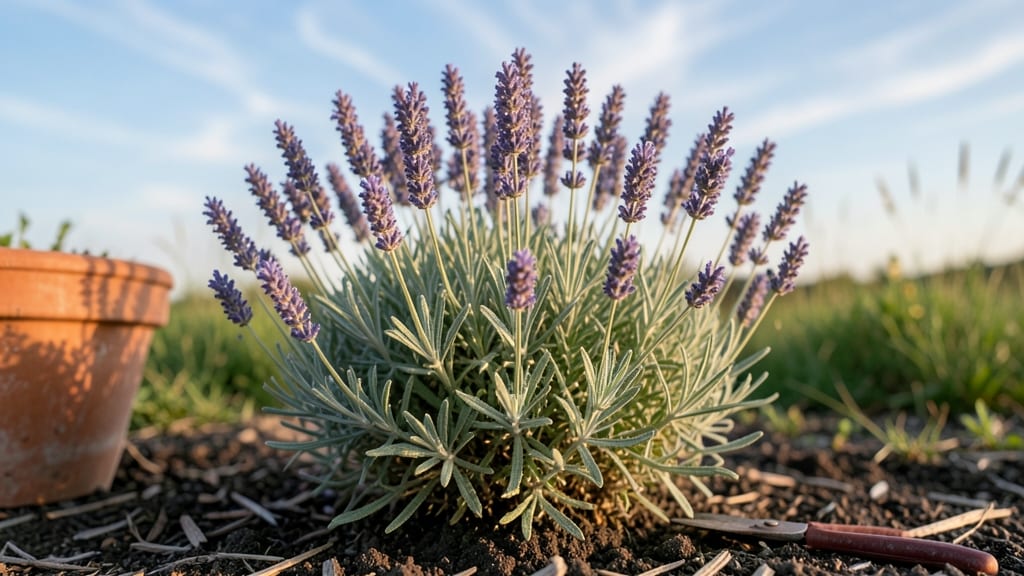
The best work plants—like marigolds, basil, and nasturtiums—create powerful companion pairings that deter pests, enrich soil, and accelerate growth for neighboring crops. These dynamic allies transform garden productivity while cutting down on chemical interventions.
These plants work their magic through natural chemistry. 🌿 Marigolds emit limonene, a compound that repels nematodes and aphids, while basil produces eugenol, which confuses whiteflies. The key is strategic placement—pairing basil with tomatoes, for example, can boost fruit yield by up to 30% while keeping pests at bay.
Even fast-growing options like nasturtiums act as trap crops, luring aphids away from your prized vegetables.
What makes these pairings especially valuable is their speed—most work plants mature quickly, delivering benefits within weeks rather than months. 💫 This means you can see tangible results in a single growing season, making them ideal for both novice and experienced gardeners.
Plus, their pest-control properties reduce the need for synthetic sprays, creating a healthier ecosystem.
💡 In This Article
- How Companion Work Plants Repel Pests Naturally
- Top 12 Fast-Growing Work Plant Pairings for Every Garden
How companion work plants repel pests naturally
Here's what's actually happening when these plants deter pests: they weaponize chemistry. Take marigolds, for example—these bright orange flowers produce limonene and α-terthienyl, compounds that repel nematodes and aphids while disrupting the life cycles of squash bugs.
The scent alone is enough to confuse insects, but the real magic happens underground where root exudates release these oils into the soil, creating a protective barrier around neighboring plants. 🔥
The science gets even more fascinating with allelopathic plants like comfrey. This hardy perennial releases rosmarinic acid through its leaves and roots, which suppresses weeds and deters pests by altering soil chemistry.
When comfrey's leaves decompose, they create a natural mulch that releases these compounds slowly over time, creating a 3-foot protection radius around companion plants. The effect is so potent that studies show comfrey can reduce weed growth by up to 70% in mixed plantings.
Then there are the nitrogen-fixers like clover, which work differently—they don't repel pests directly but create healthier soil that makes plants more resilient. Clover forms symbiotic relationships with rhizobia bacteria in its root nodules, converting atmospheric nitrogen into plant-available forms.
This boosts neighboring plants' growth by 20-30%, making them less attractive to pests that target stressed or nutrient-deficient plants. The dense foliage also provides physical barriers that deter crawling insects.
Don't overlook the scent-based attractions these plants create. Basil emits eugenol, which confuses whiteflies and attracts beneficial predators like ladybugs. The scent profile of nasturtiums, meanwhile, mimics the pheromones of aphids, luring them away from your vegetables in a clever trap-crop strategy.
What most people don't realize is that these scent emissions work best in full sun conditions, where volatile oil production peaks—this is why companion planting layouts should prioritize sunny borders.
Temperature plays a surprising role too. Many work plants like dill and fennel increase their pest-repelling effectiveness when soil temperatures exceed 65°F. This is why late spring plantings often show better results than early ones—the warmer conditions trigger higher production of protective compounds.
The same goes for beneficial predator attraction: ladybugs are most active when daytime temperatures hover between 70-85°F, which is why summer companion pairings often yield the best pest control results. 💫
Consider this practical application: when you plant garlic chives near roses, the sulfur compounds they release create a natural fungicide that prevents black spot disease. The chives' strong aroma masks the scent of roses, which some pests use to locate their hosts.
This dual-action approach—chemical deterrence plus scent masking—is why these pairings work so effectively in real-world gardens. The key is understanding which plants share similar pest vulnerabilities and which natural compounds can disrupt those vulnerabilities.