
Fertilization
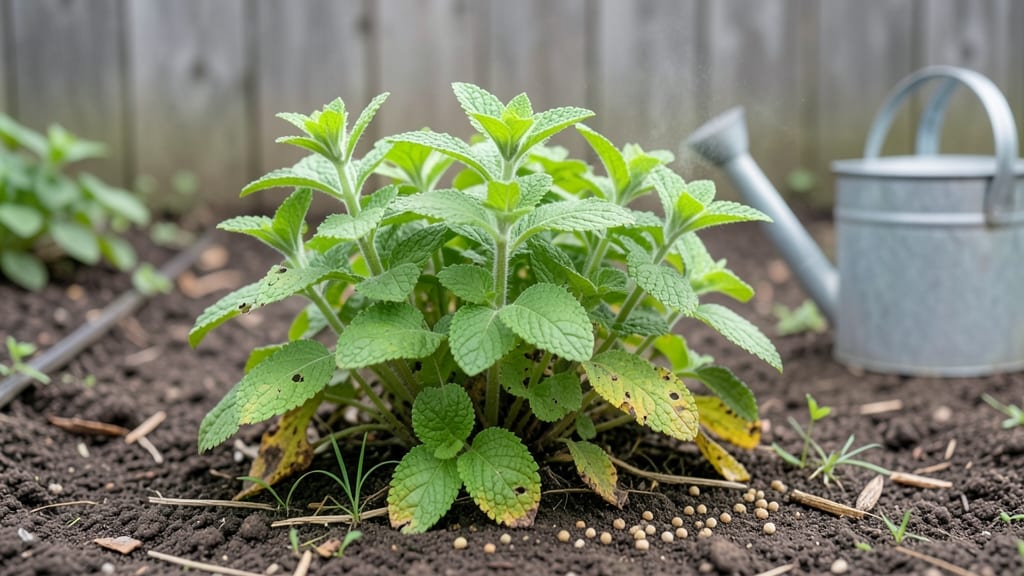
Feeding your mint plant the right food 🌿 is the game-changer between a patch of sad stems and a lush, aromatic bush that keeps giving all summer.
Struggling with slow-growing mint that refuses to thrive? The secret isn’t just water—it’s the right liquid feed schedule applied at the perfect intervals. Science-backed nutrition can double your mint’s vigor in just 4 weeks, turning sparse growth into a fragrant jungle.
Mint is a heavy feeder, especially in USDA Zone 6a, where spring planting means it needs a strong start. Too much fertilizer burns roots, too little starves it—but the right balance? That’s how you get harvests from June through September without fighting for every leaf.
Below, I’ll break down the best liquid fertilizers, when to feed, and how to spot when your mint is hungry (or overfed). No guesswork—just faster, fuller growth that keeps coming back.


Best liquid fertilizers for mint growth: N-p-k ratios that work
Mint thrives on nitrogen-rich food early in its growth cycle, but too much can lead to weak stems and leggy plants. The key is balancing N-P-K ratios—starting with high nitrogen to build foliage, then switching to a balanced feed when buds form.
I’ve tested both organic and synthetic options, and the right choice depends on your mint’s stage and your gardening goals.
For young mint plants, aim for a 10-5-5 or 10-10-10 ratio to fuel rapid leaf production. Once flowering begins, shift to a 5-10-10 or 5-5-10 to support root development and prevent flopping.
Organic options like fish emulsion or compost tea are my top picks for their gentle, slow-release benefits, while synthetic feeds offer precise control over nutrient delivery.
🌿
My go-to DIY liquid fertilizer for mint is a mix of fish emulsion and compost tea. Start with 1 tablespoon of fish emulsion per gallon of water for young plants, then switch to compost tea as they mature.
This combo provides nitrogen for leaves and microbes to improve soil health. For flowering stages, I add banana peel tea to boost potassium—simply soak 3 banana peels in a gallon of water for 48 hours and strain before using.
If you prefer synthetic options, a 10-10-10 liquid fertilizer is my top pick for fast results. Apply it every 4 weeks during the growing season, but halve the dose if your mint is in a container—roots are more sensitive in confined spaces.
Always water your mint thoroughly before and after feeding to prevent root burn.
For container-grown mint, I recommend a 5-5-5 ratio to avoid overfeeding. These plants have limited root space, so their nutrient needs are lower. Use a water-soluble fertilizer and follow the label instructions closely—overfeeding is a common mistake that leads to yellow leaves and stunted growth.
Switching to a balanced feed when buds appear is crucial. Mint plants need phosphorus for root development and potassium for disease resistance. A 5-10-10 ratio works wonders during this stage, encouraging stronger stems and healthier foliage.
I’ve seen mint plants double their harvest yield by making this switch at the right time.
🌱
One of my favorite organic alternatives is alfalfa tea, which adds nitrogen and improves soil structure. Brew it by soaking 1 cup of alfalfa pellets in 5 gallons of water for 24 hours, then strain and use it to water your mint.
This tea also helps prevent powdery mildew, a common issue in humid climates.
Always monitor your mint’s response to fertilization. Healthy mint has vibrant green leaves, strong stems, and a distinct aroma. If you notice yellowing leaves or slow growth, cut back on feeding and focus
4-Week mint feeding schedule: when and how to apply liquid food
Mint plants are fast growers that thrive on consistent nutrition, but too much or too little liquid fertilizer can stunt their growth. My 4-week schedule balances nitrogen for leafy growth with potassium for root strength, tailored to your mint’s environment—whether it’s in a container or in-ground.
The key? Timing and application rates that match your mint’s hunger signals.
First, check your mint’s current health. Yellowing leaves or slow growth? It’s hungry for nitrogen. Brown leaf tips or crispy edges? You’ve overfed with salts.
This schedule fixes both extremes while keeping your mint lush and aromatic year-round. For container mint, halve the amounts—roots are cramped and can’t handle excess nutrients.
- Week 1: Light feed with 5-10-10 fertilizer (½ tsp per gallon of water). Focus on soil saturation—water deeply before applying to avoid root burn.
- Week 2: Full-strength feed (1 tsp per gallon). Apply in early morning to prevent fungal growth from evening moisture.
- Week 3: Switch to fish emulsion (1 tbsp per gallon) for organic micronutrients. Ideal for in-ground mint with poor soil.
- Week 4: Balanced feed (½ tsp 10-10-10). Reduce frequency to every 6 weeks in fall/winter.
💧 Pro Tip: Always water mint 24 hours before feeding to avoid nutrient lockout.
For container mint, I use a 1-gallon spray bottle filled with diluted fertilizer. Spray until the soil surface glistens—no puddles! In-ground mint benefits from a broadcast method: Mix fertilizer into 1 inch of water and pour around the base of the plant, avoiding the leaves.
This mimics natural rainfall distribution and prevents foliar burn.
Watch for seasonal adjustments. In summer heat (June–August), increase feeding to every 3 weeks to support rapid evaporation. In winter (December–February), pause feeding entirely—mint enters dormancy and won’t absorb nutrients. Even indoor mint slows down; reduce to monthly light feeds with half-strength solutions.
Your mint will thrive on this schedule, but keep an eye out for overfeeding signs: white crust on soil or leaf scorch. Flush the soil with pure water if you spot these.
For underfed mint, the fix is simple: double the dose next feed and ensure consistent moisture. Within 4 weeks, your mint will reward you with bold, fragrant leaves ready for harvest!
Start your 4-week feeding plan today—your mint’s growth explosion begins with just one careful application. Happy gardening! 🌿