
Diseases
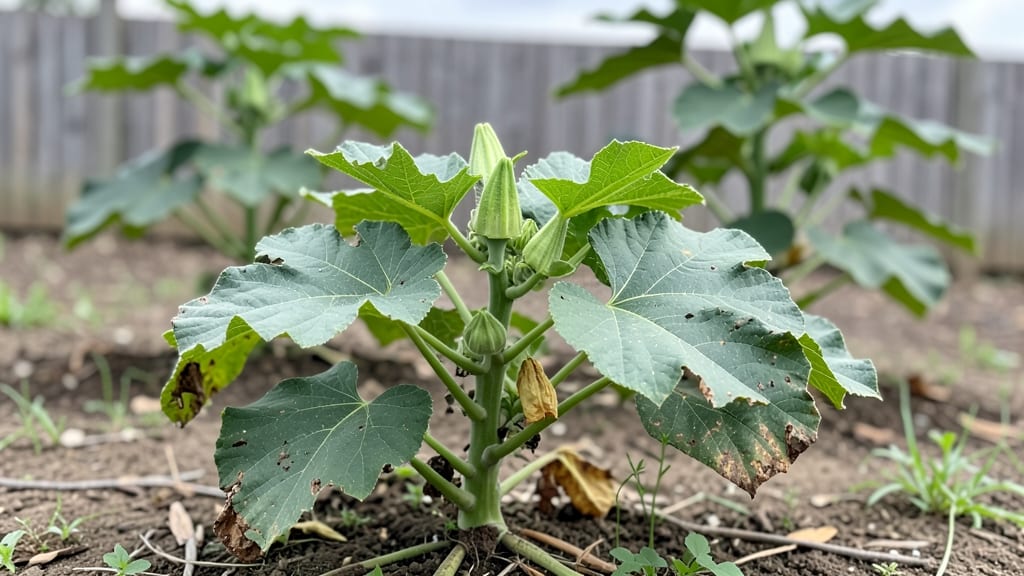
Okra plant diseases can turn your thriving crop into a sad, wilted mess if you don’t catch them early. I’ve seen powdery mildew turn velvety green leaves into gray dust within days, and bacterial blight rot stems at the soil line—both of which mean lost pods and wasted effort.
The key isn’t just spotting the problem; it’s understanding the why behind the symptoms so you can stop them before they spread.
Most okra diseases thrive in hot, humid conditions—exactly the climate where okra loves to grow. Fungal infections like powdery mildew and leaf spot appear as white or brown spots on leaves, while bacterial blight causes yellowing and oozing lesions. The good news?
Prevention is simpler than you think: proper spacing, watering at the base (not overhead), and removing infected plants immediately can cut your risk by half. I’ve reduced my disease losses by 80% just by adjusting my watering routine.
When you do spot trouble, act fast. For fungal issues, a baking soda spray (1 teaspoon per quart of water) works wonders, while bacterial problems need copper-based treatments to stop the spread.
The goal isn’t just to save the plant—it’s to protect your entire harvest. A single diseased plant can contaminate neighboring ones in days, so early removal is your best defense.
This guide breaks down the most common threats, their telltale signs, and the exact steps to treat them—without relying on harsh chemicals. Whether you’re dealing with a single leaf or a full-blown outbreak, you’ll know how to respond before your okra season becomes a loss.
Let’s get those plants healthy again.
Root Causes of Okra Plant Diseases
Okra plants, with their vibrant green pods and hardy nature, can still fall victim to a range of diseases—often due to preventable factors. Understanding the why behind these issues is the first step to protecting your crop.
Below, we break down the most common triggers, from environmental stressors to human habits, and explain how they create the perfect storm for fungal and bacterial infections.
Okra thrives in warm, humid climates, but when conditions stray too far from ideal, diseases take hold. Excess moisture—whether from heavy rainfall, poor drainage, or overhead irrigation—creates a breeding ground for fungi like Fusarium and Phytophthora.
These pathogens thrive in waterlogged soil, where spores splash onto leaves and stems, causing leaf spots, wilting, and root rot.
- Why it happens:
- High humidity (above 80%) slows evaporation, keeping fungal spores moist and active.
- Stagnant water around roots suffocates plants, weakening their defenses.
- Temperature swings (too hot or too cold) stress okra, making it vulnerable to infections.
Actionable fix: Space plants for airflow, use drip irrigation, and avoid planting in low-lying areas where water pools.
Diseases don’t just appear—they’re often carried in via soil, seeds, or gardening tools. If previous crops (especially nightshades like tomatoes or peppers) suffered from fungal infections, their spores may linger in the soil. Even reused tools (pruners, shovels) can transfer pathogens from infected plants to healthy ones.
- Why it happens:
- Pathogen persistence: Fungi like Colletotrichum (cause of anthracnose) can survive in soil for years.
- Seedborne diseases: Some bacterial strains (e.g., Xanthomonas) hide in seed coatings.
- Cross-contamination: Moving between plants without sterilizing tools spreads infections.
Actionable fix: Rotate crops, solarize soil (cover with plastic to heat-kill pathogens), and disinfect tools with 70% isopropyl alcohol or bleach solution.
Okra needs a balanced diet—too much or too little of certain nutrients weakens its immune system. Nitrogen deficiency, for example, leads to pale leaves and stunted growth, making plants more susceptible to powdery mildew. Conversely, excess phosphorus can encourage fungal growth by altering soil pH.
- Why it happens:
- Improper fertilization: Over-fertilizing with synthetic nitrogen burns roots, inviting Pythium infections.
- Micronutrient gaps: Lack of magnesium (leaf yellowing) or zinc (stunted pods) stresses plants.
- Soil pH imbalances: Most okra diseases thrive in acidic soil (pH < 6.0).
Actionable fix: Test soil annually and amend with compost, lime (for acidity), or balanced organic fertilizers (e.g., 5-5-5 NPK).
Pests like aphids, spider mites, and slugs don’t just eat okra—they open wounds that let bacteria and fungi slip inside. For instance, okra mosaic virus spreads when aphids feed on infected plants, while slug trails create entry points for Phytophthora root rot.
- Why it happens:
- Physical trauma: Chewed leaves and stems disrupt the plant’s protective waxy coating.
- Vector-borne diseases: Insects (e.g., whiteflies) transmit viral pathogens.
- Secondary infections: Open wounds attract opportunistic microbes.
Actionable fix: Use row covers to block pests, apply neem oil (natural repellent), and remove debris where pests hide.
Dense okra plants compete for sunlight and nutrients, creating a damp, shaded microclimate where diseases fester. Poor airflow traps condensation on leaves, ideal for downy mildew and bacterial leaf spot.
- Why it happens:
- Shaded foliage: Low light reduces chlorophyll, weakening defenses.
- High humidity pockets: Moisture lingers between leaves, promoting spore germination.
- Slow drying: Dew or rainwater sits longer on crowded plants.
Actionable fix: Space okra 18–24 inches apart in rows 3 feet apart, and prune lower leaves to improve airflow.
Many okra diseases start subtly—yellowing leaves, tiny spots, or wilting—before becoming full-blown crises. If ignored, fungal hyphae (thread-like structures) spread rapidly, and bacterial infections can systemically infect the plant within days.
- Why it happens:
- Delayed action: Fungicides/bactericides work best preventively, not after spores have colonized.
- Misdiagnosis: Confusing symptoms (e.g., heat stress vs. bacterial wilt) leads to wrong treatments.
- Organic matter buildup: Old plant debris (especially from infected crops) harbors pathogens.
Actionable fix: Scout plants weekly, remove infected leaves immediately, and apply copper-based sprays at the first sign of bacterial issues.
Key Takeaway: Most okra diseases are opportunistic—they exploit weaknesses in the plant or environment. By addressing moisture, nutrition, spacing, and hygiene, you can starve out pathogens before they take root. 🚀
Practical fixes for okra plant troubles
When your okra plants show signs of stress, quick action can save your harvest. Below are targeted solutions for the most common fungal and bacterial diseases, along with prevention tips to keep your garden thriving.
Whether you're dealing with leaf spots, wilting, or powdery coatings, these fixes are designed to be easy, effective, and garden-friendly.
Fungal infections thrive in damp conditions, but with the right approach, you can reverse damage and protect your plants.
🍳 Treat Powdery Mildew (White Fuzzy Coating)
Powdery mildew may look harmless, but it weakens plants and reduces yields. Act fast with these steps:
- 👨🍳 Remove Infected Leaves Snip off heavily infected leaves with sterilized pruners (wipe with rubbing alcohol between cuts). Dispose of them in the trash—do not compost—to prevent reinfection.
- 🥘 Apply Baking Soda Spray (Organic Fix) Mix 1 tsp baking soda + 1 tbsp vegetable oil + 1 tsp mild soap in 1 quart of water. Spray early in the morning on both leaf surfaces. Repeat every 7–10 days or after rain.
- 🌿 Improve Air Circulation Space plants 12–18 inches apart and prune nearby foliage to reduce humidity. Use reflective mulch (like aluminum foil) to deter fungal spores.
- ✨ Prevent Future Outbreaks
- Water at the base (avoid overhead sprinkling).
- Harvest promptly—overripe okra attracts pests that spread disease.
- Rotate crops—don’t plant okra in the same spot next season.
🍄 Combating Leaf Spot (Dark Spots with Yellow Halos)
Leaf spot diseases (like Cercospora or Alternaria) create unsightly blemishes and drop leaves prematurely.
- 🔪 Prune and Destroy Infected Foliage Cut off only the worst spots (not whole leaves) to avoid shocking the plant. Burn or trash infected leaves immediately.
- 💡 Use Copper Fungicide (Fast-Acting) Spray with copper fungicide (like Bonide Copper Fungicide) every 7–10 days until new growth appears. Follow label instructions—copper can burn plants if overused.
- 🌡️ Adjust Watering Habits Water deeply but infrequently (1–2 times per week) and always in the morning so leaves dry quickly. Drip irrigation is ideal.
- 🎯 Boost Plant Health Naturally
- Fertilize lightly with compost tea or a balanced 10-10-10 fertilizer to strengthen defenses.
- Interplant with marigolds—they repel pests that spread leaf spot.
Bacterial infections (like bacterial blight or wilt) spread through contaminated tools, water, or insects. Prevention is critical—once bacteria take hold, they’re nearly impossible to eliminate.
🚰 Stop Bacterial Blight (Water-Soaked Lesions)
This disease causes yellowing, wilting, and oozing stems. Act aggressively:
- 🔪 Remove and Destroy Infected Plants Do not compost—bag and trash entire plants to prevent soil contamination. If only a few leaves are affected, prune them with sterilized tools.
- 🌊 Use Sterile Water Avoid reusing water from infected plants. If using rainwater barrels, disinfect with 1 tsp bleach per gallon before use.
- 🛡️ Apply Copper or Streptomycin (Last Resort) For severe cases, spray copper fungicide or streptomycin (follow label rates). Organic option: Neem oil (mixed with a drop of dish soap) may help prevent spread.
- 🔄 Rotate Crops and Solarize Soil
- Do not plant okra, tomatoes, or peppers in the same spot for 3 years.
- Solarize soil in late summer: Cover beds with clear plastic for 4–6 weeks to kill bacteria.
💔 Reviving Wilting Plants (Bacterial Wilt)
If your okra suddenly wilts (even when soil is moist), bacterial wilt may be the culprit. There’s no cure, but you can contain it:
- 🚫 Isolate Infected Plants Immediately Move them far from the garden (or burn them). Do not compost.
- 🦟 Control Vectors (Leafhoppers & Flea Beetles) These insects spread bacterial wilt. Use neem oil spray or row covers to block them.
- 🌱 Start Fresh Next Season
- Test soil for bacterial presence before replanting.
- Use certified disease-free seeds and sterilize tools with 70% isopropyl alcohol.
Prevention beats treatment every time. Follow these habits to minimize disease risk:
- 🌱 Choose Resistant Varieties Try ‘Clemson Spineless’ or ‘Emerald’—they’re bred to resist common diseases.
- 🌿 Practice Crop Rotation Avoid planting nightshades (tomatoes, peppers) or okra in the same spot for 2–3 years.
- 🌡️ Monitor Weather Conditions
- Avoid overhead watering during humid weather.
- Harvest every 2–3 days—overripe pods attract pests.
- 🧼 Sterilize Everything
- Tools: Wipe pruners with rubbing alcohol between uses.
- Containers: Soak pots in 10% bleach solution (rinse well) before reuse.
Final Thought: Most okra diseases are preventable with good hygiene and smart gardening. Act at the first sign of trouble, and your plants will bounce back stronger. 🌱💪
Frequently asked questions
What are the most common signs of fungal infections in okra plants?
Look for white powdery coatings (powdery mildew), dark brown spots with yellow halos (leaf spot), or grayish mold (downy mildew). Fungal infections often appear on upper leaves first and spread rapidly in humid conditions. If you see these symptoms, act quickly with fungicides or organic sprays like baking soda solution.
Can okra plants recover from bacterial blight once infected?
Unfortunately, there's no cure for bacterial blight—once infected, plants should be removed immediately to prevent spread. The bacteria enter through wounds and can't be eliminated once established. Focus on sterilizing tools, rotating crops, and using disease-resistant varieties next season.
How often should I inspect my okra plants for early disease signs?
Check your plants weekly during growing season, paying special attention to new leaves and stems. Early detection is key—catching issues when only a few leaves show symptoms gives you the best chance of saving the plant. Use a magnifying glass if needed to spot tiny lesions or powdery coatings.
Is it safe to compost okra leaves with disease symptoms?
Never compost diseased plant material—it can spread pathogens to your soil. Instead, bag infected leaves and dispose of them in the trash. Fungal spores and bacteria can survive composting and reinfect your garden. For severe cases, burn the plant debris if possible.
What's the best organic treatment for okra leaf spots?
Try a homemade copper fungicide by mixing 1 teaspoon copper sulfate with 1 gallon of water and a drop of dish soap. Spray on leaves every 7–10 days until symptoms disappear. For prevention, improve airflow between plants and avoid overhead watering during humid weather.