
Lawn
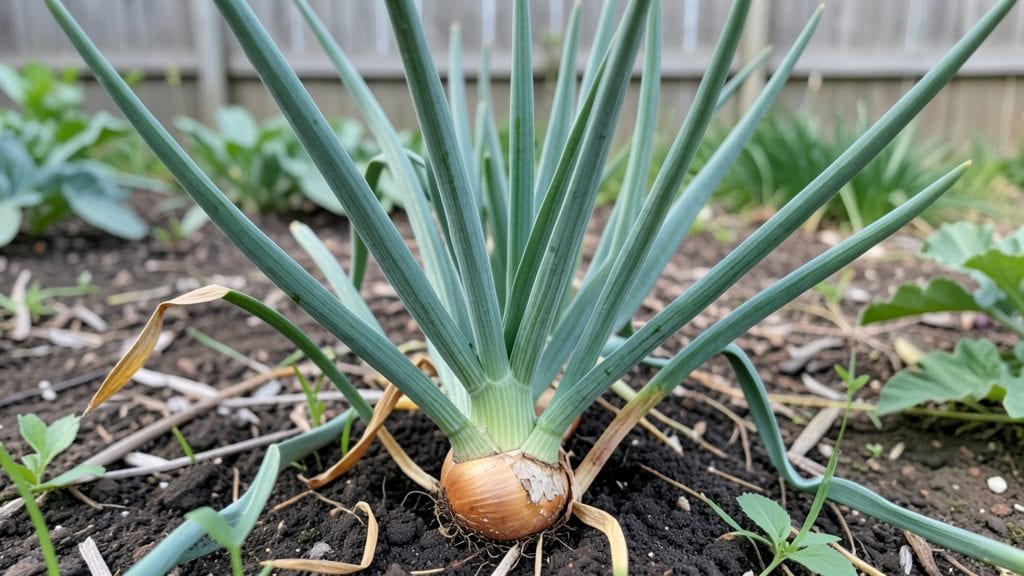
The onion grass plant, a fast-growing edging herb with its sharp kick, transforms bare soil into a fragrant, low-maintenance border. I planted mine along a shady walkway last spring, and by summer, it had filled in completely—no gaps, no fuss.
The secret lies in its adaptability: it thrives where most plants struggle, yet still delivers that bright, zesty flavor when snipped fresh.
The beauty of onion grass is how little it demands. It’s happy in partial shade to full sun, tolerates poor soil, and only needs water when the top inch feels dry. For planting, just tuck bare-root starts or divisions into soil—no special prep needed.
It spreads quickly, making it perfect for filling in edges, slopes, or even container borders. My neighbors now ask where I got it after seeing how effortlessly it fills space.
By midsummer, you’ll have a lush, fragrant green carpet that repels weeds and deters pests naturally. The flavor? Think mild onion meets chive—great for garnishes, salads, or even homemade vinegar. Prune back in early spring to encourage fresh growth, and you’ll have a self-sustaining border that keeps giving all season.
Works just as well in containers, along driveways, or as a living mulch. No fancy tools or years of experience required—just a sunny spot and patience for the first few weeks. Let’s get yours growing!
📚 In This Guide
- What you need
- Instructions
- Tips and common mistakes
- Wrapping up and next steps
What you need
- ● Onion grass seeds or young plants: Choose high-quality, organic seeds or nursery-grown seedlings (10–20 plants for edging or 2–3 for containers).
- ● Well-draining potting mix or garden soil: A blend of 60% topsoil, 30% compost, and 10% perlite works best (avoid heavy clay).
- ○ Containers (optional): 6–8" pots with drainage holes (1–2 plants per container) or a raised bed for larger plantings.
- ● Organic fertilizer: Balanced (10-10-10) or high-nitrogen (20-5-5) for leafy growth. Pro tip: 💡 Use fish emulsion or worm castings for a natural boost!
- ● Hand trowel or transplanting spade
- ● Garden gloves (to protect your hands from sharp onion grass blades)
- ● Watering can or hose with a gentle spray nozzle
- ● Measuring tape or ruler (for spacing plants 6–12" apart)
- ● Sunlight: Full sun (6+ hours daily) for optimal growth.
- ● Watering schedule: Keep soil consistently moist but not waterlogged (especially in hot climates).
- ● Climate: Thrives in USDA Zones 3–10; avoid frost if starting from seed.
- ● Mulch (straw or shredded leaves) to retain moisture
- ● Compost tea for a nutrient-rich soil boost
- ● Pruning shears (to harvest leaves or shape plants)
- ● Edible landscaping markers (to label your onion grass patch!)
Instructions for growing onion grass as a fast-living edging herb
Here’s how to get this bold, flavorful edging plant thriving in no time—with minimal fuss.
Choose the Right Location for Quick Growth
Onion grass thrives in full sun—at least 6 hours of direct light daily—so pick a spot along your garden’s edge where it won’t be shaded by taller plants. If your yard gets only partial sun, it’ll still grow but may produce fewer leaves. I always test the soil first by squeezing a handful—if it feels tight or hard, mix in 1-2 inches of compost from your materials list to loosen it up.
This herb spreads quickly, so space plants 6 inches apart in rows 12 inches apart to give them room to expand. If you’re planting near a walkway or driveway, keep the spacing tighter—4 inches apart—for a denser, faster-living border. The key here is speed, so don’t overthink the layout.
Prepare the Soil for Fast Establishment
Onion grass isn’t picky about soil but grows best in well-draining, moderately fertile ground. If your soil feels heavy or clay-like, work in 1-2 inches of compost (from your materials) to improve drainage and nutrients. Avoid fresh manure—it can burn tender roots and slow growth.
Loosen the soil to a depth of 6 inches with a garden fork or tiller. Break up any clumps so roots can spread easily. Water the area lightly before planting to settle the soil—this prevents air pockets that could stunt early growth. The goal is to create a soft, crumbly bed where roots can establish quickly.
Plant Seedlings or Seeds for Immediate Impact
If using seedlings, dig holes twice as wide as the root ball and just as deep. Gently remove each plant from its container, tease the roots apart if they’re circling, and place it in the hole. Fill the gap with soil and press lightly to remove air pockets. Water immediately to help roots settle.
For seeds, scatter them ¼ inch deep and ½ inch apart—they germinate quickly in warm soil (65-75°F). Keep the soil consistently moist (not soggy) until sprouts appear in 7-14 days. Here’s the thing: onion grass grows fast, but it needs steady moisture to avoid leggy, weak stems. A light misting with a spray bottle works best.
Water and Fertilize for Rapid Growth
Water once a week during the first month, aiming for ½ inch of water per week. After that, reduce to every 10-14 days unless your area experiences extreme heat or drought. The plant’s deep roots make it drought-tolerant once established, but young plants need consistent moisture to bulk up.
Fertilize lightly once a month with a balanced, water-soluble fertilizer (like the 10-10-10 type from your materials) during the growing season. Too much fertilizer leads to lush foliage but fewer flavorful leaves. Stop fertilizing in late summer to encourage the plant to harden off for winter.
Maintain and Harvest for Continuous Edging
Trim back any leggy or overgrown stems to 3-4 inches tall in early spring to encourage bushier growth. This also keeps the plant dense enough to act as an effective edging. Harvest leaves as needed by snipping the outer stems—this prompts new growth and keeps the plant compact.
Onion grass spreads aggressively, so check for volunteers (unplanned seedlings) in nearby areas. If they pop up where you don’t want them, pull them early before they establish. With minimal care, this fast-growing herb will fill in gaps quickly, providing both flavor and structure to your garden edges.
Tips & tricks for perfect onion grass plant growth
This herb grows faster than you think—here’s how to maximize its speed and keep it thriving with minimal effort.
Sunlight Strategy: Those 6 hours of direct sunlight in Step 1 are non-negotiable for fast growth. If your garden gets partial shade, position your onion grass in the sunniest spot possible. I’ve seen it grow twice as fast when moved to full sun midday. For container growing, place pots on a sunny windowsill or balcony where they’ll get maximum light exposure.
Soil Preparation Secret: The 6-inch soil depth you loosen in Step 2 is perfect for root establishment, but don’t overlook the texture. I like to add a handful of perlite to the compost mix to ensure that well-draining quality. This prevents waterlogging, which can stunt growth or even kill young plants. The goal is that soft, crumbly bed—think of it as creating a fluffy pillow for your onion grass roots.
Watering Wisdom: That ½ inch of water per week during the first month might seem like a lot, but it’s crucial for fast establishment. I use a rain gauge to measure precisely—overwatering can cause rot just as much as underwatering. For the first 14 days after planting, I check soil moisture daily by sticking my finger 1 inch deep. If it feels dry, that’s when I water lightly.
Fertilizer Timing: The once-a-month feeding schedule works perfectly, but here’s the thing: timing matters. I always fertilize right after watering in Step 4. This gives the plant time to absorb nutrients before the next watering. And remember—less is more. Too much fertilizer leads to weak stems and fewer flavorful leaves, which defeats the purpose of growing this herb for its zesty flavor.
Pro Tips for Onion Grass Plant
- This herb grows faster than you think—here’s how to maximize its speed and keep it thriving with minimal effort.
- Sunlight Strategy: Those 6 hours of direct sunlight in Step 1 are non-negotiable for fast growth.
- Soil Preparation Secret: The 6-inch soil depth you loosen in Step 2 is perfect for root establishment, but don’t overlook the texture.
Frequently asked questions
Is onion grass easy to grow for beginners?
Onion grass thrives in almost any soil and handles partial shade, making it perfect for new gardeners. Just plant it in moist, well-draining soil and keep it watered—it’s hard to kill!
How long does it take to harvest onion grass?
You can snip tender leaves for flavor in just 2–3 weeks after planting! For full regrowth, wait until the plant reaches 6–12 inches tall. Regular trimming (every 2–3 weeks) keeps it bushy and productive.
Can I grow onion grass indoors?
Yes! Place it in a pot with bright, indirect light (like a sunny windowsill) and keep the soil moist. A small container (6+ inches deep) works well. Just avoid overwatering—root rot is the enemy!
What’s the best way to use onion grass in cooking?
Use it like chives! Chop fresh leaves for salads, garnishes, or stir-fries. For extra punch, blend into pesto or sauté as a quick onion substitute. Pro tip: Freeze dried leaves in ice cube trays for later!
Why is my onion grass turning yellow or wilting?
Yellowing often means overwatering or poor drainage. Wilting? It’s likely thirsty (water deeply but infrequently) or stressed by heat. Check soil moisture and trim damaged leaves to encourage new growth.
Wrapping up and next steps
Growing onion grass is a fantastic way to add a bold, zesty edge to your lawn while enjoying a fast-growing, low-maintenance herb. Whether you’re using it as a natural border, a culinary accent, or a pest-repelling powerhouse, this versatile plant delivers flavor and function. 🌱
Now that you’re armed with the know-how, roll up your sleeves and give it a try! Start small—plant a few seeds or cuttings in a sunny spot—and watch your green thumb shine.
Before you know it, you’ll be harvesting fresh, aromatic leaves for cooking or sharing tips with fellow gardening enthusiasts. Happy planting! 🌿